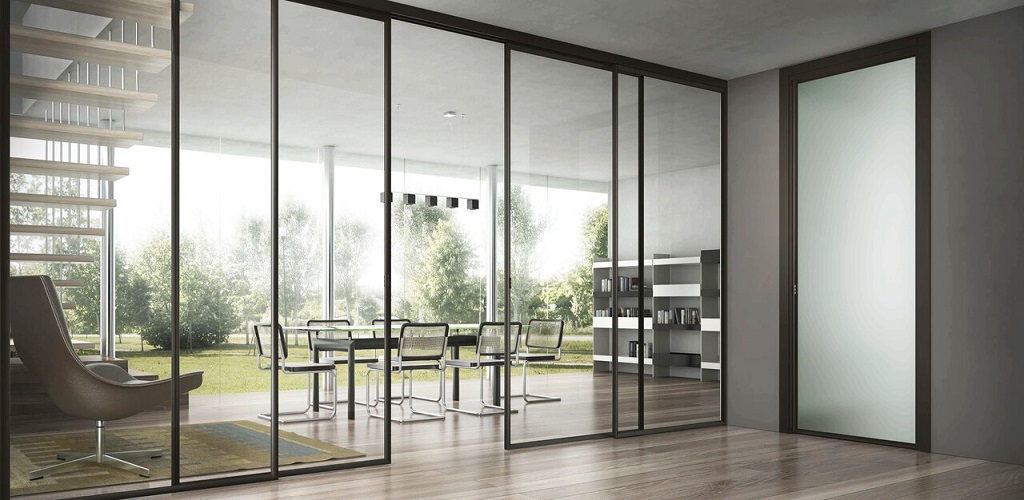

Radiant floor heating, a method of warming homes by embedding heating elements beneath the floor, has gained popularity for its comfort and efficiency. Unlike traditional forced-air systems, radiant floor heating delivers consistent warmth from the ground up, creating a cozy environment. This 2500-word article delves into the history, current applications, benefits, challenges, real-life experiences, and future trends of radiant floor heating, answering whether it’s a good option for homes. With detailed insights, reviews, and FAQs, this guide equips homeowners and builders with the knowledge to evaluate this heating solution.
History of Radiant Floor Heating

Ancient Origins
Radiant floor heating traces its roots to ancient civilizations, evolving from rudimentary systems to sophisticated modern designs.
Roman Hypocausts (200 BCE):
Used raised floors with channels for hot air from wood fires.
Primarily installed in bathhouses and wealthy homes.
Demonstrated early understanding of heat distribution.
Korean Ondol (1000 BCE):
Integrated stone flues under floors to circulate heat from kitchen fires.
Still influences modern Korean home designs.
Emphasized energy efficiency and localized heating.
Modern Development
The 20th century brought technological advancements, making radiant floor heating accessible to mainstream households.
Early 1900s:
Introduction of electric and hydronic (water-based) systems.
Limited adoption due to high costs and unreliable materials.
Post-World War II:
Improved piping materials like copper and PEX (cross-linked polyethylene).
Increased use in Europe, particularly in Germany and Scandinavia.
21st Century:
Integration with smart thermostats and renewable energy sources.
Widespread adoption in energy-conscious regions like North America and Europe.
Types of Radiant Floor Heating Systems
Radiant floor heating systems fall into two primary categories: hydronic and electric. Each has distinct applications and considerations.
Hydronic Radiant Floor Heating
Hydronic systems circulate heated water through tubes beneath the floor, offering efficiency for larger spaces.
Components:
Boiler or water heater to heat the water.
PEX tubing embedded in concrete or subfloor.
Pumps and manifolds to control water flow.
Applications:
Ideal for whole-house heating.
Common in new constructions or major renovations.
Efficiency:
Lower operating costs compared to electric systems.
Compatible with solar water heaters or geothermal systems.
Electric Radiant Floor Heating
Electric systems use cables or mats to generate heat, suited for smaller areas or supplemental heating.
Components:
Electric heating cables or pre-woven mats.
Thermostats for precise temperature control.
Insulation layers to minimize heat loss.
Applications:
Best for bathrooms, kitchens, or single rooms.
Easier to install in retrofits or small spaces.
Efficiency:
Higher operating costs in large areas.
Quick response time for on-demand heating.
Comparison Table: Hydronic vs. Electric Radiant Floor Heating
|
Feature |
Hydronic Systems |
Electric Systems |
|---|---|---|
|
Initial Cost |
High (boiler, tubing, installation) |
Moderate (cables, mats, simpler setup) |
|
Operating Cost |
Low (efficient for large areas) |
Higher (electricity rates vary) |
|
Installation |
Complex (best for new builds) |
Simpler (ideal for retrofits) |
|
Response Time |
Slower (water takes time to heat) |
Fast (immediate heat generation) |
|
Best Use Case |
Whole-house heating |
Small rooms or supplemental heating |
Benefits of Radiant Floor Heating
Radiant floor heating offers numerous advantages, making it an attractive option for homeowners seeking comfort and efficiency.
Comfort and Even Heat Distribution
Uniform Heating:
Eliminates cold spots common in forced-air systems.
Heat rises naturally from the floor, warming feet first.
No Air Drafts:
Avoids the discomfort of blowing air or noisy fans.
Maintains consistent room temperatures.
Energy Efficiency
Lower Operating Temperatures:
Operates at 75–85°F compared to 120–140°F for radiators.
Reduces energy consumption by up to 30% in well-insulated homes.
Zoning Capabilities:
Allows room-by-room temperature control.
Reduces energy waste in unused areas.
Renewable Energy Integration:
Hydronic systems pair well with solar or geothermal sources.
Electric systems can use off-peak electricity rates.
Health and Aesthetics
Improved Air Quality:
No ducts to circulate dust, allergens, or mold.
Ideal for allergy sufferers or asthma patients.
Design Flexibility:
Invisible system frees up wall and floor space.
Compatible with various flooring types (tile, wood, vinyl).
Challenges of Radiant Floor Heating
Despite its benefits, radiant floor heating has limitations that homeowners must consider.
High Installation Costs
Hydronic Systems:
Costs range from $6–$20 per square foot, including boiler and tubing.
New constructions may require extensive subfloor modifications.
Electric Systems:
Costs range from $8–$15 per square foot for materials and labor.
Retrofitting existing homes increases expenses due to floor removal.
Installation Complexity
Time-Intensive:
Hydronic systems require 1–2 weeks for large homes.
Electric systems may take 1–3 days for small areas.
Floor Height Increase:
Adds 0.5–2 inches to floor height, affecting door clearances.
Requires careful planning in renovations.
Maintenance and Repairs
Hydronic Systems:
Leaks in tubing are rare but costly to repair (may require floor removal).
Boilers need annual maintenance to ensure efficiency.
Electric Systems:
Cable failures are uncommon but difficult to pinpoint.
Repairs often involve replacing entire sections.
Flooring Compatibility
Thermal Conductivity:
Tile and stone are ideal due to high conductivity.
Thick carpets or hardwood may reduce efficiency.
Temperature Limits:
Some flooring materials (e.g., certain hardwoods) warp above 85°F.
Requires careful selection and installation.
Real-Life Experiences
To provide a grounded perspective, here are insights from homeowners who have installed radiant floor heating.
Case Study 1: The Thompson Family (New Construction, Hydronic System)

Location: Colorado, USA
Home Size: 2,500 sq. ft.
Experience:
Installed hydronic system during construction for $25,000.
Paired with a high-efficiency gas boiler and smart thermostats.
Reports 20% lower heating bills compared to previous forced-air home.
Loves the “barefoot comfort” in winter, especially in tiled areas.
Challenges:
Initial cost was a significant investment.
Required careful coordination with flooring contractors.
Case Study 2: Sarah Nguyen (Retrofit, Electric System)
Location: Ontario, Canada
Area: 200 sq. ft. bathroom and kitchen
Experience:
Installed electric mats for $2,500 during a renovation.
Appreciates instant warmth in the morning.
Uses programmable thermostats to heat only when needed.
Challenges:
Installation raised floor height, requiring door adjustments.
Operating costs slightly higher than expected during peak winter.
Product Reviews
Here’s a review of two popular radiant floor heating products based on performance, ease of installation, and user feedback.
Warmly Yours TempZone Electric Mats
Rating: 4.5/5
Features:
Pre-woven mesh mats for easy installation.
Compatible with most flooring types.
Includes smart thermostat with Wi-Fi control.
Pros:
Quick setup (1–2 days for small rooms).
Reliable performance with 25-year warranty.
Energy-efficient for small spaces.
Cons:
Higher cost per square foot ($12–$15).
Not ideal for large-scale heating.
Uponor Wirsbo Hydronic System
Rating: 4.7/5
Features:
PEX tubing with oxygen barrier for durability.
Modular manifolds for precise zoning.
Compatible with multiple heat sources.
Pros:
Highly efficient for whole-house heating.
Long lifespan (50+ years with proper maintenance).
Seamless integration with renewable energy.
Cons:
Complex installation requires professional expertise.
High upfront cost ($10,000–$30,000 for average homes).
Future Trends in Radiant Floor Heating
The radiant floor heating industry is evolving, driven by technological advancements and sustainability goals.
Smart Technology Integration
Advanced Thermostats:
Wi-Fi-enabled controls for remote temperature adjustments.
Machine learning to optimize heating schedules based on occupancy.
Home Automation:
Integration with systems like Amazon Alexa or Google Home.
Real-time energy usage monitoring via mobile apps.
Sustainable Innovations
Low-Temperature Systems:
Designed for ultra-low water temperatures (60–70°F).
Enhances compatibility with heat pumps and solar panels.
Recycled Materials:
Use of eco-friendly PEX tubing and insulation.
Reduces environmental impact during manufacturing.
Hybrid Systems
Combination Heating:
Pairing radiant floors with air-source heat pumps.
Balances efficiency and rapid response for extreme climates.
Cooling Capabilities:
Hydronic systems adapted for radiant cooling in summer.
Circulates chilled water to absorb heat, reducing AC reliance.
Read More Also: How to Use an Extension Ladder? 7 Tips for Installing
FAQs
Is radiant floor heating worth the investment?
Yes, for homeowners prioritizing comfort and efficiency, especially in cold climates. It offers long-term savings but requires significant upfront costs.
Can radiant floor heating be installed in older homes?
Yes, electric systems are easier for retrofits, while hydronic systems are better for major renovations. Floor height and insulation are key considerations.
What flooring works best with radiant floor heating?
Tile, stone, and concrete are ideal due to high thermal conductivity. Hardwood and vinyl work but require careful temperature management.
How long does radiant floor heating last?
Hydronic systems last 30–50 years with proper maintenance. Electric systems typically last 20–25 years.
Can radiant floor heating cool a home?
Some hydronic systems can circulate chilled water for cooling, though this is less common and requires specialized design.
Read More Also: Outdoor lamp posts for garden: Where to place them?
Conclusion
Radiant floor heating is a compelling option for homeowners seeking comfort, efficiency, and modern aesthetics. Its ability to deliver even heat, reduce energy costs, and improve air quality makes it a standout choice, particularly for new constructions or targeted retrofits. However, high installation costs, complex setup, and flooring compatibility issues require careful planning. Real-life experiences highlight its transformative impact, while future trends point to smarter, greener systems. By weighing the benefits against the challenges, homeowners can determine if radiant floor heating aligns with their needs and budget.