Why Your Air Con Is Leaking Water

The water leak from your air conditioning system can look like a serious problem but is a common service problem. The reason for the leak is usually very obvious to an engineer, but can take some finding. This article aims to explain why air conditioning systems leak and what checks you can perform before phoning for assistance.

How the drain system works

Air conditioning systems draw in warm, moist air which is then cooled by a cold evaporator coil. As the air is cooled by the coil, the moisture in the air will condense to form water droplets on the surface of the coil. These droplets will then run off the coil and fall into a drip tray underneath the unit. Water then flows from the tray down a small drain pipe made from plastic which may exit the house through a waste pipe or directly out of the wall. As with any pipe, if it becomes blocked, cracks or is left to sit at the wrong angle then water may leak where you don’t want it.

A blocked drain pipe

Many systems have small drain pipes (typically around 13-19mm in diameter) which can be prone to blockages by algae, dust, grime and other substances. These can build up over time and prevent water from draining away. If the pipe is blocked then water will overflow from the collection tray and drip from the unit. Check the end of the outdoor section of the drain pipe for blockages, such as slime etc. or where it connects to a waste pipe for blockages. Clearing blockages can be as simple as using a wet-dry vacuum to remove grime etc. or flushing the pipe gently with water. Be careful not to kink the pipe or to have it situated in trunking that cannot be accessed.

A dirty air filter

However, a decrease in airflow from the vents can indicate a dirty air filter, before any signs of water leakage occur. Air filters collect dust and other contaminants before they can enter the evaporator coil. However, when the air filter becomes clogged with dust and other debris the airflow through the vents can decrease dramatically. As a result the coil can become too cold and start to produce ice rather than normal condensation. When the ice finally does melt it can produce a large amount of water which the normal drain system for the unit was not designed to handle. Check your filters for dust blockage and wash or change as required. It may take a few days for the airflow to return to normal.

Low refrigerant levels

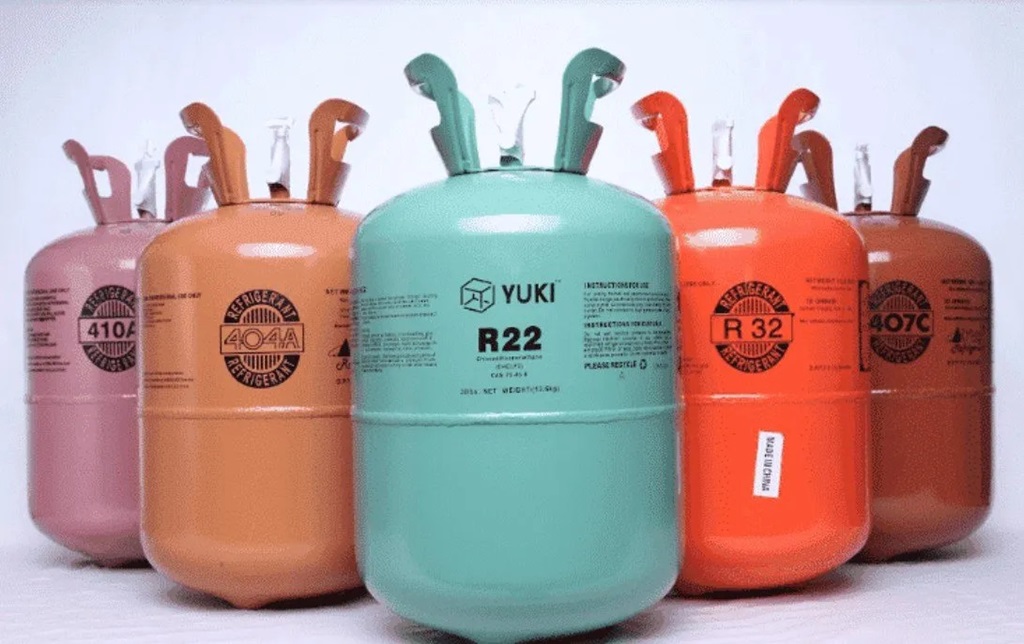
The same icing and overflow problem as a blocked filter occurs when a leaking refrigerant leads to a coil running too cold for the airflow passing over it. It is not a job for DIY top-up of refrigerant as it is a tightly controlled substance under the F-Gas regulations for refrigerants. This means that handling of refrigerant is strictly controlled and those who can legally work with it are clearly defined under the F-Gas regulations for refrigerants.
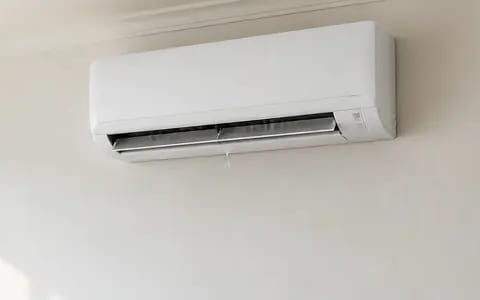
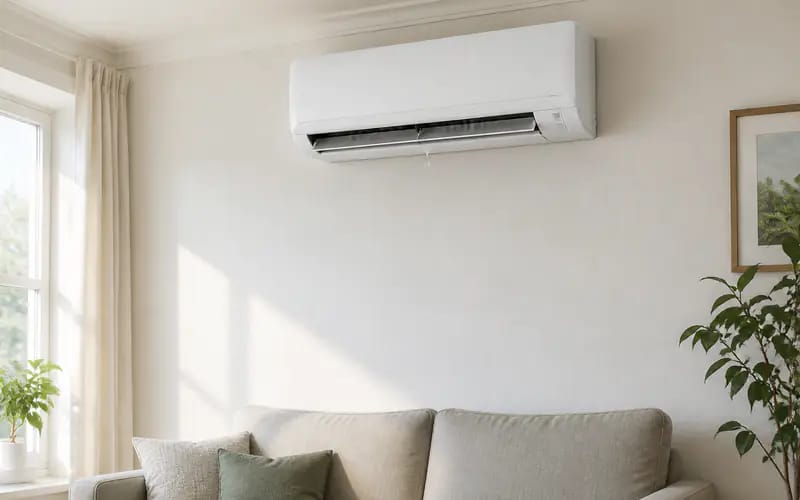
Wall-mounted indoor air conditioning unit with its front vent open, where water can collect and drip

This problem can also be caused by low refrigerant in the air conditioning system. In most cases however, low refrigerant will have other symptoms and there will be a greater cause for concern than a simple leak of water. Again, this is something that would need to be checked by a qualified engineer, and Ace Comfort Cooling are experts in this area.

A cracked or full drip tray

This is a simple and inexpensive part that can be changed. Normally, these are made of plastic and will eventually crack or become misshapen over time, sometimes even without you noticing a crack. The collection tray must be able to drain the water away from the indoor unit’s evaporator coil, so if it is over flowing then you will find water dripping from the unit, even though there may appear to be enough capacity. The drain outlet at the base of the tray can sometimes become clogged with items of debris such as hair, so check the base of the collection tray to ensure that it is not blocked.

A failed condensate pump

Most systems are designed to rely on gravity to drain but in some instances where the pipe cannot run down to the outside drainage due to height restrictions or distance of the internal drain, a condensate pump is fitted. This pump, usually the size of a small shoe box contains a motor and float switch and will, over time, wear and eventually fail. A pump failing will cease to operate and you will find no noise coming from the unit where the pump is located. Sometimes there may be a burning smell emanating from it too. The part can be easily replaced by an engineer but it does mean taking the covers off your unit and it’s best to get someone in who works on air conditioning Gloucester and is used to opening up units safely. The engineers at Ace Comfort Cooling are all registered with bodies such as the registered gas and heating engineers’ official safety register and would be more than happy to come and swap the part for you.

A unit that isn’t level

Your indoor air conditioning unit must be installed as nearly level as possible. If it is not it will need to be tilted forward slightly so that water can flow down to the outlet of the drain. After a long time a unit which has been installed perfectly level can develop a slight lean due to vibration. Such a unit will start to leak as water will collect in the corner of the drip tray closest to the floor. The unit can be re-levelled and secured down to its brackets.

Heavy humidity or heatwaves

Condensate production increases when the air conditioning unit is drawing more moisture from the air to cool. The increased amount of water from high humidity or long periods of hot weather can sometimes overwhelm a drainage system that is already operating near capacity. If the system is producing increased amounts of condensate during very hot humid weather and the leak only appears during these periods then it is likely that a simple clean of the filter and the drainage pipe will solve the problem.

Most leaks are caused by the one or two things listed above and can be sorted out in minutes by checking if a pipe or filter has become blocked. If after checking the obvious you are still getting water leaks it’s worth getting someone to have a proper look before any damage is done to the indoor coil and/or the electrical parts.

How Often to Service Your HVAC System

Most HVAC systems are forgotten until there is a problem. Servicing your HVAC system on a regular basis will help to ensure that your system is operating properly and could help to prevent costly repairs.

Book a Full Service Twice a Year

Following a simple schedule of maintenance for your HVAC system can prevent expensive repairs later down the line. By following the guidelines for a full service for your HVAC system twice a year, you will find that your HVAC system is running well.

Check Filters Every Month

Pull the filter out of the air cleaner and hold it up against the light. If it looks dirty or clogged, replace the filter. Most of the standard filters are supposed to be changed every 1 to 3 months, depending on the amount of dust in the air.

Companies like https://qualityairmechanical.com/hvac can pay more attention to older or busier HVAC Williamsport PA systems.

older systems and more active systems require maintenance every 6 months. The ENERGY STAR website for heating and cooling in the home lists the required frequency of check-ups for equipment that operates constantly.

Watch for These Warning Signs

Keep an eye out for unusual noises, weak airflow, increasing energy costs and rooms that won’t reach the desired temperature. These all point to the need for a Service to be carried out as soon as possible.

Find a Local HVAC Engineer

Service your HVAC equipment on a regular basis and it will cost you very little in terms of maintenance.

Should you clean your air con system?

As with any other appliance that moves air around, air conditioning systems pick up things like dust, dirt and debris over time and leaving that build-up for too long will eventually make the system work harder and cool less effectively. So, should you clean your air con system? The short answer is yes, but let’s take a closer look at why.

Why cleaning makes a difference

When the filters start getting clogged up, airflow reduces and the unit has to work harder to push cool air into the room. That usually means higher energy use and a weaker performance with more strain on the system.

Indoor coils can collect dust as well, while outdoor units have to deal with issues including leaves, pollen and whatever else the weather throws at them. If you need support, a local supplier for air con Stroud services, for example, like this firm https://acecc.co.uk/air-conditioning-near-me/air-conditioning-stroud, can offer a deeper clean or routine maintenance.

What you can do yourself

Some basic jobs are pretty straightforward, like removing filters and giving them a good clean. This could help prevent stale odours and dust being circulated indoors. You should definitely be careful when you’re doing any work yourself, though. Coil fins bend easily, and electrical parts or refrigerant systems require a certified engineer.

If the unit is leaking, making unusual noises or still performing badly after a simple clean, professional servicing is the safer option.

Regular cleaning will not solve every fault, but it can help the system run more smoothly, last longer and avoid wasting energy.

How to Fix Loud Noise in Ultrasonic Humidifiers: Proven Solutions That Work

Ultrasonic humidifiers are a popular solution for dry indoor air. They work quietly—until they don’t. Many users report loud buzzing, rattling, or gurgling sounds after a few weeks of use. While this noise is common, it doesn’t mean you have to live with it. Fixing a loud ultrasonic humidifier is easier than you might think.

In this blog, we’ll break down the most common reasons for the noise and provide step-by-step solutions. We’ll also share personal experience, trusted expert tips, and a few things you might be doing wrong. For more ways to make your living space peaceful and pleasant, explore Home Decorations Tips for fresh ideas and practical hacks.

By the end of this article, you’ll have a quiet, better-performing humidifier—and a more relaxing space to breathe in.

How can you reduce the noise from an air source heat pump?

Air source heat pumps offer an energy-efficient alternative to traditional heating systems, but some users may find their operation noisier than expected. If you’re considering installing air source heat pumps in Cheltenham, or if you already have one, there are several ways to mitigate any noise concerns.

Should You Air Condition Your Garage

Regarding home comfort, air conditioning is often a top priority. However, the question of whether to extend this comfort to the garage is one that many homeowners ponder. The garage is more than just a vehicle storage space; it often doubles as a workshop, exercise area, or recreational room. In this article, should you air condition your garage? Also, we will explore the pros and cons of air conditioning in the garage and provide insights to help you make an informed decision.

Air Con Troubleshooting Tips Every Homeowner Should Know

Having a working air conditioning system in the home is essential for comfortable living, but there are times when it fails to perform. Whether it’s a power outage or a faulty thermostat, there are ways to identify and remedy the problem. In the past, HVAC system problems required the attention of a professional. However, thanks to the internet, homeowners have more options than ever when it comes to fixing their home’s heating and cooling systems. In fact, you may even be able to do it yourself if you’re handy.

Image credit

There are many tips and tricks that you can use to keep your home’s heating and cooling systems running smoothly. One of the most effective tips is to keep an eye on your power cords and ducts. If you see signs of damage, you might want to contact an HVAC specialist. In addition, ductwork leaks are a common HVAC annoyance. To prevent a problem, you should also check your AC unit and your air filters. If you notice a sudden drop in temperature, you might want to turn off your unit.

In addition to checking your AC unit, you should also check your breaker box and your thermostat to make sure your HVAC system isn’t tripping a fuse. If it is, you’ll need to turn the breaker back on. This is the cheapest way to find out if your AC unit is malfunctioning. When you need more information on Air conditioning Gloucester, consider https://acecc.co.uk

In addition, you’ll want to check the thermostat itself to see if there are any minor adjustments that you can make. Some ducts can get blocked with debris or leaves. This can lead to poor air flow, high resistance, and an overall decrease in indoor quality. A broken air filter can also lead to a decrease in efficiency.

Image credit

If you’ve taken these tips into consideration and still can’t seem to find the solution to your AC unit’s problem, you might need to call in an HVAC replacement specialist. Depending on the issue, you might need to re-cabling, recalibrate, or have the unit checked by a qualified technician. While this will likely cost you, it’s worth the investment.

The best tip is to make sure you know what you’re doing. If you don’t, you could be in for a surprise. It’s a good idea to do a test run of your home’s HVAC unit at least once a month, especially if you’re a homeowner who tends to forget to switch it on until it’s urgently needed.