
Carpet Installation for Open Floor Plans: What Homeowners Should Know

Open floor plans have become a defining feature of modern homes. By removing walls and creating larger, connected living spaces, open layouts offer flexibility, natural light, and a sense of flow that many homeowners love. However, when it comes to flooring—especially carpet—open floor plans require thoughtful planning and professional installation to achieve the right balance of comfort, durability, and visual continuity.

Installing carpet in an open floor plan is not the same as carpeting a single room. Understanding the unique challenges of these layouts can help homeowners make informed decisions and avoid common mistakes.

Why Open Floor Plans Change Carpet Installation

In traditional homes, carpet is often installed room by room, with natural breaks at doorways or walls. Open floor plans eliminate many of those transitions, creating large, uninterrupted spaces where flooring choices are highly visible.

Because there are fewer visual breaks, inconsistencies in carpet texture, seams, or installation quality are easier to notice. A wrinkle, poorly placed seam, or mismatched carpet direction can disrupt the entire space. This makes proper planning and precision installation especially important.

Choosing the Right Carpet for Open Spaces

Carpet selection plays a major role in how an open floor plan feels and functions. Large spaces experience varied foot traffic, furniture placement, and lighting conditions, all of which influence how carpet performs over time.

Low- to medium-pile carpets with dense construction tend to work best in open layouts. These options provide comfort while maintaining durability across high-traffic zones. Neutral colors and subtle patterns are also popular choices, as they help unify the space without overwhelming the design.

For homeowners exploring Fishers carpet options for open-concept living areas, durability and consistency are especially important to ensure the flooring performs well across connected spaces.

Managing Seams in Large Carpeted Areas

One of the biggest challenges in open floor plan carpet installation is seam placement. Because open layouts often exceed the width of standard carpet rolls, seams are sometimes unavoidable.

Professional installers carefully plan seam locations to minimize visibility and wear. Seams are typically placed away from primary sightlines and high-traffic paths whenever possible. Proper seam bonding and alignment are essential to prevent separation and maintain a smooth appearance.

DIY installation often struggles in this area, as improper seam placement or bonding can become noticeable quickly in large, open spaces.

Direction and Pattern Consistency

Carpet has a natural grain or nap direction that affects how light reflects across the surface. In open floor plans, maintaining consistent carpet direction is critical to avoid shading differences that can make sections of the floor appear mismatched.

This is especially important for textured or patterned carpets. If sections are installed with inconsistent orientation, the visual effect can be distracting and difficult to correct later. Professional installers understand how to manage direction and layout to maintain a cohesive look across the entire space.

Padding Matters More in Open Layouts

Padding plays a major role in how carpet feels and performs, particularly in open floor plans where foot traffic is spread across large areas. The wrong padding can lead to uneven wear, reduced comfort, and premature carpet failure.

Dense, supportive padding helps absorb impact, reduces stress on carpet fibers, and improves long-term performance. In open layouts, padding consistency is just as important as carpet consistency.

Transitions to Other Flooring Types

Many open floor plans combine carpet with other flooring materials such as hardwood, tile, or luxury vinyl. Smooth transitions between surfaces are essential for both aesthetics and safety.

Professional installation ensures transition strips are properly placed and aligned, creating a seamless flow between carpeted and hard-surface areas. Poorly executed transitions can interrupt the visual continuity of an open floor plan and create tripping hazards.

Furniture Placement and Long-Term Wear

Open floor plans often feature flexible furniture arrangements that change over time. Carpet installation must account for heavy furniture, large area rugs, and frequent movement.

Proper stretching during installation is critical to prevent rippling or shifting as furniture is rearranged. Carpet that is not stretched correctly can loosen over time, especially in large open areas with continuous traffic.

Why Professional Installation Is Especially Important

While carpet installation may seem straightforward, open floor plans amplify small mistakes. Visible seams, shading inconsistencies, or uneven padding can detract from the entire space.

Professional installers bring experience, planning, and specialized tools that are essential for large, uninterrupted carpeted areas. Their expertise helps ensure proper seam placement, consistent direction, secure stretching, and long-term durability.

Final Thoughts

Carpet can be an excellent flooring choice for open floor plans when installed correctly. The key lies in thoughtful material selection, careful planning, and professional installation that accounts for the unique demands of large, connected spaces.

By investing in proper installation, homeowners can enjoy the comfort of carpet while preserving the clean, cohesive look that makes open floor plans so appealing.

Expert Tips for Hiring Personal Security for Travel and Events

Imagine you have a perfect event or trip, yet you still feel exposed among a crowd of strangers. In truth, safety concerns can still ruin even the best experiences. For this reason, personal security is needed more than before. In this article, we’ll offer expert tips on effectively securing your peace of mind by finding a solution to your question, the best personal investigators near me, and hiring a personal security guard who meets your specific needs. Feel confident as you travel and celebrate your special day.

Why Homeowners Regret Cheap Window Replacements in Huntsville AL

Saving money on home improvements feels great at first—until the hidden costs start creeping in. Homeowners who choose the cheapest window replacement options often find themselves dealing with warped frames, energy inefficiency, and unexpected repairs. Huntsville AL window replacement should be an investment, not a recurring headache.

Cheap Frames That Warp and Crack Sooner Than Expected

Budget-friendly windows may look fine on installation day, but their low-quality frames tell a different story over time. Many are made from thin, weak materials that expand and contract with temperature changes, leading to warping and cracking. Once this happens, gaps form around the edges, letting in drafts and moisture. Homeowners in Huntsville’s changing seasons often notice their cheap window frames bending out of shape within just a few years.

Another major issue is brittleness. Cheap vinyl and aluminum frames tend to become brittle, especially when exposed to constant humidity or sunlight. This results in small fractures that weaken the entire structure. Once the damage starts, repairs are rarely an option—replacement becomes the only fix. Investing in durable window replacement in Huntsville AL prevents these headaches and keeps a home’s insulation intact for years to come.

Flimsy Glass That Fails to Block Noise or Provide Proper Security

Low-cost windows often come with single-pane or poorly sealed double-pane glass, which does little to block out sound. Homeowners expecting peace and quiet may find themselves frustrated as traffic noise, barking dogs, and loud neighbors filter into their living spaces. High-quality windows with proper insulation make a significant difference in reducing noise, creating a more comfortable and peaceful home.

Security is another issue with flimsy glass. Cheaper windows often lack reinforced glass or secure locking mechanisms, making them easy targets for break-ins. A weak pane of glass can shatter from a small impact, putting homes and families at risk. When choosing Huntsville AL window replacement, security should be a top priority. Reinforced, shatter-resistant glass offers protection that cheap alternatives simply cannot match.

Low-Cost Windows Do Not Hold Up Against Huntsville’s Humid Climate

Huntsville’s humid climate is tough on home materials, and windows are no exception. Cheap windows lack the proper sealants and coatings to withstand constant exposure to moisture, leading to condensation buildup between panes. This trapped moisture creates a foggy appearance that ruins the window’s clarity and insulation properties.

Mold and mildew are also common problems. When humidity seeps into poorly sealed frames, it creates the perfect breeding ground for mold. Not only is this unsightly, but it also affects indoor air quality and can lead to costly repairs. Opting for a quality window replacement in Huntsville AL ensures that windows are built to withstand the region’s climate without breaking down prematurely.

Installation Mistakes That Cause Leaks and Drafts Right Away

A cheap window is only as good as its installation, and cut-rate options often come with inexperienced installers. Improperly fitted windows lead to gaps, which allow outside air to seep in and conditioned air to escape. This results in higher energy bills as heating and cooling systems work overtime to compensate.

Leaks are another common issue. When installation is rushed or done incorrectly, rainwater can seep through cracks, leading to water damage inside the home. Rotting wood, peeling paint, and even structural damage can occur if leaks go unnoticed. Choosing experienced professionals for Huntsville AL window replacement ensures a proper seal and long-lasting performance.

Limited Warranty Coverage That Leaves Homeowners Stuck with Repairs

Homeowners often assume that all windows come with solid warranties, but cheap options usually have limited coverage. Many budget-friendly window manufacturers only offer short-term protection, meaning homeowners are left paying for repairs or full replacements much sooner than expected.

Additionally, warranties on low-cost windows often come with loopholes that make them difficult to claim. Issues like frame warping, glass fogging, or seal failure may not be covered, leaving homeowners with unexpected expenses. Choosing high-quality window replacement in Huntsville AL means better warranty protection, ensuring that homeowners don’t have to spend more down the road.

Why High-Quality Windows Add More Value to Your Home Than Bargain Options

Investing in quality windows doesn’t just improve comfort—it also increases a home’s value. Potential buyers recognize the difference between durable, energy-efficient windows and cheap ones that need replacing. Homes with high-quality windows attract more interest and sell at better prices than those with outdated or poorly installed replacements.

Energy efficiency is another major factor. Well-made windows reduce heating and cooling costs, making them a strong selling point for potential buyers. Instead of cutting corners on Huntsville AL window replacement, homeowners who choose durable, energy-efficient options enjoy long-term savings, comfort, and peace of mind.

Image Source:

Huntsville Roofing Myths That Cost Homeowners Thousands Every Year

Roofing problems can sneak up on homeowners, especially when misinformation leads to costly mistakes. Many people believe common roofing myths that seem harmless but can result in expensive repairs or even complete roof replacements. Understanding the truth behind these misconceptions can save homeowners in Huntsville thousands of dollars.

New Roofs Don’t Need Maintenance for Years After Installation

A brand-new roof might look flawless, but that doesn’t mean it’s maintenance-free. Many homeowners assume that once a new roof is installed, it won’t need attention for years. However, skipping routine inspections can lead to hidden problems that become major headaches down the road. Small issues like loose shingles, minor leaks, or improper drainage can develop quickly, especially in areas prone to heavy storms. Roofing companies Huntsville, AL, recommend annual checkups to catch problems before they turn into expensive repairs.

Regular maintenance also helps extend the lifespan of a roof. Even the best roofing materials wear down over time, and unpredictable weather can accelerate deterioration. Huntsville roofing professionals advise homeowners to clear debris from gutters, check for signs of wear, and schedule inspections to prevent minor damage from turning into costly replacements. Staying proactive ensures a roof stays in top shape for years.

Dark Shingles Always Make Your Home Hotter in the Summer

It’s a common belief that dark-colored shingles automatically make a house hotter. While darker shingles do absorb more heat than lighter ones, modern roofing materials are designed to reduce heat retention. Advances in technology have led to reflective coatings and better insulation, making the color of shingles less of a factor than people think. Proper ventilation and insulation play a much bigger role in keeping a home cool than just the color of the roof.

Roofing companies near me often suggest looking beyond color and focusing on energy-efficient materials. High-quality shingles with heat-resistant properties, along with a well-ventilated attic, help regulate indoor temperatures. Choosing the right materials and ensuring proper airflow prevents unnecessary energy costs, keeping cooling bills manageable even in the summer months.

Small Leaks Can Wait and Won’t Cause Immediate Damage

A tiny leak might not seem like a big deal at first, but ignoring it can lead to major structural damage. Water finds its way into ceilings, insulation, and walls, causing rot and mold growth. What starts as a minor drip can quickly weaken wooden structures and even compromise the integrity of the entire roof. Huntsville roofing experts warn that even a small leak can spiral into an expensive repair if left unchecked.

Addressing leaks early is the best way to prevent bigger problems. Roofers near me often stress the importance of fast action to homeowners. A quick patch or minor fix costs far less than replacing entire sections of a roof or dealing with water-damaged interiors. Regular inspections help spot leaks before they escalate, saving homeowners from unnecessary expenses.

All Roofing Materials Provide the Same Level of Durability and Protection

Many homeowners believe that as long as their roof is made of shingles, it doesn’t matter what type they choose. However, not all roofing materials offer the same level of protection. Cheaper materials may save money upfront, but they often wear down faster, requiring frequent repairs or early replacement. Roofing companies Huntsville, AL, recommend high-quality shingles that withstand the region’s changing weather conditions.

Durability also depends on proper installation. Even premium materials won’t perform well if installed incorrectly. Huntsville roofing professionals emphasize the importance of hiring experienced roofers near me to ensure a secure and long-lasting installation. Choosing the right materials and skilled contractors makes a huge difference in how well a roof holds up over time.

A Roof That Looks Fine from the Ground Doesn’t Have Hidden Damage

If a roof appears intact from a distance, many homeowners assume it’s in perfect condition. Unfortunately, damage isn’t always visible from the ground. Cracked shingles, small punctures, or loose flashing might not be noticeable until they start causing leaks or structural issues. That’s why professional roof inspections are essential, even when a roof looks fine at first glance.

Roofing companies near me use specialized techniques to check for hidden damage. Infrared scans, drone inspections, and up-close assessments help uncover weak spots before they lead to expensive problems. Regular inspections by Huntsville roofing professionals ensure small issues don’t turn into unexpected repair bills.

Homeowners Insurance Covers All Types of Roof Damage No Matter the Cause

Many homeowners assume their insurance policy will cover any roof damage, but that’s not always the case. Insurance companies often deny claims if the damage is due to neglect, lack of maintenance, or general wear and tear. Policies also vary on what weather-related events are covered, so relying on insurance without knowing the details can be risky.

Huntsville roofing professionals recommend reviewing policy details to understand what’s covered and what isn’t. Roofers near me often help homeowners document damage properly for insurance claims, ensuring a smoother process. Staying informed about coverage prevents costly surprises when unexpected roof issues arise.

Thriving in the Digital Age: The Modern Notary’s Toolkit for Success

In today’s rapidly evolving digital landscape, the role of a notary public has undergone significant transformation. Traditionally associated with physical paperwork and face-to-face interactions, notaries are now navigating a world where digital transactions are becoming the norm. Notaries must adapt and acquire the required knowledge and abilities to prosper in the current digital era. This piece will examine the tools a contemporary notary needs to succeed in the digital age.  

Flat Roof Leaks: Causes, Prevention, and Repair

Flat roofs, while offering a modern aesthetic and additional usable space, can be more susceptible to leaks compared to their pitched counterparts. This is because water doesn’t naturally run off; instead, it relies on proper drainage and a watertight membrane to stay out of your home.

Understanding the Enemy: Causes of Flat Roof Leaks

Several culprits can lead to a leaky flat roof. Here are the most common ones:

  • Deterioration: Over time, all roofing materials degrade due to exposure to sunlight, rain, and extreme temperatures. This can cause cracks, splits, or tears in the membrane, allowing water to seep through.
  • Flashing Failure: Flashing is a thin sheet of metal that seals around roof penetrations like vents, pipes, and chimneys. If the flashing is damaged, improperly installed, or corroded, it can create a pathway for leaks.
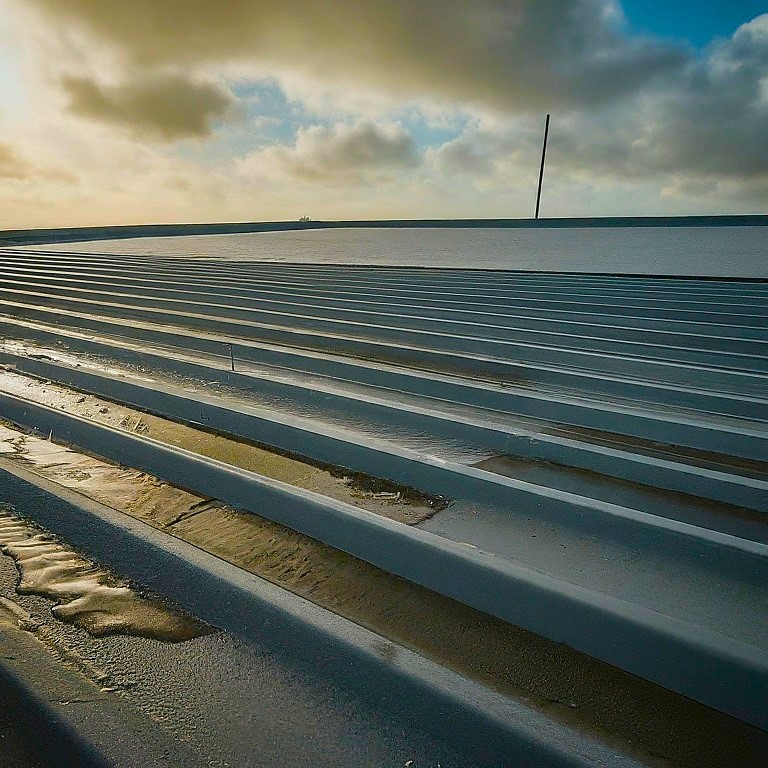
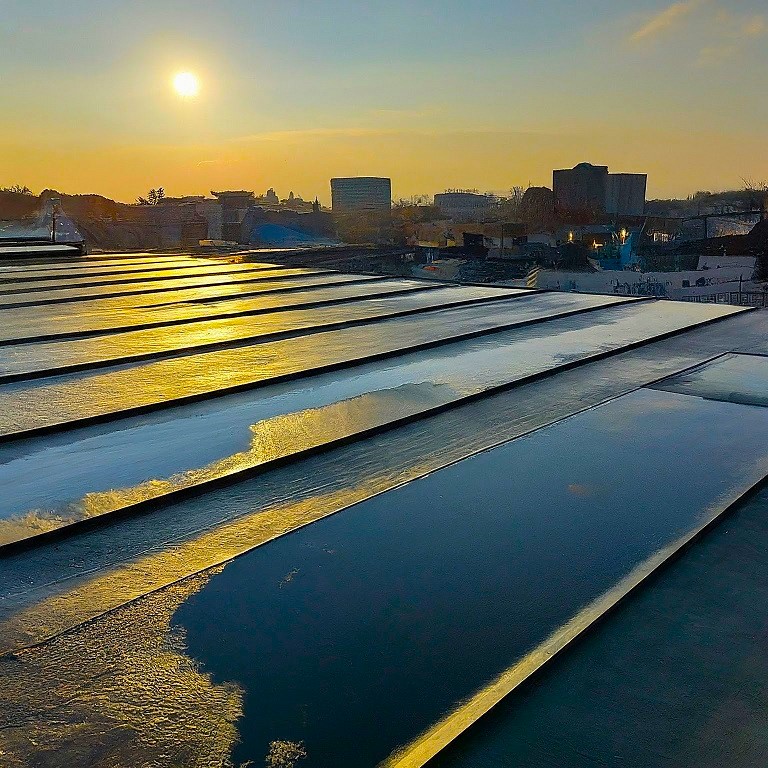
  • Ponding Water: Flat roofs have minimal slope, so proper drainage is crucial. If water accumulates on the roof for extended periods (usually exceeding 48 hours), it can put stress on the membrane and eventually lead to leaks. Clogged drains, debris build-up, or an inadequate slope can all contribute to ponding.
  • Poor Installation: Mistakes during roof installation can have lasting consequences. Improper seaming of membrane sections, inadequate adhesive application, or neglecting to address minor imperfections during installation can all become major leaks down the line.
  • Thermal Movement: Flat roofs experience significant thermal expansion and contraction throughout the year. If the roof isn’t built with these movements in mind, it can cause stress on the seams and lead to leaks.

Flat Roof Leak Repair

Related: The Ultimate Guide to Roof Cleaning

Preventing Leaks Before They Start

Proactive maintenance is key to preventing leaks in your flat roof. Here’s what you can do:

  • Regular Inspections: Schedule annual inspections by a qualified roofer to identify any minor issues before they become major problems.
  • Keep it Clean: Regularly remove leaves, branches, and other debris from your roof to prevent clogged drains and ponding water.
  • Trim Back Overhanging Trees: Branches scraping against the roof can damage the membrane.
  • Moss Removal: Moss growth can retain moisture and contribute to roof deterioration. Opt for a professional moss removal service if needed.

Addressing Leaks: Repair Strategies

If you suspect a leak in your flat roof, it’s crucial to act quickly to minimize damage. Here’s a general approach:

  • Identify the Source: Locating the leak’s source is essential for proper repair. Look for signs of water intrusion inside your home, and inspect the roof for visible damage. A professional roofer can use specialized equipment for more precise leak detection.
  • Temporary Patch (DIY): For small leaks, a temporary patch can take you time until a professional repair can be done. However, this should only be a short-term solution.
  • Professional Repairs: For most leaks, especially larger ones or those involving flashing or membrane damage, professional repair is recommended. Depending on the severity, repairs may involve patching the membrane, resealing seams, or replacing flashing. In extreme cases, a complete roof replacement might be necessary.

Beyond the Basics: Valuable Insights for Informed Homeowners

  • Understanding Your Roof Type: Different flat roof materials (e.g., rubber, TPO, metal) have varying lifespans and require specific maintenance considerations. Knowing your roof type will help you tailor your maintenance strategy.
  • DIY vs. Professional Repair: While some homeowners might be comfortable with minor roof maintenance tasks, attempting leak repairs yourself can lead to further damage if not done correctly. Always err on the side of caution and consult a professional for leak repairs.
  • Roof Warranties: Many flat roofs come with warranties that cover material defects or installation issues. Familiarize yourself with your roof warranty’s terms and conditions to understand what repairs might be covered.

By understanding the causes of flat roof leaks, implementing preventive measures, and addressing leaks promptly, you can ensure your flat roof protects your home for years to come.

Related: Roof Maintenance and Care over the Winter Months

Flat Roof Leaks: Frequently Asked Questions

Q: Why is my flat roof leaking?

Flat roofs are more prone to leaks than pitched roofs because water doesn’t naturally run off. Common causes include:

  • Age and Deterioration: Roofing materials break down over time, developing cracks or weak spots.
  • Flashing Failure: Flashing seals around roof penetrations like vents, pipes, and chimneys. If damaged or poorly installed, it can leak.
  • Ponding Water: Flat roofs with clogged drains, debris build-up, or inadequate slope can pool water, leading to leaks.
  • Poor Installation: Mistakes during installation, like improper seaming or neglecting minor flaws, can cause leaks later.
  • Thermal Movement: Flat roofs expand and contract with temperature changes. If not built to accommodate this movement, leaks can occur.

Q: How can I prevent leaks in my flat roof?

  • Schedule annual inspections by a qualified roofer.
  • Keep the roof clean of leaves, branches, and debris.
  • Trim back overhanging trees that could scrape the roof.
  • Remove moss which traps moisture and accelerates deterioration.
  • Maintain proper drainage to avoid ponding water.

Q: What should I do if my flat roof leaks?

  • Act quickly! Leaks can worsen quickly and cause significant damage.
  • Find the source of the leak. Look for signs inside your home and inspect the roof for visible damage. A professional can use specialized tools for more precise detection.
  • Apply a temporary patch (DIY for small leaks only)to buy time until a professional repairs it.
  • Call a professional roofer for most leaks, especially larger ones or those involving flashing or membrane damage.

Q: Can I repair a flat roof leak myself?

For minor leaks, a temporary patch might be a DIY option. However, for most repairs, especially those involving the membrane or flashing, professional help is recommended. Improper repairs can worsen the leak and lead to more extensive (and expensive) repairs later.

Q: How much does it cost to repair a flat roof leak?

The cost depends on the severity of the leak, the size of the roof, and the materials used. Minor repairs might cost a few hundred dollars, while a complete roof replacement can cost several thousand dollars.

How to Handle Crisis Situations in Your Household

When you live in an older home emergency situations can occur suddenly and when you least expect them. These issues can cause a lot of stress in your daily life, so it is important that you are well prepared to be able to handle any emergency situation that can arise in your home. In this article, we will explore some crisis situations that could occur and the best way to handle them to reduce damage to your home and keep your life stress-free.

Image credit

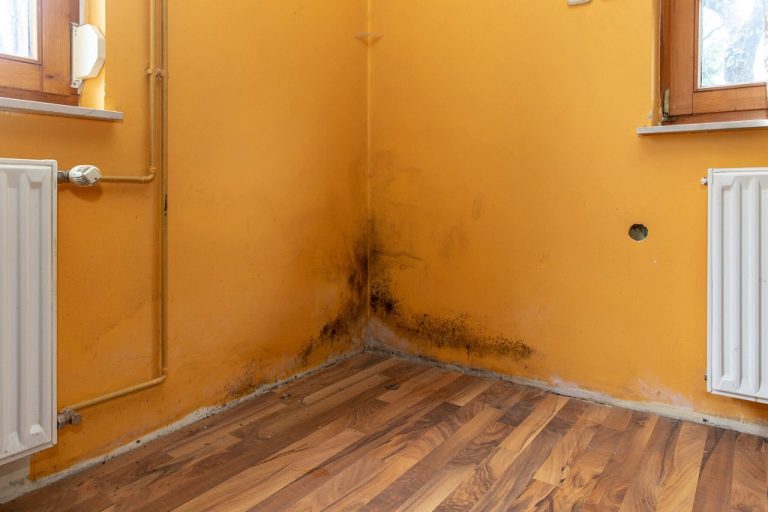
A water leak can cause considerable damage to your home if left unnoticed. As soon as you discover a leak you should attempt to locate the source and shut off the main water supply to your home. This is normally a water valve, if you do not know where this is, you should find out and ensure that it is always accessible in case of an emergency. You should then contain any leaking water by using buckets or towels to reduce the amount of water in your home. Too much water in your home can lead to mould and rot which can be very expensive to fix.

All households rely on hot water all day long. This means that if your boiler were to break down it can cause chaos in your home. You can prevent unexpected boiler breakdowns by having your boiler serviced by a professional plumber and they will be able to ensure it is in working order. You should also find out how to reset your boiler as sometimes it can lock and need resetting. In the case of your boiler completely breaking down, you should have a number of Boilers Gloucester company at hand so you can contact them to come and replace your boiler for you. An example of one of these companies is https://www.hprservicesltd.com/gloucester-boilers/boiler-service-gloucester

Image credit

A power cut can strike your home at any time. During any power cut, it is essential to ensure everyone is safe by using torches or candles to provide temporary light. If you do not have any of these, it is a good idea to have some ready in case of this situation. You should also find out where the distribution board is in your home, so you can try and reset the breaker in the case of a power cut.