Best DIY Window Soundproofing Tips for Any Budget

Urban living comes with perks—convenience, nightlife, and connectivity. However, the downside is often unbearable: noise pollution. Whether it’s honking horns, loud neighbors, or construction chaos, constant sound disruption can destroy peace of mind. According to the World Health Organization, noise pollution affects sleep, stress levels, and even heart health. Thankfully, you don’t need to shell out thousands for professional solutions. This guide shares the best DIY window soundproofing tips for any budget—practical, proven, and powerful.

Taming the Paper Tiger: How to Conquer a Filing Cabinet Without Rails

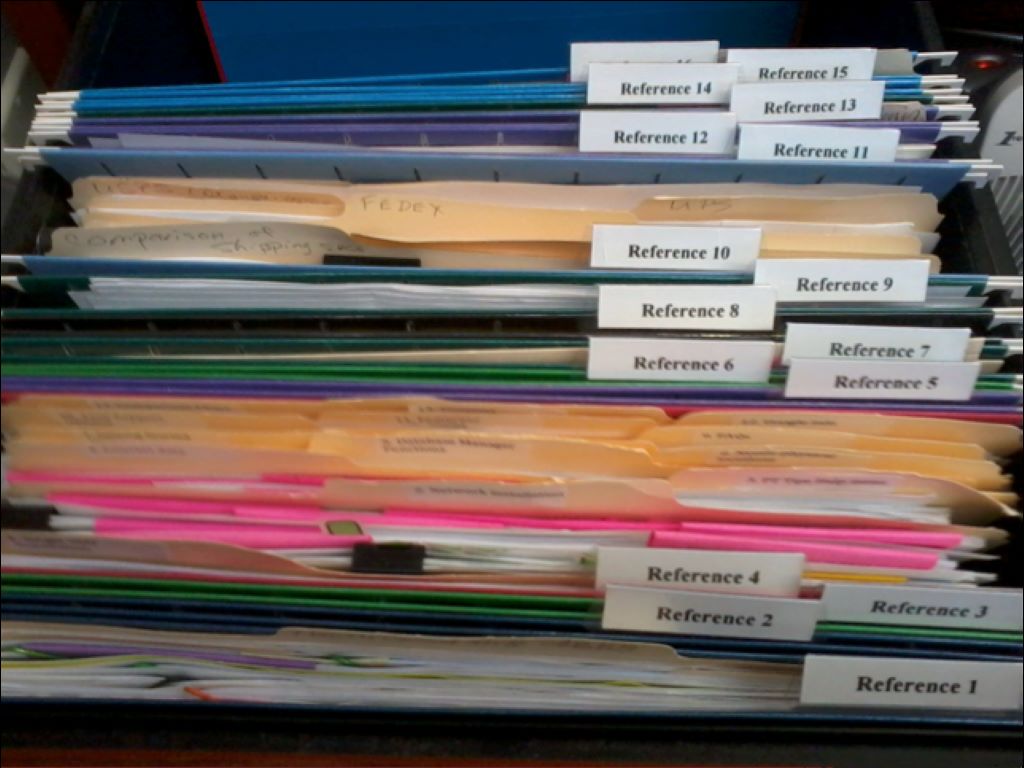
Filing cabinets. Those imposing metal behemoths promise order but often deliver chaos. Especially when they’re missing a key component: suspension rail for cabinets. But fear not, fellow organizers! A rail-less filing cabinet isn’t a lost cause. With a bit of creativity and the right tools, you can transform it into a well-ordered information hub.

How to Restore the Inside of an Old Trunk: A Comprehensive Guide

Old trunks are more than just storage containers; they’re windows into the past, often carrying stories and charm. Restoring the inside of an old trunk not only breathes new life into it but also preserves its history. Whether your trunk is a family heirloom or a flea market find, this guide will walk you through the steps to revive its interior beauty.

DIY Queening Chair: How to Make Your Own Elegant Throne

Are you tired of the ordinary chairs in your home and looking for something regal to add to your decor? A queening chair might be just what you need. These chairs have a long and fascinating history, dating back to medieval times when they were used as thrones for queens during important events.

Nowadays, queening chairs are a symbol of luxury and elegance, and they can be used to add a touch of glamour to any room in your home. And the best part is, you can make your own DIY queening chair at home with a few simple materials and tools.

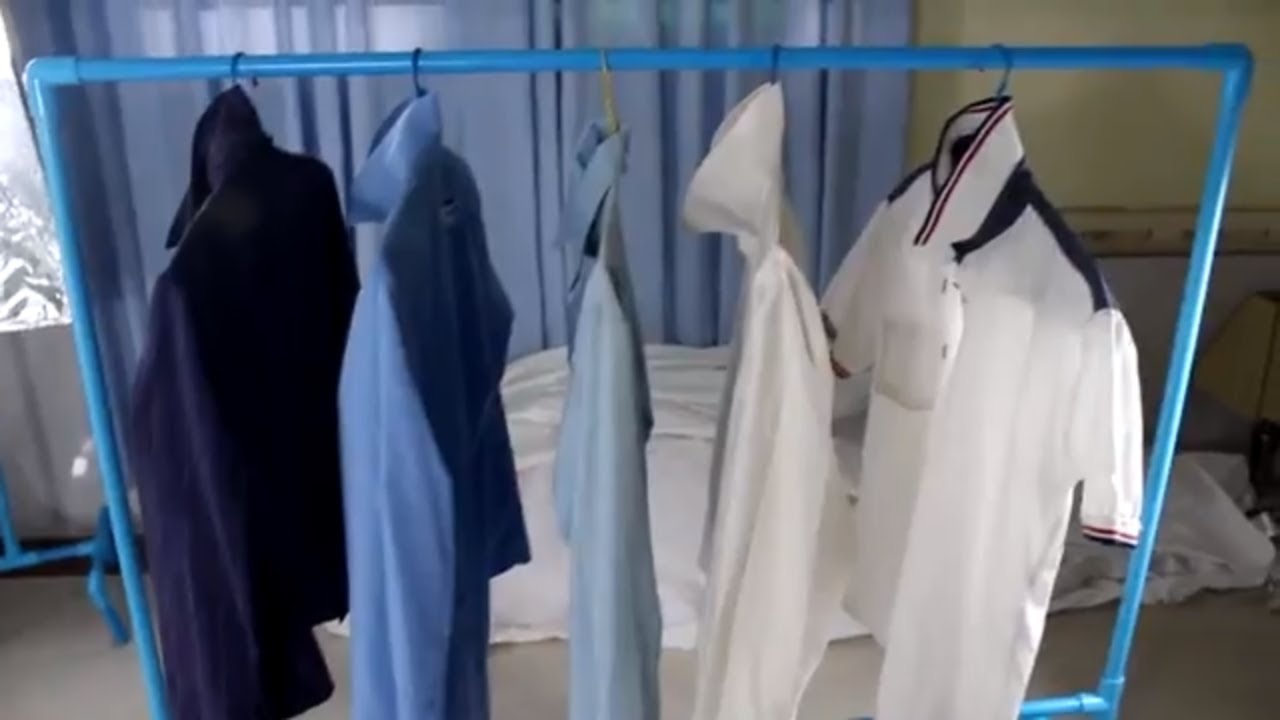
How to make a clothes rack from pvc pipe?

There are many impractical units that do not really provide adequate storage for anything modern. Like the shallow closet that is built between two posts on the wall, near the floor, do not you think?. In my endless desire to create more ways to store things in my small sardine can of living space, I have decided to build this shelf unit for the bathroom.

Why You Should Consider Using A Carpet Protectant

Many homeowners are under the impression that the key to having a long lasting carpet is to apply a protectant to the surface. A carpet protectant is designed to act as a repellant to liquid and increase stain and soil resistance.

Applying protectant to carpet can have multiple benefits and anyone seeking carpet cleaning glendale az, can have this type of protection added to their carpeting for an affordable cost.

Anyone considering putting in new carpet or trying to preserve the carpet that already exists would do well to have a carpet protectant applied . Here’s why:

Reasons to Apply Carpet Protectant

Carpet Protectant

The main reason for adding a protectant is to make it easier to clean up spills and accidents. This surface protector adheres to the fibers and acts a protective barrier so liquids take longer to soak in and potentially create a lasting stain.

But it’s not just liquids either, dry substances such as dust and dirt are also prevented from getting deep down into the pile of the carpet and resting on top of the backing material, where it’s much tougher to remove such contaminants.

This is not to suggest that a carpet protectant is intended to act an an impenetrable shield to keep your carpet pristine and free of imperfections. You still need to practice routine maintenance in the form of vacuuming and deep cleaning.

Another useful benefit of carpet protectant is that your carpet can ward off common wear and tear through excessive levels of foot traffic. Stains aren’t just left behind after spills and messes, even typical daily wear can result in stains and discoloration.

Applying Carpet Protectant
Carpet Protectant

For homeowners with new carpets having been installed, a protectant has already been applied. In fact, most new carpets will come equipped with a protective barrier, meaning you won’t need to have another one added to the fibers for the first four or five years of ownership.

It’s only after that initial time period when you’ll need to consider having a protectant reapplied to your carpet after 18-24 months. That’s because it can wear off over time under routine foot traffic. Those areas that see a particularly excessive amount of wear and tear will likely have the protectant almost non-existent in a shorter period of time.

You may also need to reapply the protectant in these spots more often than the recommended 18-24 months in order to keep the carpet safe and sound.

Doing the Work

Many homeowners may attempt to apply a protectant to the carpet themselves but even with the many assorted protectants that are currently available, the smart choice is to leave this kind of work to a trained professional.

Not only will you feel assured that the job was done correctly and thoroughly, but you can safeguard your investment for the long term. So leave the work to those who know what they’re doing and all you need to do is practice good carpet maintenance as you would even if there was no protectant applied to the fibers at all.

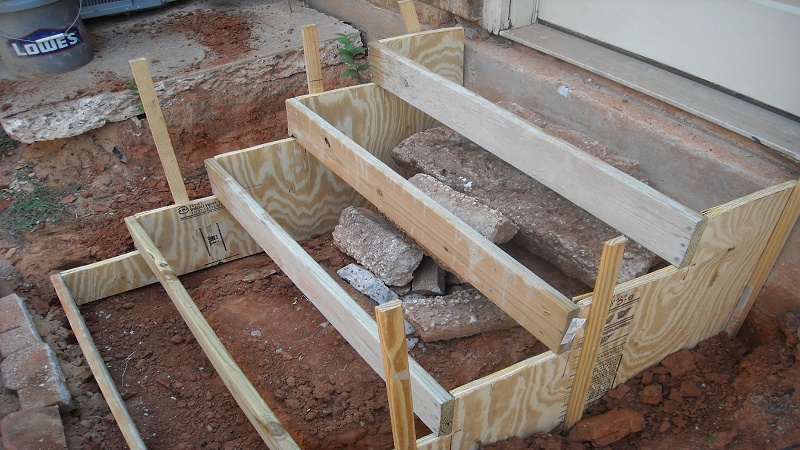
How To Fill Stairs Perfectly With Concrete?

Since ancient times, the stairs are an integral architectural element of most buildings. Fill stairs perfectly with concrete. In addition to the main purpose, steps can be an accent and a successful addition to the interior or exterior. With the development of technology, high-tech and industrial styles became particularly popular, the appearance of which influenced the construction of stairs.