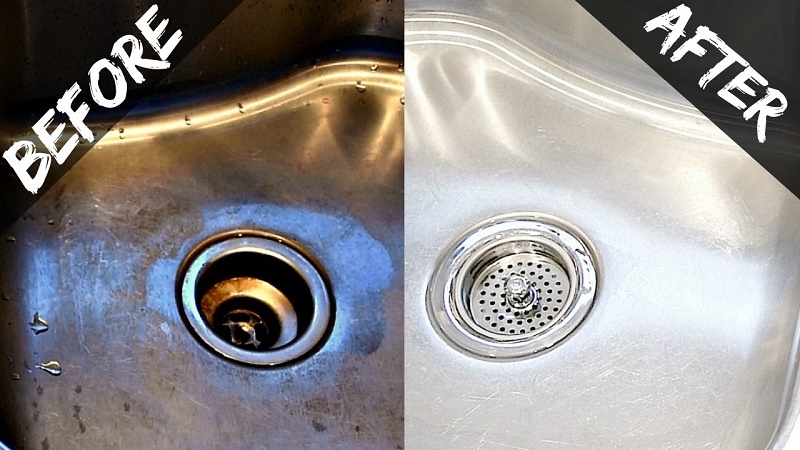
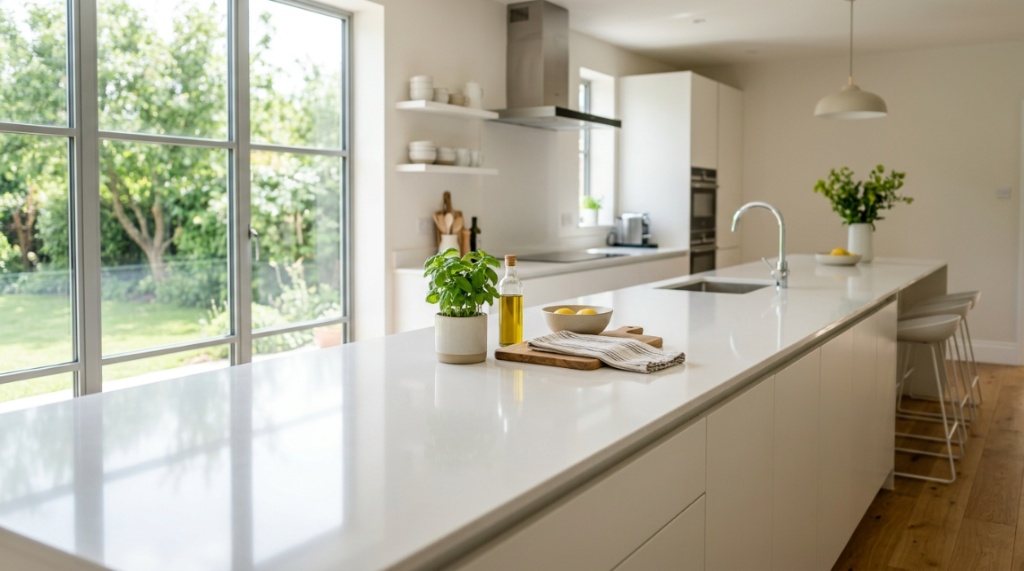
You wipe down your counters, step back, and see a mess of smears, streaks, and cloudy residue. It is frustrating because you did the work. The problem is usually a combination of the wrong product, the wrong cloth, or the wrong technique. The result is a dull finish that makes a clean kitchen look dirty. To achieve truly streak-free kitchen counters, you need to understand why those streaks appear in the first place. Most streaks are caused by soap film, hard water minerals, or excess product left behind after the water evaporates. Granite, quartz, laminate, and stainless steel each react differently to cleaners, so a one-size-fits-all approach rarely works.
The Science Behind Countertop Streaks
Streaks happen when cleaning agents do not fully rinse away or when dirt is redistributed across the surface instead of being lifted. Water hardness also plays a major role. If your tap water has high mineral content, it can leave white, chalky lines as it dries. Understanding this chemistry helps you choose products that neutralize minerals and evaporate cleanly.
How Your Cleaning Cloth Affects the Outcome
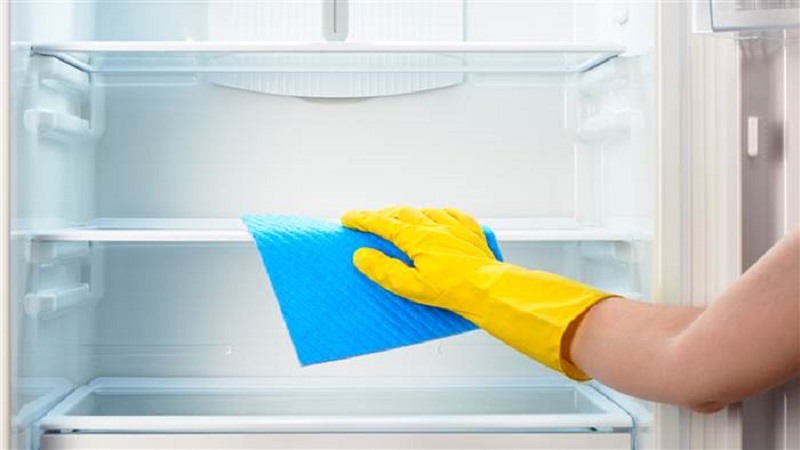
Old rags loaded with fabric softener or lint can deposit residue onto your counters. Microfiber cloths are your best friend here because they trap dirt and absorb water without leaving fibers behind. Swap to a fresh, dry microfiber cloth for the final buffing pass to eliminate any remaining moisture.
What Is the Best Way to Clean Different Countertop Materials?
Not all countertops are created equal. The best method for one material can ruin another. Matching your cleaner and technique to your specific surface is the fastest route to a flawless finish. Let us break down the most common kitchen surfaces and the exact steps to keep them gleaming.
Granite and Natural Stone Counters
Granite is porous, so acidic cleaners like vinegar or lemon juice can etch the sealant and leave dull spots. Use a pH-neutral stone cleaner or a few drops of mild dish soap mixed with distilled water. Spray lightly, wipe with a damp microfiber cloth, then buff dry immediately. Re-seal your granite every six to twelve months to protect against stains and streaks.
Quartz and Engineered Stone Surfaces
Quartz is non-porous, making it resistant to bacteria and stains, but it is sensitive to harsh chemicals. Avoid bleach, ammonia, and abrasive scrubbers. Stick to a gentle quartz cleaner or a mix of rubbing alcohol and water. The alcohol evaporates quickly without leaving streaks, which is why many professional cleaners recommend it for this material.
Laminate and Solid Surface Counters
Laminate is durable but can scratch easily. Use a soft sponge or cloth with a mild all-purpose cleaner. Never use scouring pads. For solid surfaces like Corian, warm water and a drop of dish soap work perfectly. Dry thoroughly with a clean towel to prevent water spots from forming.
Which Cleaning Products Actually Prevent Streaks?
You do not need a cabinet full of specialty bottles. In fact, many store-bought cleaners contain waxes or oils that actually attract dust and cause smearing. The trick is to look for products that are specifically formulated to evaporate cleanly and leave no residue behind. You can also explore professional-grade options that are designed for streak free kitchen counters and are available for local delivery in Michigan.
DIY vs. Commercial Cleaners: Which Wins?
| Cleaner Type | Best For | Streak Potential |
|---|---|---|
| Dish soap + water | Laminate, solid surface, quartz | Low (if rinsed well) |
| Rubbing alcohol + water (1:1) | Quartz, stainless steel | Very low |
| White vinegar + water (avoid on stone) | Laminate, tile | Moderate (hard water may leave spots) |
| Commercial stone cleaner | Granite, marble | Low (pH-balanced) |
Ingredients to Avoid for a Streak-Free Finish
Avoid products with heavy fragrances, oils, or waxes. These leave a film that feels sticky and shows every fingerprint. Also, steer clear of ammonia-based glass cleaners on stone surfaces—they can dull the polish over time.
How Should You Actually Wipe the Counter to Avoid Smears?
Your wiping technique matters just as much as your cleaner. Most people scrub in circles, which only moves dirt around. A systematic approach ensures you lift grime off the surface rather than spreading it. Follow this process every time you clean, and you will see an immediate improvement.
The S-Curve Wiping Method
Start at one edge of the counter and work your way across in a gentle S-curve pattern. Overlap each pass slightly. This prevents you from missing spots and ensures you are always wiping with a clean section of cloth. Flip the cloth frequently to avoid reapplying dirt.
The Two-Step Spray and Buff Routine
First, spray your cleaner onto a microfiber cloth, not directly onto the counter. This controls the amount of moisture you apply. Wipe the surface with a damp cloth. Second, grab a separate dry microfiber cloth and buff the counter in long, straight lines. This final buffing step is what eliminates every last streak.
When Is the Best Time of Day to Clean Counters for Best Results?
Timing your cleaning can reduce frustration. If you wipe down counters when bright sunlight is hitting them directly, you will see every single streak immediately. This might make you think you failed, but it is simply the light showing every tiny watermark. Cleaning during softer morning light or evening hours gives you a more realistic view of your work.
Avoiding Harsh Direct Light
If you must clean in direct sunlight, tilt your head slightly to change your viewing angle. This helps you differentiate between actual residue and harmless light reflections. Better yet, clean when the kitchen is shaded or use artificial overhead lighting.
Cleaning After Cooking vs. Before Cooking
Clean your counters after cooking, not before. Grease and spatters are still warm and easier to remove. Waiting until they cool and harden forces you to scrub harder, which often leads to streaking. A quick post-cooking wipe prevents stubborn buildup.
Can You Use Vinegar on All Kitchen Countertops?
No, absolutely not. While vinegar is a popular natural cleaner, it is acidic and can damage certain surfaces. Using vinegar on granite, marble, or quartz countertops is a common mistake that leads to etching, dullness, and permanent damage. Stick to pH-neutral cleaners for stone. Vinegar works well on laminate, tile, and sealed wood surfaces.
Why Vinegar Fails on Natural Stone
The acid in vinegar reacts with calcium carbonate in natural stone. This reaction eats away at the sealant and the stone itself, creating microscopic pits that trap dirt and moisture. Once the sealant is compromised, streaks become unavoidable.
Safe Alternatives for Stone Countertops
Use a dedicated stone cleaner, a diluted rubbing alcohol solution, or mild dish soap. These are gentle enough to preserve your countertop investment while still cutting through grease and fingerprints effectively.
While keeping your surfaces gleaming is a huge part of a spotless kitchen, don’t forget about air quality and grease buildup. Installing the right Kitchen Exhaust Fan for Your Home helps prevent airborne oils from settling and creating a sticky residue on your freshly cleaned countertops.
How Do You Fix a Counter That Already Has Stubborn Streaks?
Do not panic. Stubborn streaks can be removed without heavy chemicals. The key is to remove the residual film that is causing the shine to be uneven. Start with the simplest method and escalate only if needed.
The Distilled Water Rinse Trick
Dampen a clean microfiber cloth with distilled water only. Wipe the streaky area thoroughly. Distilled water has no minerals, so it will not leave new spots. Immediately buff the area dry with a second cloth. This works for most common streak issues caused by tap water residue.
Using Rubbing Alcohol for Greasy Films
If distilled water does not work, mix one part rubbing alcohol with one part distilled water. Spray lightly onto a cloth and wipe the counter. The alcohol dissolves grease and evaporates almost instantly. Follow with a dry buffing cloth for a showroom shine.
What Common Mistakes Are Causing Your Counter Streaks?
Small, easy-to-fix habits are often the culprit. Once you identify these mistakes, you can correct them immediately and see better results. Many people are surprised that they have been unknowingly creating streaks for years.
Using Too Much Cleaner
More cleaner does not mean cleaner counters. Excess product leaves behind a sticky film that smears when you try to dry it. Use only two to three sprays per section. Let the microfiber cloth do the work.
Letting Cleaner Air-Dry on the Surface
Never let cleaner evaporate on its own. This guarantees streaks because the water and cleaning agents dry unevenly. Always wipe and buff dry immediately after applying the cleaner.
Cleaning with Dirty Rags or Sponges
A rag that looks clean can still harbor grease and bacteria. When you wipe with a soiled cloth, you are painting a thin layer of grime back onto the counter. Use a fresh microfiber cloth for each cleaning session.
Frequently Asked Questions
Why do my counters still look wet even after I dry them?
This often indicates a greasy residue film left behind by the cleaner or cooking splatters. Try wiping the surface with a cloth dampened with diluted rubbing alcohol, then buff dry with a clean microfiber cloth to remove the film.
Can I use paper towels to get a streak-free shine?
Paper towels can work, but they often leave lint behind on dark or glossy surfaces. Microfiber cloths are superior because they trap dust and absorb more water without shedding fibers. If you must use paper towels, choose a brand with high absorbency and low lint.
How often should I clean my kitchen countertops?
For everyday maintenance, wipe counters after each meal or major cooking session. A deeper clean with a specialized product should happen once a week. Daily wiping prevents buildup that leads to streaks.
Is it safe to use glass cleaner on my countertops?
Glass cleaner is safe for sealed granite, quartz, and laminate, but avoid it on natural stone with damaged sealant or on unsealed marble. The ammonia in some glass cleaners can dull certain finishes over time. Spot test in an inconspicuous area first.
What is the fastest way to remove water spots from counters?
Squeeze a few drops of fresh lemon juice onto a damp cloth (only for non-stone surfaces) or use a 50/50 white vinegar and water solution. Wipe the spots, then immediately rinse and buff dry. For stone surfaces, use a dedicated stone polish.
Why do dark countertops show more streaks than light ones?
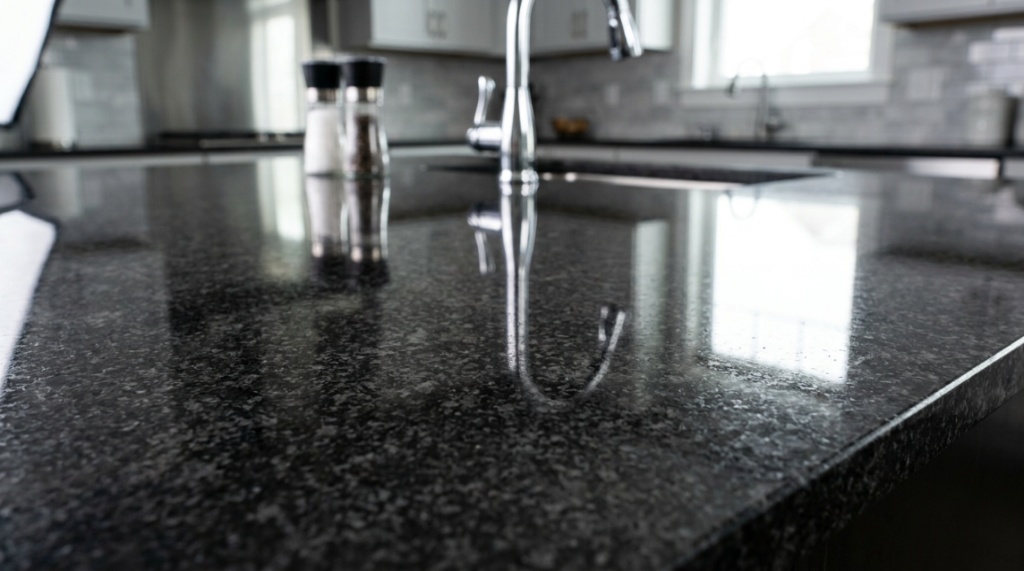
Dark, glossy surfaces reflect light directly, making any residue or unevenness highly visible. Light-colored or matte countertops scatter light, which hides minor imperfections. This means dark counters require more meticulous drying and buffing.
Can I use bar keepers friend on all countertop types?
Bar Keepers Friend is a mild abrasive. It works well on stainless steel, ceramic, and solid surfaces like Corian, but it can scratch polished granite, marble, and laminate. Always check the manufacturer recommendation for your specific material.