
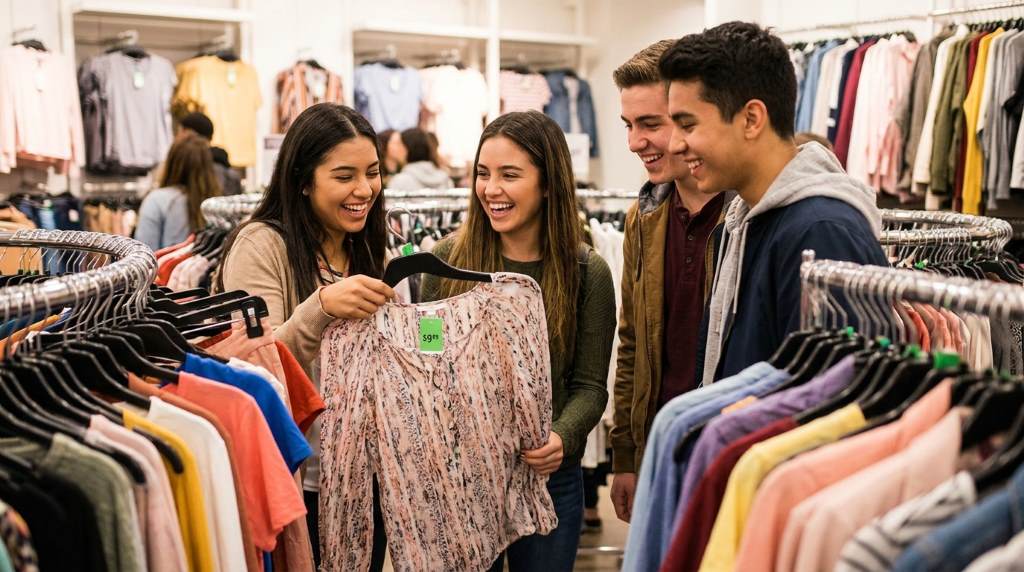
Students often buy trendy clothing because it seems affordable and convenient during busy academic schedules. However, research suggests the average consumer buys about 60% more clothing than fifteen years ago while keeping garments for much shorter periods. Additionally, many college students struggle with limited budgets despite rising living costs. Learning from sustainable wardrobe swap ideas helps students reduce unnecessary spending while making smarter clothing choices.
Fast fashion promises low prices and fresh styles, yet hidden costs quickly affect student finances and daily life. This guide explains why fast fashion creates long term challenges while offering practical alternatives for students seeking better value.
Fast Fashion Creates Hidden Financial Problems
Many students believe inexpensive clothing saves money because each purchase costs very little. However, cheap fabrics usually wear out quickly, forcing repeated replacements throughout every semester.
Instead of buying several low quality outfits, students should compare durability before making purchases. Reading guides about fitters recommend laminate also reminds shoppers that investing in quality materials often delivers better long term value.
Budget planning becomes easier when every purchase lasts longer than expected. Therefore, students can redirect savings toward textbooks, transportation, healthy meals, or academic activities.
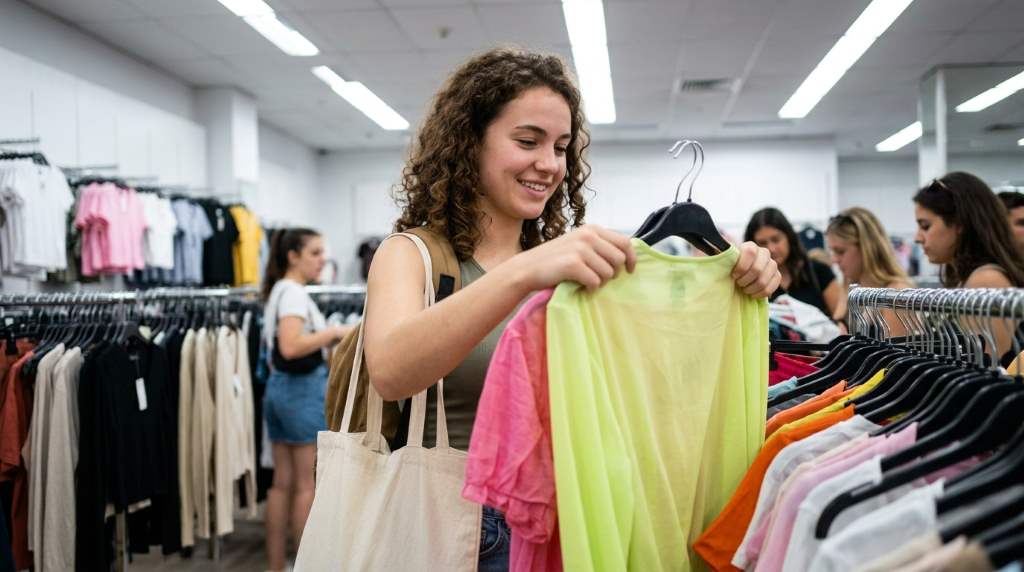
Why Cheap Clothing Costs More
- Frequent replacements increase yearly spending.
- Poor stitching causes early damage.
- Low quality fabrics lose shape quickly.
- Impulse shopping encourages unnecessary purchases.
Low Quality Clothing Adds Daily Stress
Busy students need dependable clothing that survives regular classes, commuting, and campus activities. Unfortunately, many fast fashion items shrink, fade, or tear after only several washes.
Reliable clothing reduces unnecessary frustration while simplifying daily routines throughout demanding semesters. Likewise, articles discussing budget friendly flooring options highlight the lasting benefits of choosing durable materials instead of temporary bargains.
Students also spend less time shopping when wardrobes remain functional for longer periods. Consequently, they gain more opportunities for studying, internships, and meaningful social experiences.
Signs of Poor Clothing Quality
- Loose threads after limited use.
- Fabric becomes thin very quickly.
- Colors fade after several washes.
- Buttons and zippers fail unexpectedly.
Environmental Impact Matters More Than Ever
Students increasingly care about environmental responsibility because campus communities encourage sustainable lifestyles and thoughtful purchasing decisions. Every clothing purchase creates environmental effects beyond the checkout counter.
Choosing durable garments supports responsible consumption while reducing unnecessary textile waste over time. Similarly, discussions about pet friendly flooring emphasize selecting products that balance everyday performance with long lasting sustainability.
Small purchasing decisions become meaningful when thousands of students make similar choices together. As a result, campuses can reduce waste while promoting stronger environmental awareness.
Simple Sustainable Habits
- Buy timeless styles instead of short trends.
- Repair damaged clothing before replacing items.
- Donate wearable garments responsibly.
- Support secondhand and local stores.
Social Pressure Encourages Unnecessary Spending
Social media constantly introduces new fashion trends that disappear within only several weeks. Consequently, students often feel pressure to purchase clothing they never truly need.
Personal confidence grows stronger when wardrobes reflect comfort instead of temporary online trends. Moreover, developing individual style reduces unnecessary comparison with constantly changing fashion influences.
Students who define personal priorities usually spend less while feeling happier about everyday clothing choices. Therefore, mindful shopping creates financial freedom alongside greater personal satisfaction.
Ways to Resist Trend Pressure
- Create a seasonal clothing budget.
- Plan purchases before shopping trips.
- Avoid emotional buying decisions.
- Focus on versatile wardrobe essentials.
Smart Alternatives for College Students
Students can build attractive wardrobes without depending on fast fashion brands throughout every academic year. Better shopping habits provide greater value while supporting responsible consumer decisions.
Local thrift stores often offer quality clothing at affordable prices for students with limited budgets. Furthermore, clothing exchanges, resale platforms, and seasonal sales create additional opportunities for savings.
Building a capsule wardrobe also reduces clutter while simplifying daily outfit decisions. Consequently, students save time, reduce expenses, and maintain consistent personal style.
Practical Shopping Checklist
- Check fabric quality before purchasing.
- Choose neutral colors for versatility.
- Compare durability instead of price alone.
- Wash garments according to care instructions.
- Purchase fewer but better clothing pieces.
Building Better Financial Habits Through Clothing Choices
Every shopping decision teaches valuable money management skills that extend beyond clothing purchases. Wise spending habits benefit students during college and throughout future careers.
Setting monthly clothing budgets encourages thoughtful decisions before entering stores or shopping online. Likewise, tracking expenses reveals patterns that help eliminate unnecessary purchases.
Financial confidence develops gradually through consistent habits rather than dramatic lifestyle changes. Therefore, students who spend intentionally usually experience less financial stress over time.
Conclusion
Fast fashion attracts students with low prices, yet hidden costs quickly outweigh temporary savings and convenience. Durable clothing, thoughtful budgeting, and responsible shopping create stronger financial and personal outcomes.
Start reviewing your wardrobe today before making another impulse purchase. Small changes today will protect your budget, reduce waste, and build smarter shopping habits for years ahead.
Frequently Asked Questions
Why is fast fashion expensive over time?
Frequent replacements increase total spending despite lower purchase prices.
How can students reduce clothing expenses?
Students should buy durable essentials, shop secondhand, and follow a clothing budget.
Does fast fashion affect the environment?
Yes, it increases textile waste, resource consumption, and unnecessary environmental pollution.
What is a capsule wardrobe?
A capsule wardrobe contains versatile clothing pieces that work together across many occasions.
Why should students avoid impulse clothing purchases?
Impulse buying wastes money while creating unnecessary wardrobe clutter and financial stress.