
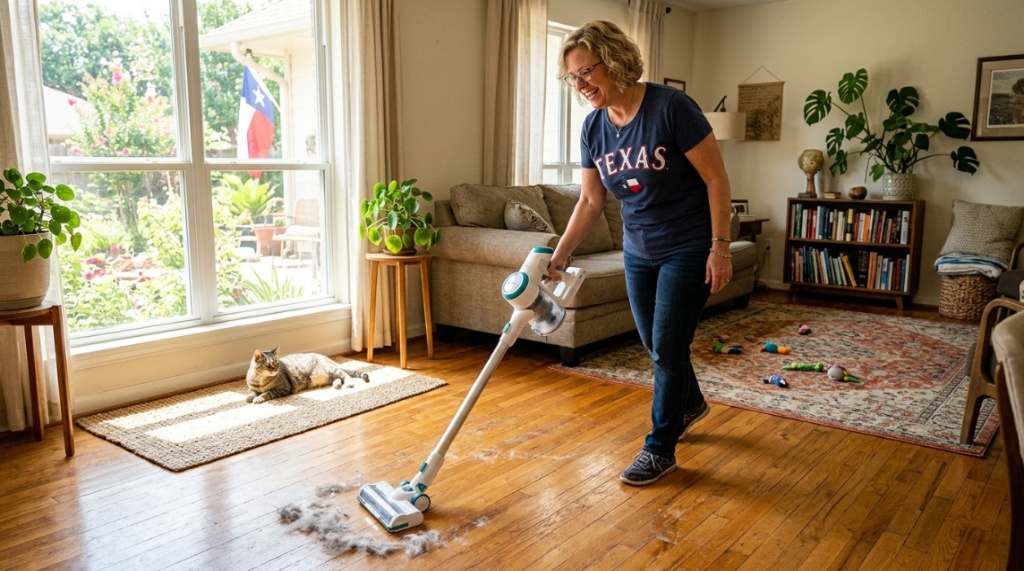
Living in Texas with a cat means dealing with two things year-round: heat and fur. You vacuum daily, yet lint rollers are still your best friend. The struggle is real—especially when you’re staring at a wall of expensive machines at the store, wondering if you have to fork over $800 just to keep your sofa presentable. You don’t. There are genuinely good, budget-friendly options that handle the unique demands of Texas living—think high temperatures, shedding seasons, and varying floor types from tile to thick carpet. This guide will walk you through exactly how to choose an affordable cat hair vacuum Texas residents actually rely on, without wasting money on features you’ll never use.
What Makes a Vacuum Suitable for Cat Hair in Texas Homes?
Texas homes are a mix of open-concept layouts, tile floors for cooling, and area rugs for comfort. You need a vacuum that adapts immediately. The ideal machine combines strong suction with specialized tools that don’t get tangled. It’s not about sheer power; it’s about the right kind of power for the surfaces you have.
The Core Features to Prioritize
Focus on these mechanical aspects before looking at brand names. A good pet vacuum needs a brush roll that resists hair wrapping. Look for models with “tangle-free” technology or self-cleaning brush heads. Additionally, a HEPA filter is non-negotiable in Texas because of allergens and dust that mix with pet dander. Finally, consider the dustbin capacity—small bins require constant emptying, which is tedious when dealing with heavy shedders.
Why Suction Alone Isn’t Enough
Many powerful vacuums fail on pet hair because they lack the correct agitation. If you have low-pile Berber carpet common in Texas apartments, a stiff brush roll can actually push hair deeper. Conversely, on tile or hardwood, you need a hard floor mode that shuts off the brush or uses soft bristles. A versatile machine with adjustable settings is often more effective than a one-speed brute.
How Cordless vs. Corded Affects Your Choice
Texas homes are often sprawling single-story layouts. A cordless stick vacuum offers convenience for quick cleanups, but battery life can be a gamble during heavy shedding months. Corded models provide consistent suction for deep cleans but limit your range. For most cat owners, a corded upright or canister is the affordable workhorse, while a budget cordless stick is great for daily touch-ups.
Why Is the Price Range for Cat Hair Vacuums So Wide?
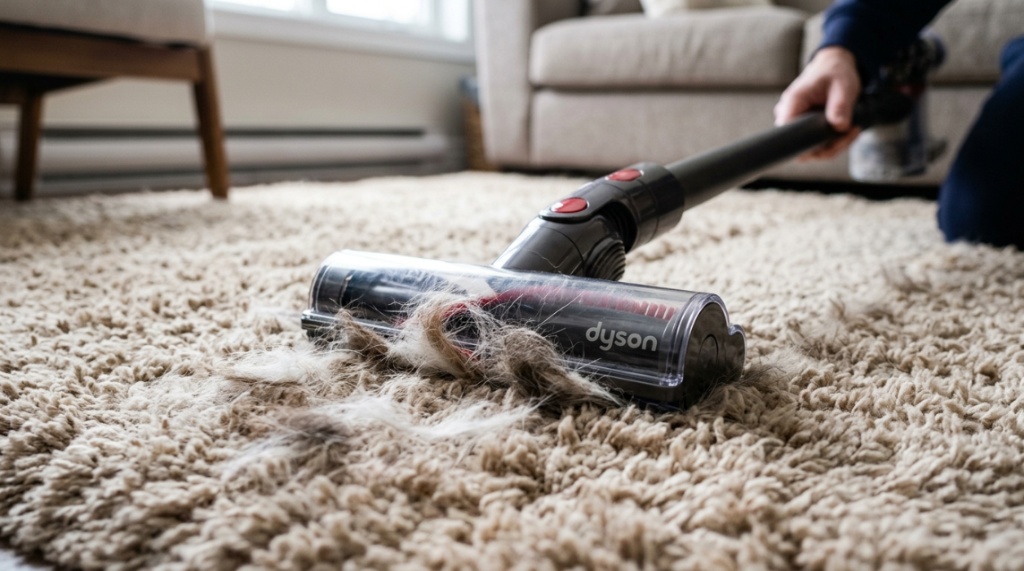
Prices range from $50 to over $1,000 because you’re paying for motor tech, filtration quality, and brand marketing. The good news is that mid-range vacuums ($150–$300) now include features that were exclusive to flagships just a few years ago. Understanding what drives the price helps you avoid overpaying for pet-specific branding.
What the Extra Money Actually Buys You
Premium vacuums often have sealed HEPA systems, which are essential if you have allergies. They also have better build quality—meaning fewer repairs. However, for basic cat hair removal, a sealed system isn’t mandatory unless you’re highly sensitive. You’re largely paying for longevity and quieter operation, not necessarily better hair pickup.
The “Pet” Premium Trap
Manufacturers often charge a 20–30% markup just for a “pet” sticker on the box or a specialized turbo brush. You can often buy the non-pet version of the same vacuum and purchase a generic mini turbo tool separately for $20. This is a legitimate hack to save money while getting the same performance.
When to Splurge vs. When to Save
If your cat is a high-shedder like a Maine Coon or if you have wall-to-wall carpet, invest in the lower end of the premium range (around $250) to get a motorized brush roll. If you have mostly hard floors and a single short-haired cat, a basic model under $120 will suffice perfectly. Match the tool to your specific burden.
Which Type of Vacuum Is Best for Cat Hair: Upright, Canister, or Stick?
This decision hinges on your living space and physical limitations. Uprights are powerful and simple to store. Canisters are lighter and easier to maneuver under furniture. Stick vacuums are convenient but often require more passes. For Texas-sized homes, there’s no universal answer—it’s about matching the tool to your daily pain points.
Upright Vacuums: The Traditional Powerhouse
These are ideal for large carpeted areas. They offer the deepest clean and often have the largest dustbins. The downside is weight and handling on stairs. If you have a two-story home, an upright can be a workout. Look for models with a detachable hose for above-floor cleaning—this is a standard feature now, even on budget models.
Canister Vacuums: Agility and Reach
Canisters excel on hard floors and under furniture. The motor is on wheels, so the hose is much lighter. This is a great option if you have a bad back or arthritis. They are also generally quieter than uprights. For cat hair, they work well on upholstery and rugs if paired with a powered brush attachment—check if one is included before buying.
Stick Vacuums: Convenience Over Capacity
A stick vacuum is perfect for a quick morning pickup of the cat tree or couch. They’re extremely easy to grab. However, their small dustbins and batteries mean they’re not a primary machine for weekly deep cleans. The best budget approach is to buy a stick vacuum as a secondary tool and use a corded vacuum for the main chore.
| Type | Best For | Average Budget Price | Cat Hair Efficiency |
|---|---|---|---|
| Upright | Carpets, large areas | $150 – $300 | High |
| Canister | Hard floors, stairs | $180 – $350 | Medium-High |
| Stick | Quick cleanups | $80 – $150 | Medium |
How Much Should You Expect to Spend on a Decent One?
A functional, durable cat hair vacuum that lasts several years will typically cost between $120 and $250 from reputable brands like Bissell, Shark, or Hoover. You can find models under $100, but they usually lack either suction power or filtration quality. Spending more than $300 is often unnecessary unless you have severe allergies requiring specialized medical-grade filtration.
Setting a Realistic Budget for Your Needs
Define your must-haves versus nice-to-haves. A must-have is a tool for pet hair. A nice-to-have is LED lights. Write down your flooring type and your cat’s shedding level. If you’re on a tight budget, prioritize a model with a washable filter to save on long-term costs over disposable ones.
Hidden Costs to Watch Out For
Never forget replacement filters and belts. Some budget vacuums require expensive replacements every six months, making them costlier in the long run. Check the price of filters before purchasing the vacuum. Washable HEPA filters are a huge money-saver in the long term.
Where to Find the Best Deals in Texas
Consider big-box retailers like Walmart or Target for in-store clearances. However, online marketplaces often have lower prices. Also, check thrift stores or Facebook Marketplace in wealthier Texas suburbs—people sell barely-used vacuums often when they move. This can get you a $300 model for $50, but inspect it carefully for hair tangled in the brush roll.
How to Test a Vacuum’s Pet Hair Performance Before Buying?
If you’re shopping in a physical store, you can’t test with actual cat hair on the showroom floor. But you can inspect key components. Check if the brush roll is removable for cleaning. Look at the air path—does it have sharp angles where hair might clog? Ask to turn it on and feel the suction at the hose end.
The “Rice Test” for Suction Power
To gauge suction strength, spread a cup of uncooked rice on a hard floor and vacuum it up. A good affordable vacuum should pick it up in one or two passes. If it sprays rice, the suction is too weak for heavy pet hair. This is a practical test that works anywhere.
Checking the Wands and Attachments
Ensure the crevice tool is long enough to reach under furniture where cat toys and hair hide. The upholstery tool should have rubber bristles, not just plastic ones—rubber creates static that attracts hair. Test how easy it is to attach and detach these tools. If it’s fiddly in the store, it will be infuriating at home.
Reading the Fine Print on Warranties
Check the warranty length. A two-year warranty indicates the manufacturer has confidence in the product’s durability in Texas’s punishing heat and dust conditions. Look for warranties that cover the motor and the brush roll, not just the housing. This is your safety net against manufacturing defects.
What Are the Best Affordable Brands and Models to Consider?
While individual models change yearly, certain brands consistently dominate the budget pet-hair category. Bissell is practically synonymous with pet cleaning. Shark offers excellent lift-away technology. Hoover provides solid, no-frills reliability. Research current models in the $150-$250 range from these three brands first.
Bissell: A Legacy in Pet Cleaning
Bissell’s CleanView and PowerForce lines are perennial favorites. They often include specialized pet tools and the “OnePass” technology that claims to get the job done quickly. Their filters are reasonably priced. The primary downside is that some budget models can be noisy, but they are built to handle constant pet hair.
Shark: Innovation Within Budget
Shark’s “DuoClean” technology is excellent for switching between hard floors and carpet, which is common in Texas. Even their entry-level models have strong suction and a HEPA filter. The lift-away feature is useful for cleaning stairs and upholstery. Wait for sales on Amazon Prime Day or Black Friday to get a premium model for a budget price.
For a comprehensive list of top-performing models rated by real owners in Texas, check out this curated guide on finding an affordable cat hair vacuum Texas homeowners trust. This resource reviews specific price points and performance metrics relevant to our conditions.
Hoover: The Reliable Veteran
Hoover’s “WindTunnel” technology is proven for deep carpet cleaning. The “Maximum Suction” models are heavy but powerful. They are often the most affordable option in big-box stores during holiday sales. If you want simplicity and power without paying for fancy features, Hoover is your brand.
What About Off-Brand or No-Name Vacuums?
Skip them. While they lure with low prices, replacement parts are hard to find, and motors often burn out within months under pet hair load. Sticking with established brands ensures you can buy filters in stores across Texas for the lifespan of the machine.
Once you have finished cleaning up pet fur, you will also want to ensure your overall flooring stays protected make sure to pick a vacuum cleaner for hard floors that won’t scratch tiles throughout the rest of your home.
How to Maintain Your Vacuum to Ensure It Lasts Longer?
Routine maintenance is more critical than the brand of vacuum you buy. A poorly maintained $500 vacuum will work worse than a well-maintained $100 one. The key is to develop a cleaning routine that takes under 10 minutes and do it every time you empty the bin.
Clearing Hair Tangles from the Brush Roll
Use scissors or a seam ripper to cut hair wrapped around the brush. Don’t pull it; this can break the bristles. Do this once a week if you have a long-haired cat. The fewer wraps, the better a carpet’s performance will be.
Washing and Replacing Filters
For washable filters, rinse under cold water every month and let them air dry completely (usually 24 hours) before reinstalling. Do not put them in the dishwasher. For disposable filters, change them every 2-3 months or immediately if you notice a drop in suction. A clean filter also prevents dust from blowing back into the Texas air.
Checking for Clogs in the Hose
Pet hair can build up inside the hose, especially in dry Texas climates where static is high. Disconnect the hose monthly and look through it for hair clumps. Use a broomstick to push out any clogs. This simple step often restores lost suction instantly.
Are There Texas-Specific Factors to Consider?
Yes. Texas has distinct climate issues that affect your vacuum. The dry heat causes more static electricity, making hair stick to surfaces harder. Also, fine dust from droughts and windy days can clog cheaper filters quickly. Consider machines with seals around the dust cup to keep particles contained.
Handling Sand and Dirt from Outdoors
If you or your cat tracks in coarse sand, it acts like sandpaper on a vacuum’s bearings. While your vacuum is designed for household dirt, excessive sand can wear parts out faster. Knock out loose dirt from shoes at the door and brush your cat outdoors if possible to reduce the load.
The Importance of Airflow in Hot Garages
Many Texans store their vacuums in hot garages. Extreme heat can degrade plastic components and batteries over time. Store your vacuum indoors in an air-conditioned closet if possible. If it must live in the garage, try to keep it off the concrete floor on a shelf to stay cooler and drier.
Allergy Season and HEPA Filtration
Cedar fever and mountain cedar are brutal in Texas, and when combined with cat dander, it’s a double whammy. A vacuum with a sealed HEPA system is highly recommended if you experience allergy symptoms. This prevents the fine dust from exiting the vacuum and recirculating into your living room.
How to Buy a Used Cat Hair Vacuum Safely:
Buying used can yield massive savings, but it requires careful inspection to avoid inheriting someone else’s maintenance debt. As long as you verify the key components, you can get a high-end machine for a fraction of its original price. Here is a step-by-step checklist to follow.
What to Inspect Before Buying Used
First, plug it in and listen for unusual squealing or grinding sounds. Second, check the brush roll—if it doesn’t spin, the belt is likely broken. Third, smell the exhaust port; a burnt plastic smell indicates motor overheating. Fourth, check for cracks in the hose. Any of these signs are bargaining points or deal-breakers.
The Best Places to Look
Beyond Facebook Marketplace, check estate sales in affluent school districts. You’ll often find recent model vacuums that were barely used. OfferUp is another app where people list high-end items quickly for low prices. Always meet in a public place during daylight to test the vacuum.
Negotiating the Price Based on Wear and Tear
Use the signs you found to negotiate. If the filter is dirty, it’s a $20 replacement. If the brush roll is worn, it’s a $30 part. Deduct these costs from your offer. Most sellers expect a little haggling. Be polite but firm, basing your price on the replacement cost of parts.
Frequently Asked Questions
Can a budget vacuum really pick up embedded cat hair?
Yes. You just need one with a motorized brush roll. Under $100, the motor might be weaker, but models like the Bissell Featherweight or basic Hoover can still handle moderate shedding on low-pile carpets. For deep-pile shag, you might need to spend closer to $150.
Is a HEPA filter mandatory for pet hair?
No, but it is highly recommended. Pet hair itself is large and gets trapped in the dustbin. HEPA filters are essential for capturing the microscopic dander and allergens that cause reactions. If you or a family member has asthma, a HEPA filter is a requirement for a healthy home.
How often should I vacuum my house if I have a cat?
It depends on the cat’s shedding cycle. In Texas, cats tend to shed more during temperature shifts in fall and spring. Generally, vacuuming high-traffic areas two to three times a week is a good baseline. For heavy shedders or during molting season, a daily quick vacuum of the couch is advisable.
What is the difference between a pet vacuum and a regular vacuum?
Pet vacuums usually include a specialized motorized brush tool for upholstery and a more durable brush roll to resist tangling. They also often have stronger suction and a higher-quality filter. However, you can sometimes replicate this by buying a regular model and adding a turbo brush attachment separately.
Can I use a robot vacuum for cat hair instead of an upright?
Robot vacuums are excellent for daily maintenance to keep fur levels down, but they are not a replacement for a deep clean. They struggle with thick carpets and often get jammed on cat toys. Use a robot to maintain, but keep a traditional vacuum for weekly deep cleaning and furniture.
Should I buy a bagged or bagless vacuum for cat hair?
Bagless is more convenient and transparent—you see the hair you collect. However, emptying the bin triggers a huge plume of dust and dander. Bagged vacuums are far more hygienic for allergy sufferers because you just throw the bag away. Many bagged vacuums are equally affordable, so consider the trade-off based on your allergies.
What is the average lifespan of a budget cat hair vacuum?
With proper maintenance, a $150-$250 vacuum should last between 3 and 5 years before requiring major repairs. The most common failures are burnt belts and motor brushes. Regular cleaning of the brush roll and filters is the single most effective way to extend this lifespan.
Conclusion
Finding the right affordable cat hair vacuum in Texas doesn’t have to be an exercise in frustration. The market is full of capable machines that respect your wallet and your sanity. The secret lies in focusing on tangle-free brush rolls, washable filters, and a simple design that matches your specific flooring. You don’t need the most expensive flagship model; you need the right tool with the right features. Assess your home’s layout, your cat’s shedding level, and your own maintenance appetite. Then, use the buying and testing strategies you’ve learned here to make a confident choice. Whether you buy new or used, a little research guarantees you a clean home and a happy pet, without the financial hairball.