Protecting Your Home: A Comprehensive Guide to Safe Snow and Ice Removal from Your Roof

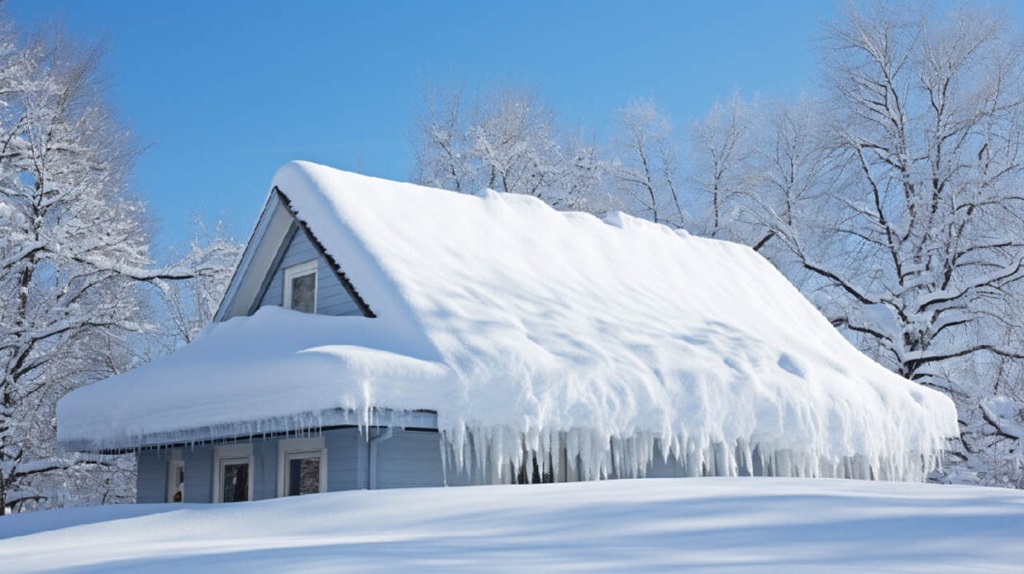
Winter’s beauty often comes with a burden – snow and ice accumulation on our roofs. While a picturesque sight, this buildup can pose significant risks to your home’s structural integrity and safety. Addressing this issue promptly and correctly is crucial to prevent costly damages and ensure the well-being of your family.

Flat Roof Leaks: Causes, Prevention, and Repair

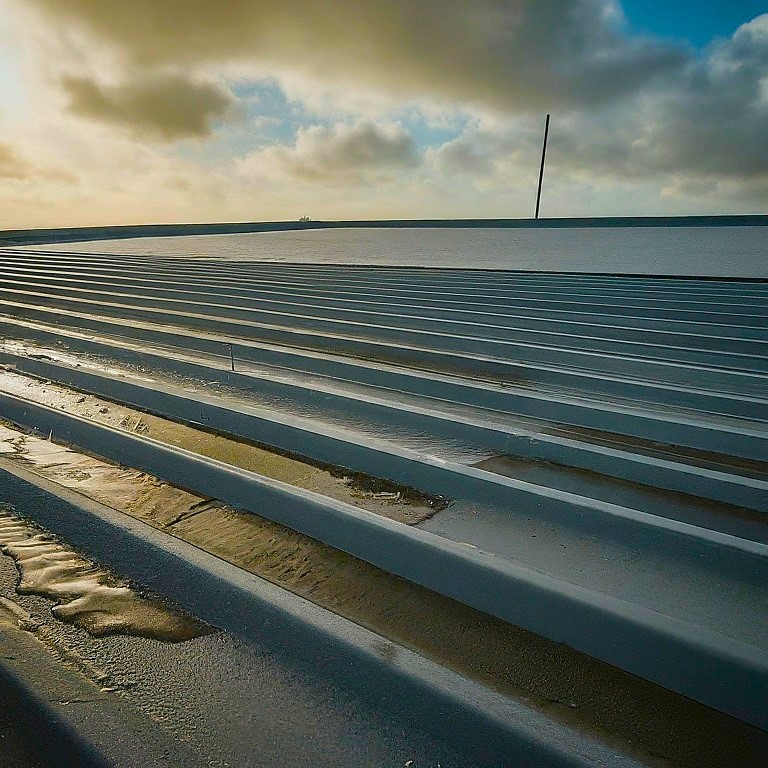
Flat roofs, while offering a modern aesthetic and additional usable space, can be more susceptible to leaks compared to their pitched counterparts. This is because water doesn’t naturally run off; instead, it relies on proper drainage and a watertight membrane to stay out of your home.

Understanding the Enemy: Causes of Flat Roof Leaks

Several culprits can lead to a leaky flat roof. Here are the most common ones:

  • Deterioration: Over time, all roofing materials degrade due to exposure to sunlight, rain, and extreme temperatures. This can cause cracks, splits, or tears in the membrane, allowing water to seep through.
  • Flashing Failure: Flashing is a thin sheet of metal that seals around roof penetrations like vents, pipes, and chimneys. If the flashing is damaged, improperly installed, or corroded, it can create a pathway for leaks.
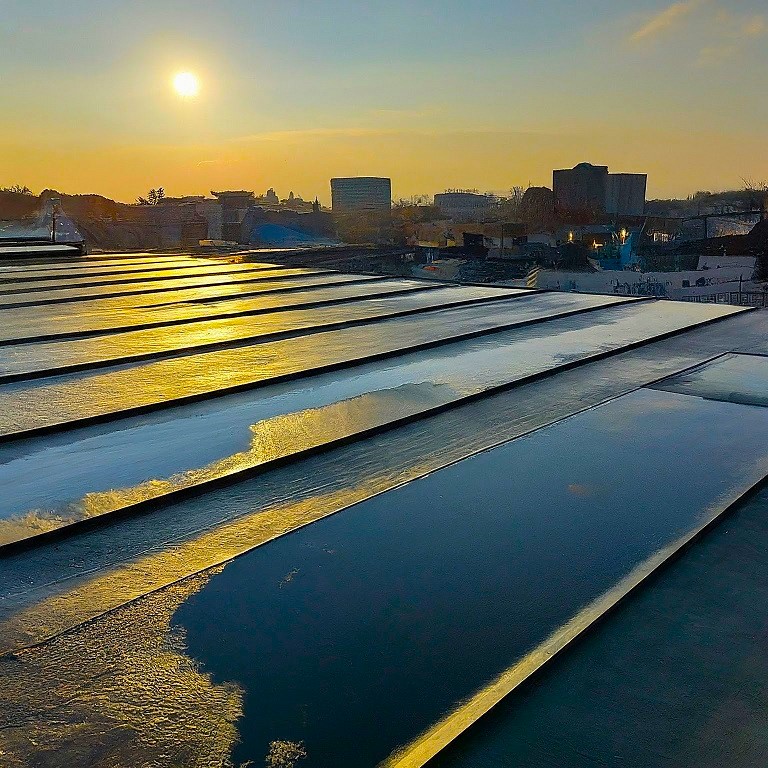
  • Ponding Water: Flat roofs have minimal slope, so proper drainage is crucial. If water accumulates on the roof for extended periods (usually exceeding 48 hours), it can put stress on the membrane and eventually lead to leaks. Clogged drains, debris build-up, or an inadequate slope can all contribute to ponding.
  • Poor Installation: Mistakes during roof installation can have lasting consequences. Improper seaming of membrane sections, inadequate adhesive application, or neglecting to address minor imperfections during installation can all become major leaks down the line.
  • Thermal Movement: Flat roofs experience significant thermal expansion and contraction throughout the year. If the roof isn’t built with these movements in mind, it can cause stress on the seams and lead to leaks.

Flat Roof Leak Repair

Related: The Ultimate Guide to Roof Cleaning

Preventing Leaks Before They Start

Proactive maintenance is key to preventing leaks in your flat roof. Here’s what you can do:

  • Regular Inspections: Schedule annual inspections by a qualified roofer to identify any minor issues before they become major problems.
  • Keep it Clean: Regularly remove leaves, branches, and other debris from your roof to prevent clogged drains and ponding water.
  • Trim Back Overhanging Trees: Branches scraping against the roof can damage the membrane.
  • Moss Removal: Moss growth can retain moisture and contribute to roof deterioration. Opt for a professional moss removal service if needed.

Addressing Leaks: Repair Strategies

If you suspect a leak in your flat roof, it’s crucial to act quickly to minimize damage. Here’s a general approach:

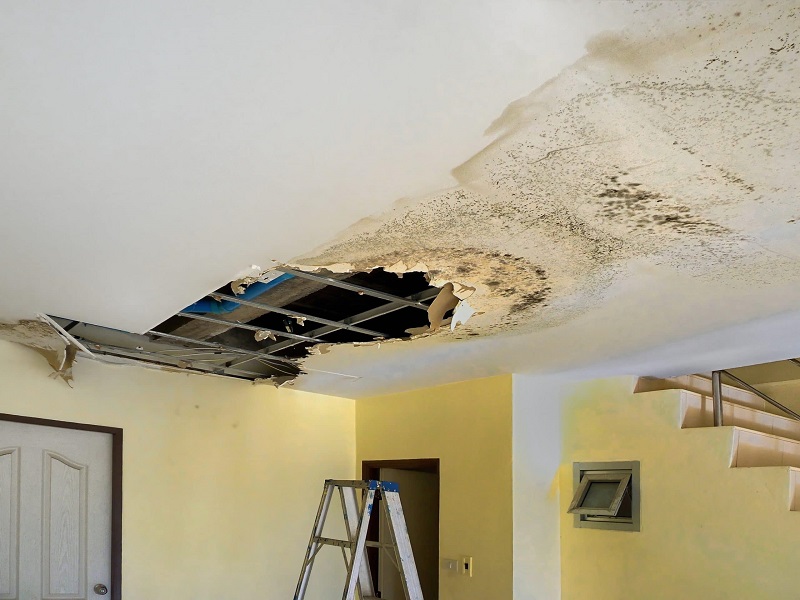
  • Identify the Source: Locating the leak’s source is essential for proper repair. Look for signs of water intrusion inside your home, and inspect the roof for visible damage. A professional roofer can use specialized equipment for more precise leak detection.
  • Temporary Patch (DIY): For small leaks, a temporary patch can take you time until a professional repair can be done. However, this should only be a short-term solution.
  • Professional Repairs: For most leaks, especially larger ones or those involving flashing or membrane damage, professional repair is recommended. Depending on the severity, repairs may involve patching the membrane, resealing seams, or replacing flashing. In extreme cases, a complete roof replacement might be necessary.

Beyond the Basics: Valuable Insights for Informed Homeowners

  • Understanding Your Roof Type: Different flat roof materials (e.g., rubber, TPO, metal) have varying lifespans and require specific maintenance considerations. Knowing your roof type will help you tailor your maintenance strategy.
  • DIY vs. Professional Repair: While some homeowners might be comfortable with minor roof maintenance tasks, attempting leak repairs yourself can lead to further damage if not done correctly. Always err on the side of caution and consult a professional for leak repairs.
  • Roof Warranties: Many flat roofs come with warranties that cover material defects or installation issues. Familiarize yourself with your roof warranty’s terms and conditions to understand what repairs might be covered.

By understanding the causes of flat roof leaks, implementing preventive measures, and addressing leaks promptly, you can ensure your flat roof protects your home for years to come.

Related: Roof Maintenance and Care over the Winter Months

Flat Roof Leaks: Frequently Asked Questions

Q: Why is my flat roof leaking?

Flat roofs are more prone to leaks than pitched roofs because water doesn’t naturally run off. Common causes include:

  • Age and Deterioration: Roofing materials break down over time, developing cracks or weak spots.
  • Flashing Failure: Flashing seals around roof penetrations like vents, pipes, and chimneys. If damaged or poorly installed, it can leak.
  • Ponding Water: Flat roofs with clogged drains, debris build-up, or inadequate slope can pool water, leading to leaks.
  • Poor Installation: Mistakes during installation, like improper seaming or neglecting minor flaws, can cause leaks later.
  • Thermal Movement: Flat roofs expand and contract with temperature changes. If not built to accommodate this movement, leaks can occur.

Q: How can I prevent leaks in my flat roof?

  • Schedule annual inspections by a qualified roofer.
  • Keep the roof clean of leaves, branches, and debris.
  • Trim back overhanging trees that could scrape the roof.
  • Remove moss which traps moisture and accelerates deterioration.
  • Maintain proper drainage to avoid ponding water.

Q: What should I do if my flat roof leaks?

  • Act quickly! Leaks can worsen quickly and cause significant damage.
  • Find the source of the leak. Look for signs inside your home and inspect the roof for visible damage. A professional can use specialized tools for more precise detection.
  • Apply a temporary patch (DIY for small leaks only)to buy time until a professional repairs it.
  • Call a professional roofer for most leaks, especially larger ones or those involving flashing or membrane damage.

Q: Can I repair a flat roof leak myself?

For minor leaks, a temporary patch might be a DIY option. However, for most repairs, especially those involving the membrane or flashing, professional help is recommended. Improper repairs can worsen the leak and lead to more extensive (and expensive) repairs later.

Q: How much does it cost to repair a flat roof leak?

The cost depends on the severity of the leak, the size of the roof, and the materials used. Minor repairs might cost a few hundred dollars, while a complete roof replacement can cost several thousand dollars.

How to Get Solar Panels Installed on your Roof

If you want to reduce your energy bills and reduce your carbon footprint, then a great way to do it is to have solar panels installed. Not all homes are suited to solar panels so the first thing to do is check that yours is. Things that can make them unsuitable are having the wrong type of roof, having a roof that has a loft conversion or having a roof that faces north, as this will not collect enough sunlight.

How many satchels for stone roof? Complete Guide

Stone roofing can be a great option for homeowners who want to keep their homes looking tidy and contemporary. However, it can also be difficult to determine how many satchels per square foot a contractor will need to install to meet your specific needs. Fortunately, there are a few factors you can take into consideration when selecting a contractor to work on your stone roof.

How many satchels for stone roof?

Stone roofing can be a great option for many reasons. One of the benefits is that it can be installed quickly and easily. The downside is that it can be expensive to have the correct supplies and tools available when the job needs to be done right. To make things easier, a satchel charge could help save someone a lot of money. There are 10 satchel charges required for the roof.

How do I determine the number of satchels needed for my stone roof?

When deciding how many satchels to provide for your stone roof, it’s important to know the weight of each material and theming needed. Additionally, consider the specific needs of your home: For a small home with low ceilings and no window openings, a single satchel may be all that is needed. For larger homes with more exposed ceiling and wall spaces, a multiple-satchel system may be more practical.

How to measure the size of a stone roof?

When it comes to estimating the size of a stone roof, several factors need to be considered. These include the type of stone used, its finish (if any), and whether or not any vents or chimneys will need to be installed. Additionally, the weight of the stones and any surface coverings need to be taken into account.

Once all of these variables have been determined, using an accurate scale can help quantify exactly how much work will need to be done for a new stone roof to fit perfectly.

Costs involved in installing a stone roof

Stone roof installation can be costly, depending on the size and type of stone used. The average cost to install a stone roof is $17,170, but can range from $8,810 to $25,825. With so many options available for stone roofs, it can be difficult to decide which one will best suit your needs. However, a few key factors should be considered before making a decision- such as the size of the roof and the budget.

FAQ

How many Spears does it take to Softside a stone roof?

To Softside a stone roof it takes about twenty-three spears. So, for the hard side x10 is 230.

How much sulfur do you need for 10 satchels?

For 10 satchels you may need 480 Sulfur.

Conclusion

Now that you have read the blog content, you will get to know how many satchels are needed for a stone roof. Although it varies from one roof to another, you can always keep the basic rule in mind – add more satchels when it gets difficult to manage the weight or if there’s any cracking or breaking of stones.

Always check your roofs before making any changes and ensure that they are safe for your house. The last thing you want is an accident due to poor maintenance.

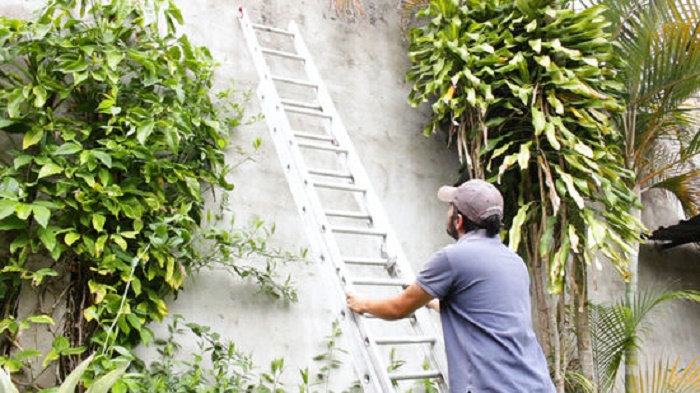
How to Use an Extension Ladder? 7 Tips for Installing

Many times when talking about performing installations, remodeling, and even construction within the home, an internal voice alerts us as. It was something we are not fit for, and, before we also try, we discard the idea of ​​doing it ourselves. One of these many tasks that cause aversion: is the installation of a folding ladder in the roof of the house.

How to stop a roof leak in the rain

The leaks are a nuisance that we usually detect when the rains started. Eliminating them is crucial to keeping our home dry and comfortable. Repair leaks instantly with specialized products, no matter the weather. If we do not have very advanced knowledge in masonry or waterproofing, today there are products that help us fight the problem of leaks with optimal results and quickly. Keep safe your house from extreme weather. Let’s discuss how to stop a roof leak in the rain and roof waterproofing methods.