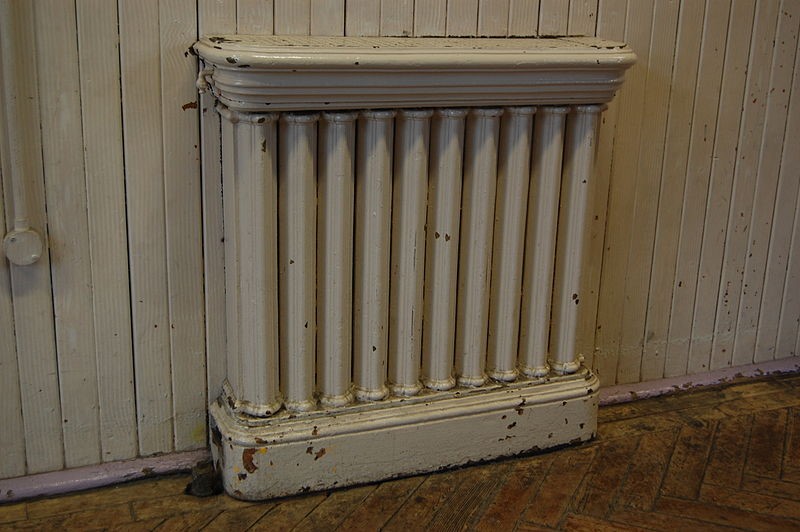
When is it time to replace your radiators?

When did you last upgrade your heating system? If your radiators are around 10 years old, it may be time to invest in new ones. The average lifespan is usually somewhere between 8 and 12 years, and inefficient radiators can push up your energy costs without heating your home as well as they should.

replace your radiators

Image Credit

Unfortunately, your radiators start to corrode over time. This can cause them to fill with sludge that settles at the bottom of the radiator and causes cold spots and trapped air, which prevent your heating from working efficiently.

Is there anything you can do to keep your radiators working efficiently for a little longer? Try these steps before organising a complete overhaul of your heating system.

Extend the lifespan

Regular maintenance of the entire heating system can help to extend the life of your radiators. If you’re in Clifton or Stoke Bishop, organise your Bristol boiler service from a reliable company like https://www.bristolboilerservice.co.uk/. A heating engineer will be able to tell you if your radiators are beyond economic repair.

Ask about a power flush, which helps to clear out any sediment from the system. This can boost the overall efficiency of the system and will help to prolong the life of your radiators. However, a power flush should only be undertaken by a professional.
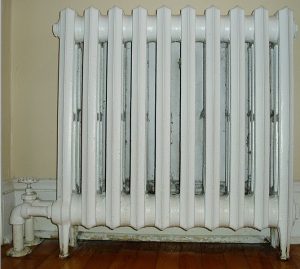
replace your radiators

Image Credit

One process you can try yourself is bleeding your radiators. This is a relatively straightforward procedure, and if you schedule it annually, it can help to remove any trapped air from the system and leave your radiators heating more evenly and efficiently.

Get energy efficient

If you have to replace your radiators, take the opportunity to install an energy-efficient system that will save you money in the long run. Radiator technology has significantly improved to the point where radiators have far longer lifespans and create a highly efficient system when combined with a modern boiler.

Not only do contemporary radiators function more efficiently, but they can add plenty of aesthetic flair to your interior decor. The choice of colours and configurations is endless, and these are radiators you’ll want to show off. Choose double-panel convector radiators to heat your interiors quickly and efficiently.

Don’t despair if your heating system needs an upgrade. Instead, think of the opportunities to save money and energy!


What To Do When Your Home Is Heated Unevenly

Heating your home properly is something you may not always think about, until there’s something preventing that from occurring. When you detect an issue of some kind, you may have a hard time trying to determine what the problem might be.

Unfortunately, that can be tougher to do than you think as uneven heating is a problem that comes with multiple potential causes. The good news is that once you do identify the culprit, the solution for fixing the problem is typically quite simple.

So the next time you are having a problem with your heating and cooling cleveland, these are the parts of the system you’ll want to analyze and diagnose first.

The Vents

Most HVAC systems operate by distributing heated or cooled air throughout the home via a network of ducts that lead to vents where your climate-controlled air enters a room. But if those vents are closed, the air can’t very well get into the room.

So if you detect that your home is just not heating very evenly, you’ll want to take a look at your vents. There could be a couple of solutions to this problem, the first being the most obvious in whether your vent is open or shut. If shut, simply open it up.

If it’s open, you could be dealing with a clogged or dirty vent. You may also want to check if any furniture is blocking the vent and preventing the heat from getting into the room. Dirty vents should be cleaned or unclogged, a blocked vent should have any obstacles cleared away.

Leaking Ducts

Warm air can only enter the room if it’s properly directed to the vent. If your vent isn’t clogged or blocked or closed, you may need to check the condition of the ductwork. Uneven heating can often be a symptom of a duct that is leaking. This is something that occurs in older ductwork and it’s not uncommon to have your air leaking out.

That can reduce the amount of heated air that enters the room, making for a costly and chilly situation. If you suspect you may have leak in your ducts, you will need to have a professional technician to come out and diagnose the problem.

Your Thermostat

Heated Unevenly

There’s a big difference between having your thermostat switched to the “on” position and the “auto” position. So if you feel like there’s uneven heating throughout your home, you may need to just set the switch in the proper position.

Having the thermostat switched to “on” will keep the fans blowing air after the heating mechanism of the system is no longer running. But “auto” will move that warm air through the ductwork when the heating mechanism is operating and actively producing heated air.

Adjusting the switch to one position over another can also be easier on your energy bills since running your heat longer can impact your costs. The thermostat is a major component of your HVAC system, therefore it’s important to check there to see if that’s where your heating issues have originated.

Protect Your Heating System From Ice And Snow

Heating System

Your heating system is there to keep you warm even in the dead of winter. Unfortunately, your system itself might need a bit of protection when storm season hits. When it comes to heating your home properly, you always want to protect the external parts of your system from contact with ice, sleet, and snowfall. Don’t end up frantically calling a new heating installation annapolis just because your heater went on the fritz during a blizzard. To protect your heating system and your home, try these tips for keeping your system protected from the bad weather.

Use the Defrost Cycle

If you use a heat pump to heat and cool your home, you’re using the natural heat from the earth to filter into your house and create a warm, cozy environment. This heating method, however, comes with its own problems. Because your pump uses the ground as a heat source, it’s exposed to harmful outside elements like snow and ice. If you live in a place that’s known for its tough winters, you’re definitely going to be dealing with this issue sooner rather than later. In addition to keeping an eye on your pump each day to make sure it’s not suffering from any external damage, you should turn on the defrost cycle to make sure you don’t deal with a ton of buildup after a storm or a bout of icy rain. The defrost setting should be found on your thermostat. Once it’s initiated, your pump will go through a self-heating process that allows the outer coil to melt off any snow or ice buildup.

Manually Remove Debris

If you’re not sure how to use the defrost cycle or you simply don’t feel like there’s enough snow and ice to necessitate it, you can always check on your pump to see if you can manually remove snow and ice. While it might seem tedious to go out and check on your pump each day, it’s what every homeowner should be doing during the winter, as well as checking the gutters, drains, and roof to make sure nothing has been damaged by a recent storm or snowfall. If you’re noticing a buildup of ice and dirt, using a pick or a blunt tool to remove it could provide an easy fix. For more stubborn ice buildup, using steam or hot water to defrost the outer coil could also work. Even when the weather isn’t wintry, getting in the habit of checking and cleaning off your outer coil is a smart move if you want your heating system to last.

Call a Technician

If your defrost cycle isn’t working or you’re coming up against other issues with your heat pump, don’t try to fix them on your own. Instead, call a technician to take a look at the situation before it gets too crazy. You don’t want to wait through the whole winter to find out that your pump has suffered irrevocable damage due to being encased in ice. You also don’t want your heating system to suffer during the coldest winter months due to something you could easily get fixed.

Tips for running air conditioner in winter season

Now that it seems that the cold has arrived, it is unquestionable that we ask ourselves if our air conditioning equipment will also be useful when temperatures start to drop. With the hot-cold equipment, we have the great advantage of being able to use our air conditioning equipment throughout the year. However, it will be very important to choose the ideal device so that, in addition to warming up on cold nights, respect the environment.

How to keep house cool in summer? Amazing tricks

With the arrival of the summer months, the heat begins to tighten hard and it costs to keep the home cool even in our home. Whether we have air conditioning or if we cannot resort to a series of tricks to try to keep our house as far away from the heat as possible without triggering the energy cost and with it the electricity bill. We reveal how to keep house cool in summer.