How to keep the house clean | 7 tips for a clean house without stress

The immaculate houses portrayed in the magazine or web photos are not real. The real houses, ours, are not residences of representation, but homes lived 24 hours by the whole family. Chasing the idea of a clean house to perfection can be frustrating and make our relationship with household cleaning (and family members) difficult. For it does not happen, we have to set realistic goals that make us feel good.

The Evolution of Glass-Making

When we have our new double-glazed windows installed, we take it for granted that the glass will be the most modern, technologically advanced and durable glass available. But do you ever wonder where it all began?

It would seem that humans have been producing glass objects for much longer than you might imagine. Archaeologists have found artefacts in Eastern Mesopotamia and Egypt that show glass manufacturing was occurring some 3,000BC. Shards of glass vases dating back to the 16th century BC show evidence of hollow glass manufacturing. At the same time in history, similar techniques were being used in Greece, Egypt and China.

As you can imagine, the process was slow, laborious and expensive. It remained a supreme luxury item very much, unaffordable for the masses. The discovery of glass-blowing, however, was a game changer in the evolution of glass-making.

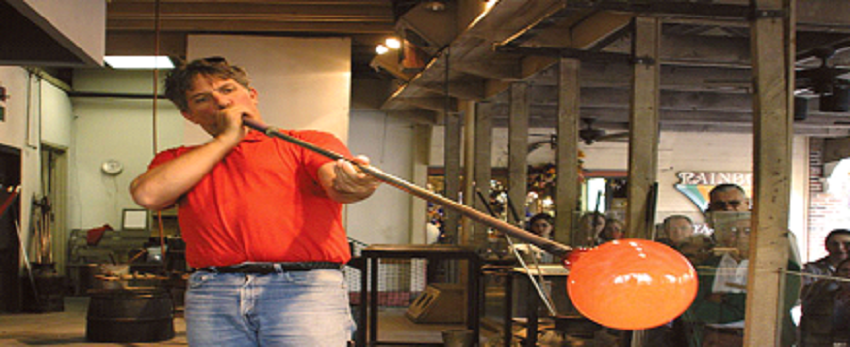
It is said that this method was started by Syrian craftsmen in the 1st century. Glass-blowing was quicker, cheaper and easier for the first time in human history and more readily available for common citizens. These early techniques have changed little since their discovery and ancient traditions and techniques are still employed today.

Glass making took off, especially in the Roman Empire, reaching across to more western swathes of Europe and the Mediterranean. Glass became one of the most important traded objects outside the borders of the Empire. Clear glass was discovered in Alexandria around 100 AD and thus began the use of glass for architectural and building purposes. You could say this was the birth of the glass window. For a Double Glazing Company Evesham, contact https://www.firmfix.co.uk/doors/

The glass-making industry flourished, particularly in Venice towards the end of the 1200s. Glass-making had begun here during the Crusades between 1096 & 1270. During 1291, the industry moved to the Venetian island of Murano, which has been producing world-class glass ever since. Efforts were made to closely guard their glass-making secrets, but knowledge of their techniques eventually seeped out to the rest of Europe.

It wasn’t until the 16th century that glass-making truly became important in England. In 1674, George Ravenscroft invented lead glass, which was a significant advancement in the glass industry. It wouldn’t be until the Industrial Revolution that mass production of glass could begin to take place. Michael Owens invented a mechanical automatic bottle blowing machine in 1903 that could churn out over 2,000 bottles every hour. Ever heard of Pilkington glass? Towards the end of the 1950s, Sir Alastair Pilkington invented a float glass manufacturing method which is still used to make 90% of flat glass today.

Today we see the glass-making industry as a highly technological and advanced industry, but it is has evolved over many centuries to become what it is. A modern manufacturing plant can produce millions of glass items in a whole rainbow of colour choices and for hundreds of different purposes and applications.


What Is the Shelf Life of Silicone?

Silicone is a very versatile polymer made up of repeated units of silicon and oxygen atoms mixed with hydrogen and carbon. Its uses in industry are many, ranging from cookware to plumbing and construction and everything in between. But how long does it last and what is the normal shelf life of a silicone product? Well, that of course depends on many things, such as application and environmental factors, but silicone generally has a considerable life expectancy. The British Standards Industry classifies silicone in Group C, meaning that it has a shelf life of ten years initially.

Image Credit

Silicone is virtually inert, so it doesn’t degrade or react chemically with most things in the environment. According tohttps://en.wikipedia.org/wiki/Silicone, it doesn’t support microbiological growth, and the only things that can break it down are aggressive solvents. In comparison to other types of thermoplastic elastomers and rubbers, silicone is able to keep hold of its physical properties over a longer period of time through numerous use cycles.

Ideal Storage Conditions

All this means is that silicone products can sit on a shelf at room temperature for a very, very long time. But of course these are ideal conditions, and other factors can and are likely to impact on the shelf life, such as humidity, storage, pressure from other stacked goods, packaging and temperature.

Image Credit

After ten years the silicone product, like the one from silicone hose manufacturers such ashttps://www.goodflexrubber.com/pages/silicone-hose-manufacture will need to be tested to see that it is still safe to use. What this means is that it still meets the original specifications of the manufacturer. If it meets the requirements, then it will have to be tested every additional five years.

Temperature


Temperature can impact the service life of silicone considerably. As a general rule of thumb, a rise in temperature of 10 degrees can reduce the service life by half. So a silicone seal that is working at 50 °C might function for eight years, but if you raise the temperature to 60 °C, then it will only last for four years. This also means that if you store silicone in hot and humid conditions, then its shelf life will be reduced to a certain extent. This is turn will lead to a reduction in the service life of the product.

How to Choose the Right Garage Door

Garage doors aren’t an investment to take lightly. They are expensive, and you need to choose the right one to make the most of your money. There are a lot of factors to consider when making the right decision.

Image Credit

The Style of Garage Doors

There are many styles of garage doors. The type you choose depends on the space you have available and how easily it opens.

The Material

The main materials used for garage doors are aluminium, timber, steel and glass reinforced polyester. The main factor in your decision is the exterior of your house. Timber doors aren’t suitable for modern houses and look out of place. The opposite applies for traditional homes. They don’t suit metal doors, and the pairing looks out of place.

Steel doors give you the freedom to paint them any colour you choose to. They are also light and easy to handle. Aluminium doors are also popular choices. Timber doors were once the favourite choice, but due to how easily they rot and the extra maintenance, they’re being replaced by GRP doors. They can be manufactured to give a wood effect.

If you’re unsure about which garage door is right for you, then you can seek the advice of a specialist such as http://garagedoorsrus.co.uk/garage-door-repairs-biggleswade/. They offer solutions and Garage Door Repair in Biggleswade.

Image Credit

Opening Options

Garage doors don’t open in one particular way. There are both manual and automatic options. The automatic options are more popular now, and there are two types to choose from.

A sensor inside the garage door is activated by pointing a remote control towards it. Alternatively, you can use an entry pad with a four-digit code to access the garage. It’s not the most popular option, because to enter the code you need to get out of your car.

The Cost

On average you can expect to pay between £400 and £4000 for a garage door. Larger models should be fitted by a professional, which costs around £300. It’s important to think about how much you’re willing to spend and shop around for the best deal.

By taking all the factors into consideration, you can have peace of mind about making the right decision. Your garage door can last for years, so make sure you choose the right one.

Furnishing the children’s bedroom: ideas for organizing the bedroom

For children, the bedroom should always be a special place. A personal space where to play, study, share, dream. A dedicated room that respects their tastes and leaves room for creativity. It does not necessarily have to reflect the style of the house, but the one most suitable for a child. It must be cheerful, bright, fun, functional and safe.

Different Styles of Whirlpool Baths to Install in Your Home

The shape and style of a whirlpool bath may affect the overall look in your bathroom. However, with a wide variety of choices, you can make the best choice. Depending on where you need the whirlpool bath to be placed, you can give your bathroom an elegant look. There are also a variety of sizes to consider. Here are some types of whirlpool baths to consider.

Small vertical DIY planters wall planters for small spaces

It’s spring! Nature lazily awakens and we with her. And here is renewed (never dormant) the desire to surround ourselves with flowers and plants of all kinds. The lucky ones, owners of large green spaces, will certainly unleash themselves, but even those who do not own a garden can make their own green corner, even if only one wall of the balcony, with vertical DIY planters, made with pallets.