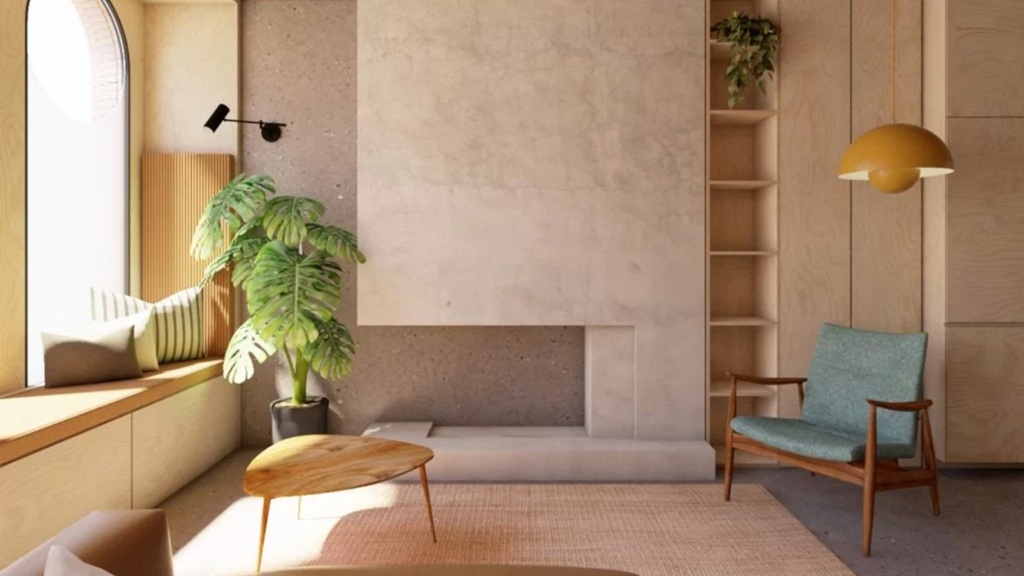

Low-Cost Solutions for Humid Wardrobe Spaces

High humidity in closets can turn your wardrobe into a damp, musty mess. Clothes may develop mold, mildew, or unpleasant odors, ruining your favorite outfits. Fortunately, affordable solutions exist to tackle this issue. At Home Decorations Tips, we understand the importance of keeping your wardrobe fresh and protected. This article explores practical, budget-friendly methods to combat dampness and maintain a dry, organized closet.

Understanding the Problem of Humidity in Closets

Humidity occurs when moisture in the air becomes trapped in enclosed spaces like closets. Poor ventilation, seasonal weather changes, or living in a humid climate can worsen the issue. Damp clothes in closets can lead to mildew growth, fabric damage, and even health concerns due to mold spores. Addressing this problem early prevents costly replacements and keeps your wardrobe in top condition.

For effective solutions to damp clothes in closet from high humidity, you need strategies that are both practical and affordable. By implementing simple changes, you can protect your clothes and maintain a fresh wardrobe space.

Why Humidity Affects Your Wardrobe

High humidity levels, often above 60%, create a breeding ground for mold and mildew. Closets, being small and often poorly ventilated, trap moisture easily. This can come from wet clothes, nearby bathrooms, or even external weather conditions. According to The Spruce, excess moisture in homes is a common issue, especially in basements or areas with high rainfall. Understanding these causes helps you choose the right solutions to keep your closet dry.

Low-Cost Solutions to Combat Dampness

Use Desiccants to Absorb Moisture

Desiccants are affordable, effective tools for reducing humidity. Common options include silica gel packets, activated charcoal, or baking soda. Place small containers of these materials on closet shelves or hang them in breathable bags. Silica gel packets, often found in shoeboxes or packaging, can be reused by drying them in an oven. This method is inexpensive and requires minimal effort.

Improve Air Circulation

Good airflow prevents moisture buildup. Ensure your closet isn’t overcrowded, as tightly packed clothes trap humidity. Leave space between hangers for air to circulate. Additionally, consider installing a small battery-operated fan or leaving the closet door slightly ajar when possible. These steps cost little but significantly reduce dampness.

Dehumidifiers on a Budget

Small, portable dehumidifiers are available for under $50 and work well in confined spaces. Alternatively, DIY dehumidifiers can be made using rock salt or cat litter in a breathable container. Place these in a corner of the closet to absorb excess moisture. Regularly replace or dry the materials to maintain effectiveness.

Store Clothes Properly

Avoid storing wet or damp clothes in your closet. Always ensure clothes are fully dry before hanging or folding them. If you live in a humid area, consider using airtight storage bags for seasonal items. These bags prevent moisture from seeping in, protecting your wardrobe without breaking the bank.

Natural Ventilation Solutions

Opening windows in your home can help reduce overall humidity levels. If your closet is near an exterior wall, crack a nearby window during dry weather to encourage airflow. For closets without windows, a small vented louvered door can improve circulation. These doors are affordable and easy to install, offering a long-term solution.

How To Prevent Dampness in Your Wardrobes and Cabinets

Image Source

Preventing Mold and Mildew Growth

Mold thrives in damp, dark environments, making closets a prime target. To prevent growth, regularly inspect your closet for signs of mold, such as musty odors or dark spots. Wipe down surfaces with a vinegar-water solution, which is a cheap and natural antifungal agent. Additionally, avoid stacking items tightly, as this restricts airflow and traps moisture.

For more insights on mold prevention, Better Homes & Gardens recommends maintaining humidity levels below 50% in storage areas. Using a hygrometer, a low-cost device, can help you monitor closet humidity and take action when levels rise.

Organizing Your Closet for Dryness

A cluttered closet traps moisture and makes it harder to spot dampness issues. Start by decluttering and removing items you no longer need. Use breathable storage solutions like cotton or canvas bins instead of plastic, which can trap moisture. Cedar blocks or lavender sachets not only repel moths but also absorb small amounts of moisture while adding a pleasant scent.

Maintaining Your Closet Long-Term

Consistency is key to keeping your wardrobe dry. Check desiccants or dehumidifiers monthly and replace them as needed. Clean your closet regularly to remove dust, which can hold moisture. If you live in a particularly humid region, consider running a dehumidifier in your home during wet seasons. These steps ensure your clothes stay fresh and damage-free.

FAQs About Humid Wardrobe Spaces

1. How can I tell if my closet has high humidity?

Look for musty odors, visible mold, or damp clothes. A hygrometer can measure humidity levels accurately.

2. Are silica gel packets safe for closets?

Yes, silica gel is non-toxic and safe for use around clothes. Ensure packets are intact to avoid spills.

3. Can I use a household dehumidifier for my closet?

Yes, but small, portable dehumidifiers are more practical for confined spaces like closets.

4. How often should I check my closet for dampness?

Inspect monthly, especially during humid seasons, to catch issues early and prevent mold growth.

5. What’s the cheapest way to reduce closet humidity?

Using desiccants like baking soda or silica gel is the most cost-effective solution, often costing less than $10.

Conclusion

Keeping your wardrobe free from dampness doesn’t require expensive solutions. By using desiccants, improving airflow, and organizing your closet, you can protect your clothes from high humidity. Regular maintenance and simple tools like silica gel or small dehumidifiers make a big difference. Implementing these low-cost strategies ensures your wardrobe stays fresh, dry, and odor-free, saving you money and preserving your favorite outfits.

Read More:

Amaranth color: 10 interesting ideas for the living room

Furnishing a studio apartment: 8 style ideas

Featured Image Source

Pet-Friendly Flooring Colorado Springs Homes

Choosing the right flooring for pet owners in Colorado Springs requires careful consideration of durability, comfort, and maintenance needs. The high-altitude climate and active lifestyle in the Pikes Peak region present unique challenges for homeowners with furry companions. Colorado Springs Home Living provides valuable insights for residents seeking the perfect balance between pet-friendly functionality and home aesthetics.

Reaping The Rewards Of Artificial Grass Cheltenham

Offering numerous benefits, Artificial Grass Cheltenham supplied and installed by an experienced, reputable, local, supplier such as luxury-lawns.com/artificial-grass/cheltenham/, is a cost-effective, affordable, low-maintenance solution to gardens of all shapes and sizes in and around the Regency, town of Cheltenham Spa.  Pet and child-friendly, artificial grass needs no mowing, weeding, cultivating or watering and is perfectly safe for Hay fever sufferers who previously struggled with the high-pollen counts from any freshly-cut grass.  Especially designed to withstand heavy traffic and adverse weather conditions, artificial grass also reduces water, pesticide and fertiliser usage, and dramatically lowers greenhouse gas emissions from lawnmowers, strimmer and leaf blowers.   Requiring minimal effort compared to natural grass, saving time, effort and money, property owners who invest in Artificial Grass Cheltenham are reaping the rewards of their smart choices.  Staying green and vibrant all year round, regardless of weather conditions or the amount of wear and tear, these home and business owners have green gardens and spaces to be proud of.  Ideal for all the more mature or vulnerable Cheltenham Town residents who remain fiercely independent and live in their own homes throughout Cheltenham.  Sports grounds in Cheltenham enjoy a consistent playing surface all-year-round with the use of Artificial grass because it provides all-weather performance and can also be more environmentally sustainable.  With an even playing surface and shock-absorbing infill it can also reduce the risk of player injuries, especially those associated with tripping or falling.

Which Radiant Floor Heating Systems Are Best for Your Home? An In-Depth Guide

Radiant floor heating, a method of warming homes by embedding heating elements beneath the floor, has gained popularity for its comfort and efficiency. Unlike traditional forced-air systems, radiant floor heating delivers consistent warmth from the ground up, creating a cozy environment. This 2500-word article delves into the history, current applications, benefits, challenges, real-life experiences, and future trends of radiant floor heating, answering whether it’s a good option for homes. With detailed insights, reviews, and FAQs, this guide equips homeowners and builders with the knowledge to evaluate this heating solution.

Crafting Comfort on a Budget: Navigating the World of Cheap Living Room Sets

The living room, often the heart of a home, is where memories are made, stories are shared, and relaxation is paramount. Yet, furnishing this space can be a daunting task, especially when budget constraints loom large. The search for “cheap living room sets” is a common quest, a desire to balance affordability with style and comfort. This article aims to guide you through this journey, exploring the nuances of budget-friendly furniture, offering practical advice, and addressing common concerns.

How to Choose Curtain Color: The Ultimate Guide to Transforming Your Space

Why Curtain Color Matters Curtains are more than just functional pieces in a room—they’re statement-makers. Choosing the right curtain color can dramatically alter the mood, functionality, and aesthetic appeal of a space. According to a 2023 survey by Houzz, over 65% of homeowners believe that window treatments significantly impact the overall look of a room. But with countless colors, patterns, and fabrics available, how do you pick the perfect one? This ultimate guide dives deep into the art and science of selecting curtain colors, offering actionable advice, pros and cons, and answers to frequently asked questions.

Unveiling the Art of Textured Plaster: Choosing the Right Paint, Techniques, and Timeless Appeal

Textured plaster walls, a captivating blend of artistry and functionality, have graced interiors for centuries. They offer a unique tactile experience, adding depth, character, and a touch of old-world charm to any space. But navigating the intricacies of painting these surfaces, understanding the creation process, and discerning their current relevance can be daunting. Let’s delve into the world of textured plaster, demystifying the best paint choices, application techniques, and its enduring stylistic power.

Unveiling the Perfect Canvas: Choosing the Best Finish for Textured Walls (And How to Create Them!)

Textured walls have made a resounding comeback, offering a captivating blend of visual depth and tactile intrigue. They transcend the mundane, transforming ordinary rooms into spaces brimming with character and personality. Whether you’re aiming for rustic charm, modern sophistication, or a touch of old-world elegance, the right finish can elevate your textured walls from simply interesting to absolutely breathtaking. But with a plethora of options available, how do you choose the best finish for your unique vision? And, for the adventurous DIY enthusiast, how do you even create these captivating textures in the first place? Let’s delve deep into the world of textured wall finishes, exploring the best options, the art of creating textured plaster, and answering all your burning questions.

Embracing Nature Indoors: Unveiling the Essential Elements of Biophilic Design for a Harmonious Home

In our increasingly urbanized world, a profound disconnect from nature has emerged, impacting our well-being in subtle yet significant ways. Biophilic design, a revolutionary approach to architecture and interior design, seeks to bridge this gap by consciously integrating natural elements into our built environments. This article delves into the core principles of biophilic design, exploring its key elements, engaging the five senses, and offering practical insights into creating a biophilic home.