How does vacuum cleaner works? tips for regular user

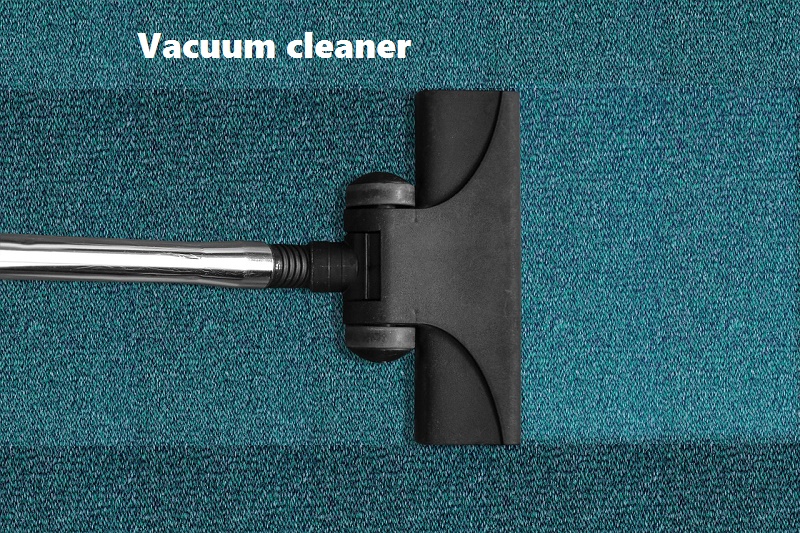
The world of cleaning has evolved with the appearance of vacuum cleaners. These small machines have been making their way in this last time, to enter our homes and make our lives a little easier. The vacuum uses the most cutting-edge technology to clean any corner of the home, saving us time and effort. Here, we bring tips on how does vacuum cleaner works. 

Your Stain Removal Guide For Carpet

Homeowners who put a lot of time and money into purchasing long lasting carpet are always at risk of having that carpet ruined by any number of potential risks that can lead to stains. It could be spilled juice, a wine glass knocked over, even a pet that might have an accident in the house, all of these things can have a detrimental impact on the look, feel, even the smell of your carpet.

But the good news is that even the toughest stains can be removed, as long as you take the appropriate steps towards prevention and, should that ultimately fail, know what to do to lift the stain and remove it entirely.

We’re going to cover both in this guide for removing stains from your carpet. Each one has a role to play in keeping your carpet in the best shape possible. You don’t need to let stains ruin your expensive floor covering, you can take the necessary precautions and restorative actions to ensure your carpet is always at its best.

Spot Cleaning

The best way to keep stains off your carpeting is to prevent them from setting in the first place. That means getting at spills and messes instantaneously, the second they hit the surface of the fibers. You don’t have a moment to lose, the longer you allow liquids, substances, or solids to remain on your carpet, the more likely a stain will set and remain there until you take further action.

The trick is to absorb as much excess moisture as you can so as to prevent it from wicking into the carpet and damaging the fibers. Once you have picked up as much of the mess as possible, you can apply a cleanser to the spot and clean it thoroughly.

Blot, Don’t Wipe up The Spill

Blotting or rubbing. Which is best? The answer is blotting. It’s the first thing to remember when you’re picking up any spill or mess from a carpet. Gentle blotting will absorb the moisture and keep it from soaking into the fibers or backing material.

This is very important to help keep from letting the stain set in. Rubbing or wiping will only drive the mess deeper into the pile of the carpet and assist the stain in setting. You want to avoid this at all costs, of course.

Removing Stains

Whatever the stain, there’s a way to remove it. But some stains are easier to eradicate than others, while some can be extremely stubborn. It’s true that you can’t get out all stains entirely, that depends on what it is you’ve spilled and how long you’ve allowed it to remain.

But the only way to find out whether or not you can lift the stain is to try first. That often requires you to flush the stain to help dilute and eventually remove it. This technique may work with red wine, fruit juices, even blood, and other tough stains.

All you need is a little warm water or club soda, either one can prove successful but be careful when you try to flush that stain. Too much moisture can get trapped beneath the carpet and cause moisture-related issues like mold or mildew to emerge. If this happens, you could be forced to remove the carpet entirely.

Flush the stain but be careful about using too much, don’t saturate the carpet.

Now what about the liquid or substance that’s been spilled? Surely there are special instructions you should follow to lift certain types of stains out of your carpet. Here are just some of the most common messes and how you should deal with them:

Nail Polish

This one is pretty simple. Instead of using water or club soda as mentioned above, apply some nail polish remover to the area and then blot gently until the stain comes out.

Dog/Cat Urine

After you’ve blotted the area dry and picked up as much of the urine as possible, you need to eradicate both the stain and the smell from the carpet. To do that, mix equal parts white vinegar and water to the area. After that, use a half teaspoon of clear detergent (no bleach included) mixed with about 32 ounces of water and rinse the area clean. Blot the moisture to keep it from soaking through the backing material.

Stubborn Stains

For those stains that just won’t lift no matter how much flushing and application of mixtures you try, it’ may be time to call your local Five-Star Chem-Dry to let the professionals come in and use their heavy-duty equipment and cleansers to lift those stains right out of your carpet fibers.

Beautiful romantic decorating ideas for valentines day

It’s going to be February 14 and it is sure that many are wondering, how to decorate for Valentine to have a dinner or romantic meeting with that special person. Whether you do yours at home, in your room, on the patio or anywhere else, you can not stop yourself from enjoying the atmosphere. Save the romantic decorating ideas for valentines day that we presented here.

Why You Should Upgrade Your Air Conditioning During Winter

When it comes to heating your home, there is a lot to think about with respect to the condition of your system, maintaining it properly, and knowing the best time to get critical work done without having to suffer through living in the cold.

It’s a similar situation with your air conditioning. As long as you take care of your HVAC unit, the unit will take care of you and your family. But getting work done at the right time is crucial for ensuring that you remain comfortable when the temperatures increase and the hot summer sun is heating everything up both indoors and out.

You may already be considering getting your air conditioning upgraded, but before you start asking yourself about finding heating service and repair near me, you’ll want to know when to have the work done without suffering through any service interruptions. The bottom line here is simple – choosing to get the work done before the summer months arrive is the best way to make sure your HVAC system is operating properly when you need it most.

You’re not going to be running the air conditioner during the winter, so any upgrades should be performed when it’s too cold to use it. But getting the work done in the colder months brings about other reasons why you should choose the winter and not the spring or the summer:

Fewer Scheduling Conflicts

Let’s face it, when the air conditioner decides to break down it’s always the most inopportune time. That can make scheduling a service call tough since you’ll be forced to get in line behind other customers who need their own units fixed. Calling your preferred technician in the summer can be a challenge when you need to upgrade your air conditioner.

You are left struggling to get on the calendar and that can push back your upgrade, leaving your unit insufficient to provide you with adequate cooling during the hottest time of the year. But when you have the service performed in the winter, fewer customers are calling the technician to come out and do the same work and that can make it much easier to have your HVAC system repaired or replaced.

That way your system is ready to do the work you need, when you need it to most. This can make you feel reassured that your upgrade will be ready and you won’t need to worry about the unit malfunctioning during the summer.

Doing Your Homework

Having your system upgraded in the winter gives you the opportunity to do your due diligence into what you need to have done and getting the best price on the parts and labor. But first, you want to get an expert into your home and have that individual assess the property and give you their recommendation as to the work you need done.

During this time you can start to inquire about the pros and cons of certain elements of the system you currently have installed and the factors that need to be considered for an upgrade to that system. Some of the considerations you need to keep in mind are the energy efficiency of your HVAC unit and how age plays a role.

Older systems are usually out of date due to old technology and components that lack the features and benefits that newer models provide to homeowners. If your system is around a decade or older, you should begin to think carefully about whether or not an upgrade is right for you. Updated systems run smoother, smarter, and cheaper than those relics that were manufactured when you first moved into the house.

Now is the time to research your options for an upgrade and check out all of the new technological advancements that have occurred in HVAC heating and cooling in just the last decade. Not only will you be saving money in operating costs but you may be saving even more due to reduced energy costs.

Your technician can walk through all of the new features on the latest heating and cooling systems, explain what these features offer and how they work, and above all, help you decide on making the best choice for your home with respect to your budget and your needs for cooling down your home in the hot summer months.

So as the days get shorter, the nights get colder, and the snow and sleet both start to fall, it’s time to start thinking about the summer and make sure your air conditioner is ready to work.

Can You Expect Energy Savings With New Windows?

The cost to replace windows is nothing to be taken lightly. Depending on the size of the job, window replacement can be rather expensive but while the financial component of any home improvement effort is highly important, you must also look towards the future as well.

Replacing richmond windows with new, more energy-efficient versions can be a smart investment, one that allows for significant energy savings, as well as lower maintenance and repair costs. So while you’re debating the merits of window replacement and the costs associated with such a project, consider the following potential benefits you can expect to enjoy with respect to money saved versus money spent.

Reduced Energy Costs

For homeowners toying with the idea of replacing the windows in the home, this is usually the most influential reason for ultimately saying yes to such a project. Windows that aren’t sealed correctly or have even the smallest of cracks or gaps between the frame and the side of the house can run up your heating bill in the winter and your cooling bill in the summer.

That’s because air escaping the home can cause your HVAC system to run longer than it normally would since those compromised windows in your home are allowing your expensive, climate-controlled air to just slip outside.

New windows can prevent this from happening as they don’t have the issues that older windows might have, causing you to literally throw you money out the window.

Fewer Repair Costs

When old windows are in disrepair, they’re far less efficient with the energy in your home. Poor functionality, broken seals, misalignment issues, all of these things can be eliminated with window replacement. Windows that aren’t operating correctly or have sustained damage of any kind should be removed and replaced by new windows that work properly and don’t have broken panes or cracked frames or sashes.

When you leave your old damaged windows in the home, you’re not just letting increasing your energy costs and letting your air get outside, you’re also inviting the outside to come in. That could cause additional problems and you may risk further issues with the introduction of water damage into the replacement window debate.

Water damage can occur when moisture and precipitation are allowed to seep into the home and permeate walls, floors, and ceilings. If and when that happens, you won’t just be spending more on energy costs, you can also expect to shell out even more of your hard-earned cash to repair the areas of your home that have been affected.

Less Maintenance Expenses

Your energy savings can be pretty significant with new windows. But you can also save on maintenance costs of the home when you replace your current windows. It all depends on the type of material you have in the home now compared to the various material options that are available.

Wood is found most often in older homes. These frames are sturdy and resilient but they can also break down over time, causing the frames to shift in place and splinter or crack. When that occurs, watch out, your purse is about to get squeezed for more dollars and cents.

In order to avoid that from happening, you could be paying more just to maintain your frames and keep the paint from peeling off. Reparing that work means you need to call in a professional to sand, stain, and/or paint the frames again. Guess what, you may end up having to do it all over five to ten years from now.

But when you put in vinyl windows or another material that is far more resilient and energy efficient, you reduce the costs associated with routine upkeep and repair, while also ensuring that your windows are saving you money on utility bills in the process.

Multiple Panes

Another way that new windows can help you reduce your costs is by putting in replacements that come with more than one pane. Double and triple pane windows are manufactured to combat air escaping through the glass. Windows are a lousy insulator and when multiple panes of glass are installed, that can make it harder for heat or cool air to slip out.

In addition to those multiple panes, argon or krypton gas is installed in between them, making it even tougher for the air to get out. New windows can prevent your heat or cool air from slipping outside through one of the most common components of any home.

So when you are searching for new windows, consider options that have double or triple pane construction. That way you can expect energy savings for years to come.

 

Should You Repair Or Replace Wood Fences?

The decision to build a fence is often much easier than making your choice between repairing or replacing it entirely. The first indicator to help in the decision-making process is usually a financial consideration. Who wants to spend all their hard-earned money to call a Richmond fence company and have someone come out to do all that work on their fence?

We all like to save some green where we can, so the question of repair versus replace is all too often answered with a cost comparison of the two. Repair will always come out on top in that department, but it’s not always the right answer. That’s because repairing your fence may be a temporary fix that only serves to kick the proverbial can down the road, so to speak, when replacing it will become more urgent at a later date.

In some cases, you may not want to take that added step of repairing your fence before an eventual replacement just a few months or years down the line. You’re trying to save money, why pay to have it repaired AND replaced if the latter is really the more effective plan of action?

Repair vs. Replace

We don’t need to go into the specifics of what each of these entails. Repair fixes up your current fence, replacing it gives you a brand new fence on the property. But the choice of going with one over the other comes with other considerations that you need to take into account.

For instance, the amount of repairs your fence might need can play a role in your decision. If it’s something as simple as a few fixes and a fresh coat of paint, the choice is pretty obvious. But if the fence is in serious disrepair and needs complex and costly fixes over a large area, you may want to replace it instead. That may even be cheaper than repairing it.

Perhaps you’re just tired of the way it looks. The style is outdated or you would like to move the fence from its current location. Both of these scenarios would suggest that a replacement is in order as repairing the fence wouldn’t achieve the desired result.

Typical Fence Repairs

Wood is a sturdy and reliable material that also comes with certain characteristics that make it vulnerable to sustaining damage. Being that it’s a natural material, wood is susceptible to a wide range of impacts from the wear and tear of outdoor influences from direct sunlight to the repeated effects of moisture from inclement weather. Insects can also damage wood in ways that can make the fence weak and rickety.

So when you’re considering what to do with your fence, take a good long look at it first. Does it appear cracked, warped, splintered, or badly discolored? If so, then you’re going to need to take steps to have it repaired and avoid further damage from being done in the future. But it’s important to determine the reasons for the damage so you can eliminate that component first, then you can start to make the repairs that need to be made.

Once you eliminate the source of the damage, you can then start to implement the repairs necessary. But keep in mind as well, some types of damage are not so easily fixed and replacement may be your only viable option.

Holes, cracks, and splintered areas can be fixed by patching the affected areas with a wood filler of some kind. Using a wood filler may not leave behind a seamless aesthetic, you’ll most likely be able to see where the repairs were made, but painting over it all can help conceal the fixes a bit more easily.

Warped boards or rails can’t really be repaired, those will need to be replaced. This, too, will be evident on your fencing as you’ll be able to identify the new boards from the old ones. Repainting the entire thing is usually the best way to solve that issue.

The Most Common Reasons to Replace

We’ve mentioned a few reasons you may replace your fence above already. But a good overall rule of thumb when you’re still not fully sure which way to go as to repair or replacement is to diagnose the condition of the affected areas of the fence. If it turns out you need to repair roughly 20-25% of your fence, then you really need to replace it instead. That’s just too much repair work to do.

You may also choose to replace the fence if it’s failing to do what a fence is supposed to. Maybe it lacks the privacy or protective attributes that you placed it there for in the first place. If so, it’s time to replace.


How To Maintain Rugs And Carpet In High Traffic Areas

Carpeting can be a tougher thing to clean than hardwood floors simply due to the fact that your carpet fibers can get so easily stained while flooring typically won’t absorb such discolorations due to high foot traffic.

But high traffic areas on carpet can start to show up pretty quickly if you’re not dedicated to the task of preserving the look and feel of your carpet through simple cleaning and maintenance. When you purchase carpeting for the home, you should do so with the understanding that you’re prepared to care for it accordingly.

For those homes that see an abundance of foot traffic throughout each room, this can be a greater challenge as more individuals walking and playing on the carpet brings the potential for a higher risk of spills, accidents, and the stains that can so easily be left behind as a result.

Not to mention the consistent routines of ground-in dirt and bacteria that can get buried deep inside the carpet from so many shoes walking across it. You may think carpets are designed to withstand the punishment that comes with all that foot traffic, but even the most high-tech carpets outfitted with all kinds of coatings and stain-resistant enhancements can still begin to show premature signs of aging and wear and tear if you fail to do your part as to administering even sporadic cleaning and maintenance.

When dirt gets ground into the fibers of your carpet with any type of regularity, those granules and particles will begin to physically damage the fibers and begin to show up as dark spots on the surface of your floor covering. Unfortunately, you can never clear away these dark areas because the fibers have been permanently damaged. Those aren’t stains you’re seeing, so you won’t be able to lift them up.

Now that you know the dangers of failing to maintain your carpet, let’s avoid them by going over the best methods for keeping your rugs and carpet in peak performance.

Keeping Appointments

Your weekly calendar is filled with a variety of meetings, events, and other appointments you just can’t miss. Homeowners who have a lot of foot traffic moving through the house need to start adding another can’t miss appointment to their schedules – cleaning their carpets.

You’ll want to vacuum your carpet at least once a week, perhaps more if your home has children and pets. Vacuuming eliminates all the dirt, grime, hair, dander, and germs that can easily get trapped in the fibers of the carpeting and remain there. Remember, dirt accumulation can have a long-term impact on the condition of your fibers.

While you don’t need to do this on the same day every week, you really should do it on a weekly basis.

Shampooing your carpet should be done on a monthly basis to help lift up any pesky stains that might have remained from a recent spill. A monthly shampoo treatment can also have a beneficial effect on eradicating any bacteria that may be lurking in your fibers. Both vacuuming and shampooing are essential for maintain a rug or carpet in a high traffic area of the home.

But these are not enough to keep a carpet looking as good as new for as long as you own it. You will also need to schedule a professional deep cleaning once or twice a year. This type of maintenance may even be recommended by your carpet manufacturer and you could void the warranty that came with your carpeting if you fail to do so. When the time comes to have your carpets deep cleaned, give

Green Dog Chem-Dry in Chesapeake,  VA a call and we’ll perform the work that needs to be done in accordance with your warranty and to negate the effects of all that high foot traffic throughout the year.

Take Action

This may sound like simple common sense, but the other effective method for maintaining your rugs and carpet is to keep those spills and accidents from having any sort of lasting effect. That means springing into action the second something hits your carpet.

The quicker you act, the less likely a stain will set in as a result. Clearing away those messes right as they’ve happened is still the best solution. But just be sure you clear them away properly, meaning no wiping or rubbing. Blot blot blot at that spill, gently absorb the excess moisture that has been left behind so it doesn’t soak into the carpet fibers or backing material.


Factors That Can Impact Cost For Window Replacement

Getting a replacement window installed before the bad weather hits is a great idea if you want to protect your home. However, before you search for the best replacement windows in Richmond, you should take some time to consider your budget and figure out what kind of window you actually need. Not all replacement windows are created equal, and there’s no point in spending your hard-earned money on a window that won’t last you through the winter. It’s a much better idea to create a realistic budget based on your specific needs, taking climate installation costs into account. Before you buy, here are a few factors to be aware of when searching for the right replacement window.

Material

Before you purchase your window, you’ll want to create a budget. While you can find great windows at any price, having a set price frame in mind will help you figure out what kinds of materials are available to you. For instance, though you might have your heart set on wood, fiberglass might do as good a job at a lower price. However, if you live in a dry, hot climate and you need extra protection against the heat, it might make sense to splurge on wood frames for your windows. Before you choose a material, think about how it might affect your home’s internal temperature. For instance, if you live in a damp climate, choosing metal over wood could help prevent moisture buildup and rot. On the other hand, if you have a lot of rain during the spring and long, hard winters, you’ll need to make sure you don’t choose a material that’s susceptible to rusting.

Window Style

You might be focused more on function than style at first, but make no mistake: Style is incredibly important, especially if you’re trying to put your own touches on a home you’ve just moved into. While the size of your window might limit you as to stylistic choices, you still have a variety of options open to you in most cases, such as casement windows, which are great at catching the breeze, double-hung windows, which have a traditional look, and fixed picture windows if you don’t want the option of opening and closing your window. Whatever you decide, make sure you’re happy with your choice. You want your replacement window to last a long time, so don’t be too hasty with your decision.

Climate

Your home climate may be the most important factor in regard to your choice. Your home might be brand new or decades old: No matter how long it’s been standing, it needs the right protection against the elements. You wouldn’t choose a window material that’s known for conducting heat if you already live in a warm, muggy climate. Likewise, you wouldn’t choose a more sensitive material like wood if you live in a moist, wintery climate. Protecting your home from harmful elements like mold and mildew can become a full-time job if you’re not careful. Choosing the right windows can drastically cut down on your weatherproofing tasks each year. You can also increase the thermal capacity of your home simply by making sure to pick the right materials.

Size

Even if you have grand visions of how you want your new windows to look, it’s not entirely up to you. You’re most likely going to be working with pre-existing windows of all different shapes, sizes, and types. That means that when the time comes to replace your windows, you need to work within these constraints. For instance, if you want to install a casement window where a small fixed window used to be, you might run into some trouble. Similarly, trying to install a giant picture window in the space of a medium-sized double-hung window might not be the best use of your time or resources.

Installation

Remember, even if you think you’re ace at installing windows, chances are you’ll need to invest in someone to help you do a proper installation. So many homes suffer from poor insulation and long-term damage simply because their brand new replacement windows weren’t installed correctly in the first place. You can’t afford to let this happen to you. Wherever you get your windows, ask about installation help and pricing. If you add the cost of a professional installation into your budget, you’ll be able to think of it as a necessary expense. The phrase ‘save now, pay later’ is especially relevant when it comes to installation fees. Even if you don’t want to spend the extra cash on installation, it’s worth it in the interest of protecting your home in the long term.


How To Strip And Refinish Kitchen Cabinets

You walk into your kitchen one day and realize that your cabinets look awful. But you’re not really in a position to spend a whole lot of money on a full-scale remodel. That’s okay, it doesn’t cost a whole lot to reface kitchen cabinets, not when you do it yourself.

Perhaps you’re thinking you don’t know the first thing about cabinet refinishing la habra ca and that’s all about to change right here and now. The following easy steps can tell you what you need to know about stain removal and refinishing your cabinet doors and drawers so they look as good as the day you moved in.

Let’s begin with the most basic of tasks: removing the doors and facades.

Preparing Your Kitchen

You’re going to unscrew all of the doors and drawer fronts that need to be worked on. Don’t lose those screws either, put them in a cup or some other container so they don’t disappear. Next, take off the hardware and place it all into soapy water. Let it soak as you’re going to need to remove any grease or residue that has accumulated all these years.

Scrub the hardware if necessary and then set it aside to dry. From there, you’ll want to do a complete examination of the remaining area of your cabinetry. Do you detect any damage or cracked surfaces? If you find any, stop right here as you may need to have a professional come in to take a look and possibly repair or replace the cabinets.

Stain Removal

You need to first check that your selected stain remover is safe for indoor use and always wear proper protective gear in the form of goggles and rubber gloves. Once you’re all set, you can begin to apply the stain remover with a brush or sponge.

Once it’s all been applied, take a piece of sandpaper and start sanding the surface to take off the old finish. Do this until you’ve taken off as much of it as you are able. When you’re done, you’re going to do it all over again and apply another coat. But this time, you’re going to cover it all in wax paper and leave it there for about 30 minutes.

From there, remove the wax paper and discard. Wipe and rinse the cabinets and sand again as you did the previous time.

Apply Sealant

Now that you’ve stripped and sanded on your wood, now you need to seal it. That will help to preserve and enhance the wood so it can be fully protected and ready for the new finish you plan to apply on your cabinetry.

Add the sealant to the wood as per the instructions printed on the label. Apply it and then let it sit there until the sealant dries completely. Don’t jump the gun here, let the sealant dry before you do anything else.

Time to Refinish

Now that your sealant has dried, it’s time to give your cabinets a brand new look. How you go about doing this is entirely your call. Some homeowners will simply apply a similar stain to the cabinets as the one they just removed. It keeps your kitchen looking consistent and doesn’t alter the appearance of the room.

There’s also the option of painting your cabinets and doing just the opposite by implementing a significant change to the décor of the room. In either case, you’re going to prepare the cabinets in much the same way as you did when you stripped them. Get the gloves and goggles on and follow any instructions on your chosen can of stain.

Apply your stain or paint evenly with a brush and let dry. Depending on the look you’re going for, you will follow that initial coat with subsequent follow-up coats to get the rich deep luster you want for your cabinets. Painting the cabinets shouldn’t take up much time just be sure you have plenty of tarps lying around and enough patience to complete the job to your satisfaction.

Replace the Hardware

Now that your cabinets have been refinished you need to replace all of your hardware. But you can give your cabinets a whole new look by putting on all new hardware. Swap out the knobs and handles for brand new models that give your cabinets a freshened-up appearance.

Just be sure you’re choosing hardware that matches the existing drill holes that already exist, otherwise you could be adding an extra step here and drilling new holes to accommodate the new gear.

Will A Backup Generator Be Useful During A Power Outage?

Any homeowner who has been forced to live without electricity in their home for any length of time knows how difficult it can be. When there’s no power available, you quickly realize how much we depend upon it for even the smallest of purposes. But while there’s the instant inconvenience of having no electricity to run lights, appliances, and electronic devices, you may also be forced to endure extreme temperatures for lack of a working heating or cooling unit.

That’s why more homeowners are making the decision to purchase an emergency generator for those eventualities where the power goes out and everyone is left fumbling around in the dark.

Power outages can occur for any number of reasons. Consider first where you live. Is your residence located in an area that gets inclement weather severe enough to knock out the electricity from time to time? Perhaps you are in a city that has an unreliable power grid. Now consider where you live as it relates to how long it might take the power company to restore your service.

Homes in rural areas will often find they are waiting longer than homes situated closer to urban centers, where the population is more condensed and businesses need to have their power turned back on. Now think about whether or not a backup generator will be useful during a power outage.

Power Blackouts

A blackout can come quick and hit hard knocking out the power in your home for hours or days. When that happens, you’re living in the dark once the sun goes down. But lighting some candles isn’t the only hassle of a blackout. Your appliances are all dark too, including your refrigerator and freezer. All of that food is spoiling as the minutes turn to hours turn to days and you’re still waiting on the power to be restored.

Those are just a few of the essentials we all depend on for a comfortable life, all of them doing you little to no good now.

When Disaster Strikes

Homes that are prone to seasonal weather activity in the form of hurricanes or heavy precipitation are also prone to their power being knocked out as a result. You don’t even have to live in Tornado Alley to consider a backup generator for your home. An earthquake or landslide can also be just as potentially damaging to the electrical grid, leaving you to fend for yourself.

A crisis is always worse when there are no resources to help you recover and we can’t think of a more valuable resource than your electricity. Getting a backup generator can help you recover from calamity quicker and keeping you informed of the latest news and developments by providing you with the ability to power televisions, radios, and charge smartphones and tablets.

Communication is key when you’re trying to make it through a major disaster and a backup generator will ensure that you can always stay in touch.

Buying a Backup Generator

Now that you know how useful a backup generator can be during a power outage, you may be thinking it’s time to buy one. Here are some helpful hints to keep in mind as you start your search.

Audit the Home

You have a few options to consider. There are manual transfer switches which are stationary and typically installed in the home and backup generators, the alternative to manual transfer switches and popular due to their portability.

But before you go shopping for the one that’s just right, you’ll need to do a little homework around your house first. That means doing a full inventory of the power needs in the home, that way you can be sure your generator is big enough to power all of your essentials. Without having this information, you’re only guessing and you may not have enough juice to restore all of the things you need most.

Fueling Options

Generators run on gas. But not all generators run on the same kind of gas. Now that you’ve figured out what kind of generator you’ll need to power your home, you must decide on how you intend to fuel the unit. Many of the popular brands run on propane or natural gas and whichever type you choose, you’ll need to have a full supply available at all times.

Can you store propane easier than you can supply natural gas to your generator? How prepared are you to fuel the unit when disaster strikes? These are the things you want to ask yourself as you make your selection with respect to the type of fuel you plan to use.