How to Make a DIY RV Water Filter System: A Comprehensive Guide

Embarking on an RV journey is a thrilling adventure that promises a tapestry of scenic landscapes and unforgettable experiences. Amidst the excitement, one critical aspect demands meticulous attention: ensuring a clean and reliable water supply for your travels. In this comprehensive guide, we will take you on a step-by-step journey through the process of crafting your own personalized DIY RV water filter system. By taking control of your water quality, you not only ensure a worry-free travel experience but also infuse a distinct, personal touch into your RV setup.

Crafting Your DIY RV Water Filter System

Building a Portable DIY RV Water Filtration System | Truck Camper Adventure

Water Filter Housing

Purchase a water filter housing. These are typically available in various sizes and materials. Choose one that fits your RV’s water system and is compatible with standard water filter cartridges.

Water Filter Cartridge

Select a high-quality water filter cartridge based on your water source and filtration needs. Common types include sediment filters, carbon filters, and combination filters. Ensure it can handle the flow rate of your RV’s water system.

Hose Fittings

The Complete Guide to Garden Hose Fittings - Dengarden

Get hose fittings compatible with your water filter housing. You’ll need fittings for both the inlet and outlet sides of the housing.

Teflon Tape

Use Teflon tape to secure a watertight seal on the threaded connections. Wrap the tape around the threads in a clockwise direction.

Hose Clamps

Have hose clamps on hand to secure the hoses to the fittings and prevent leaks.

Activated Carbon Media

If your water source has a taste or odor issue, consider adding activated carbon media to the filter. This step is optional but can enhance the taste and quality of your water.

Steps

Choose the installation location.

How to Install a Reverse Osmosis Water Filtration System

Select a convenient and accessible location for installing the water filter system. Common locations include the water inlet before it enters the RV or near the water pump.

Prepare the water filter housing

Install the filter cartridge into the housing according to the manufacturer’s instructions. Ensure the cartridge is seated properly and the housing is tightly closed.

Install hose fittings

Attach the hose fittings to both the inlet and outlet ports of the water filter housing. Use Teflon tape to create a tight seal.

Connect to the water source

How to Make Dishwasher Drain Hose Connections

Connect one end of a hose to the water source and the other end to the inlet side of the water filter housing. Use hose clamps to secure the connections.

Connect to the RV Water System

Attach another hose to the outlet side of the water filter housing and connect it to the RV’s water inlet. Again, use hose clamps to ensure a secure connection.

Flush the system

Turn on the water supply and let the system flush for a few minutes. This helps remove any initial loose particles from the filter cartridge.

Monitor and replace filters:

Regularly monitor the water filter’s condition and replace the cartridge as recommended by the manufacturer or when you notice a decrease in water flow.

Gathering Materials and Tools

Creating an effective water filter system requires the right components. From activated carbon filters to food-grade hoses, assembling the necessary materials ensures your system functions optimally. Dive into your project armed with a detailed list of items for a seamless experience.

Understanding the Water Flow

Sensors | Free Full-Text | A Review on Methods for Measurement of Free Water Surface

Before diving into the construction, grasp the flow of water in your RV. Identify the entry point and consider factors like pressure and temperature. This understanding will guide you in placing the filters strategically, ensuring maximum efficiency in water filtration.

Designing the Filtration Setup

Water Filtering Systems: Types, Applications, Advantages,, 40% OFF

In this section, we’ll delve into the specifics of the filtration setup. From the placement of sediment filters to the integration of carbon filters, design your system to eliminate impurities effectively. LSI keywords like “RV water purification” and “water filtration design” seamlessly blend into crafting a comprehensive setup.

Assembling Your DIY Water Filter

Detailed step-by-step instructions on assembling the components into a functional water filter system. Navigate through this process with ease, utilizing LSI keywords naturally in subheadings like “Connecting Hoses” and “Installing Filters.”

Testing and Troubleshooting

No DIY project is complete without thorough testing. Understand how to check the efficiency of your water filter system and troubleshoot common issues. “Ensuring Proper Water Flow” and “Identifying Leaks” become integral subheadings, offering insights based on personal experiences.

How to Make a DIY RV Water Filter System

How to Make a DIY RV Water Filter System in 2023

Identifying the Right Filter Media

Selecting the appropriate filter media is pivotal. Dive into options like ceramic, carbon, and sediment filters, exploring the benefits each brings to your DIY water filtration system. This section enhances your expertise on filter media selection.

Integrating UV Purification

Enhance your water filter system with UV purification. Shed light on the significance of this additional layer of protection against harmful microorganisms. Utilize LSI keywords such as “UV water sterilization” to enrich the content and appeal to search engine algorithms.

Maintaining Your DIY Water Filter System

Every RV enthusiast understands the importance of maintenance. Explore the best practices for keeping your water filter system in top-notch condition. “Cleaning Filters” and “Replacing Components” are indispensable subheadings, that offer valuable insights.

FAQ

Can I use regular household filters for my RV water system?

Absolutely! Many standard filters work well for RVs. Ensure they meet the required specifications for optimal performance.

How often should I replace the filters in my DIY system?

Filter replacement frequency depends on usage and water conditions. Generally, aim for every three to six months for consistent water quality.

Is a UV-purification system necessary for RV water filtration?

While not mandatory, UV purification adds an extra layer of protection, especially when sourcing water from diverse locations during travel.

What are the common issues faced with DIY RV water filter systems?

Common issues include clogs, leaks, and reduced water flow. The troubleshooting section provides insights into addressing these challenges.

Are there any specific regulations for DIY RV water filter systems?

Regulations may vary, but generally, ensure your DIY system complies with health and safety standards. Research local guidelines for added assurance.

Conclusion

Crafting your DIY RV water filter system is a rewarding endeavor. With this guide, you not only gain valuable insights into the construction process but also ensure a safe and reliable water supply during your travels. Take control of your RV experience, one filter at a time.

High-tech Additions for a Modern Luxury Bathroom

Welcome to the future of bathroom design, where technology seamlessly integrates with luxury. In this exploration of high-tech additions, we unravel the possibilities of transforming your bathroom into a modern oasis. From smart mirrors that redefine reflection to toilets with intelligent features, let’s delve into the world of comfort and innovation.

Multi-generational Camping Holidays

After the outbreak of the deadly Covid Pandemic and once all the quarantining and isolating restrictions had been lifted, different generations of families started going on holiday together.  Many choose the freedom of camping and this quickly became the most popular way for Parents, children and grandparents to spend time away together.  With all the essential equipment needed to ensure a comfortable, fun experience for every family member, many invested in the purchase of a second-hand trailer.  Having extra space to safely stow all the luggage, and tenting equipment meant more room and a comfortable trip in the cars. Having a reliable, experienced company such as  https://autoandtrailer to purchase any essential Trailer Parts from made the whole experience simple and cost-effective.

How to Handle Crisis Situations in Your Household

When you live in an older home emergency situations can occur suddenly and when you least expect them. These issues can cause a lot of stress in your daily life, so it is important that you are well prepared to be able to handle any emergency situation that can arise in your home. In this article, we will explore some crisis situations that could occur and the best way to handle them to reduce damage to your home and keep your life stress-free.

Image credit

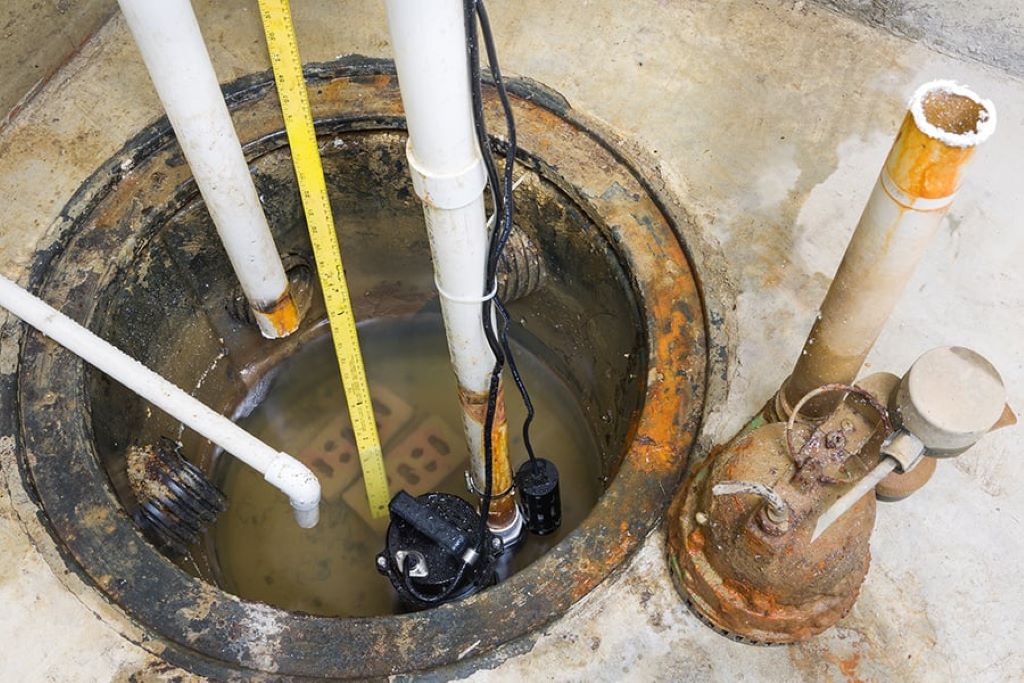
A water leak can cause considerable damage to your home if left unnoticed. As soon as you discover a leak you should attempt to locate the source and shut off the main water supply to your home. This is normally a water valve, if you do not know where this is, you should find out and ensure that it is always accessible in case of an emergency. You should then contain any leaking water by using buckets or towels to reduce the amount of water in your home. Too much water in your home can lead to mould and rot which can be very expensive to fix.

All households rely on hot water all day long. This means that if your boiler were to break down it can cause chaos in your home. You can prevent unexpected boiler breakdowns by having your boiler serviced by a professional plumber and they will be able to ensure it is in working order. You should also find out how to reset your boiler as sometimes it can lock and need resetting. In the case of your boiler completely breaking down, you should have a number of Boilers Gloucester company at hand so you can contact them to come and replace your boiler for you. An example of one of these companies is https://www.hprservicesltd.com/gloucester-boilers/boiler-service-gloucester

Image credit

A power cut can strike your home at any time. During any power cut, it is essential to ensure everyone is safe by using torches or candles to provide temporary light. If you do not have any of these, it is a good idea to have some ready in case of this situation. You should also find out where the distribution board is in your home, so you can try and reset the breaker in the case of a power cut.