How to Grow a Chestnut Tree from a Chestnut: A Beginner’s Guide

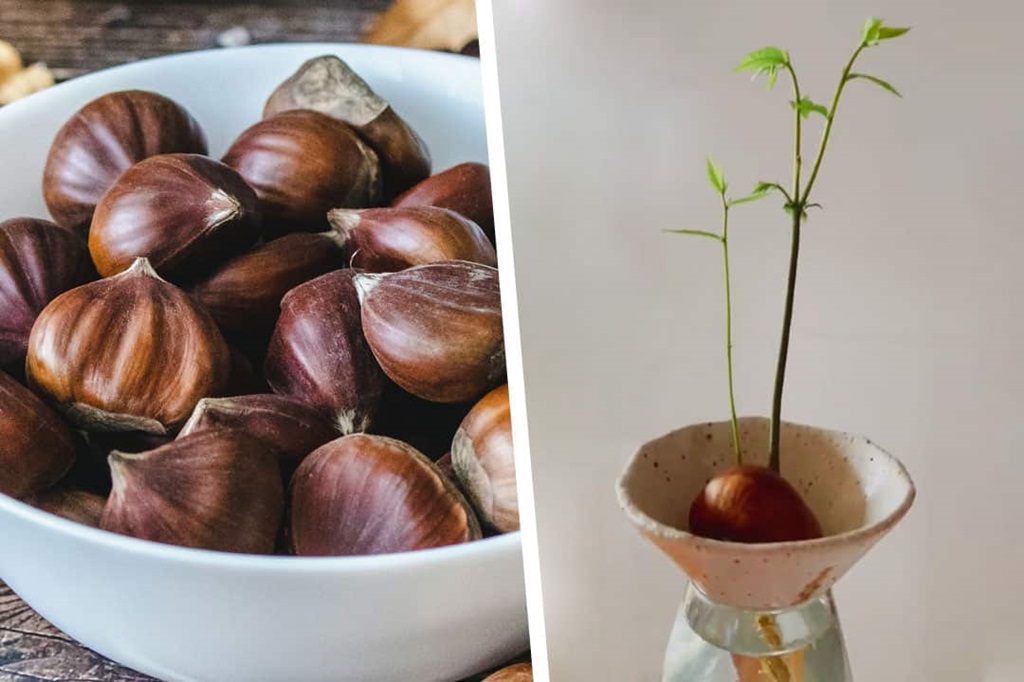
Growing a chestnut tree from a chestnut is an exciting and rewarding endeavor. Not only do chestnut trees provide delicious nuts, but they also enhance your landscape with their beautiful foliage and sturdy presence. In this guide, we will explore the steps needed to grow a chestnut tree, dive into the benefits of doing so, and share tips that make the process easier and more enjoyable. Whether you’re a seasoned gardener or a beginner, you can successfully grow a chestnut tree from a nut with the right knowledge and approach.

Taming the Paper Tiger: How to Conquer a Filing Cabinet Without Rails

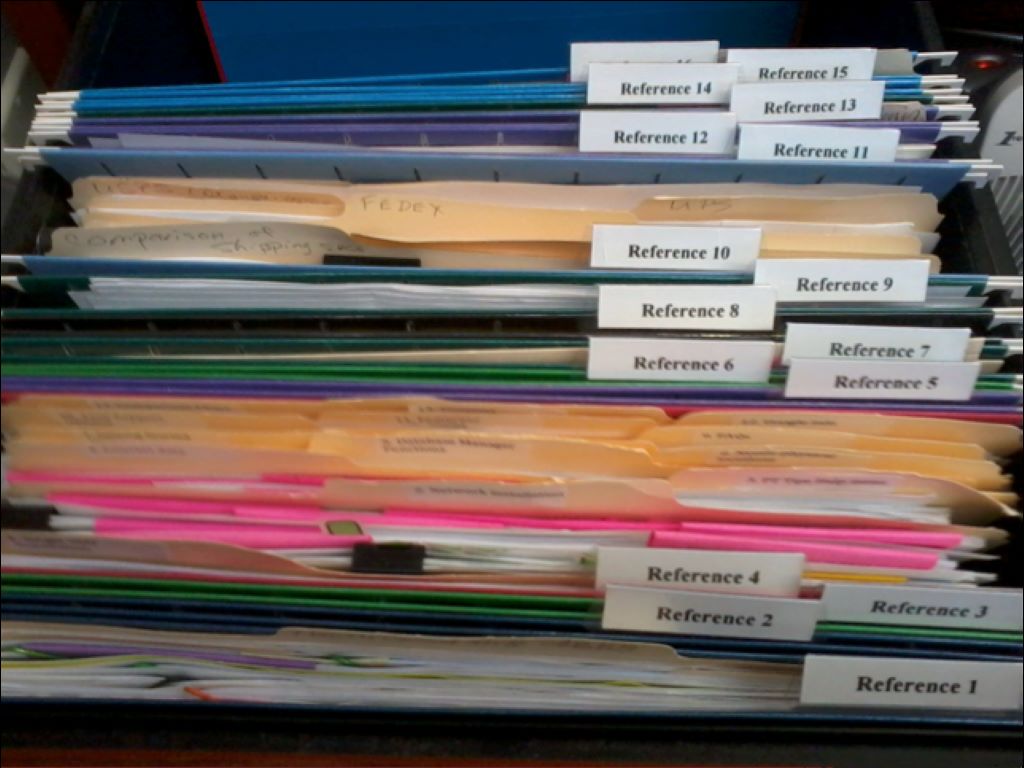
Filing cabinets. Those imposing metal behemoths promise order but often deliver chaos. Especially when they’re missing a key component: suspension rail for cabinets. But fear not, fellow organizers! A rail-less filing cabinet isn’t a lost cause. With a bit of creativity and the right tools, you can transform it into a well-ordered information hub.

RSVP with Panache: A Guide to Responding to Birthday Invitations

Ah, the joy of receiving a birthday invitation! It’s a little piece of happy mail, a promise of fun and celebration. But before you dive headfirst into daydreaming about cake and confetti, there’s the small matter of replying. While it might seem simple, responding to a birthday invitation with grace and clarity is an art form in itself. For those who want to master this skill, explore Bubblewrapfun blog for tips on making your response thoughtful and memorable. Don’t worry, though – we’re here to guide you through it with etiquette tips and creative ideas to make your RSVP shine.

How to Fix a Toaster That Won’t Heat: A Step-by-Step Guide

Few things are more frustrating in the morning than a toaster that won’t heat. It’s such a simple appliance, and yet, when it stops working, it can disrupt your daily routine. If you’ve ever found yourself in this predicament, you’re not alone. Before rushing to the store to buy a new toaster, there are several things you can check and potentially fix on your own. In this guide, we will walk you through common issues and solutions, giving you the knowledge to troubleshoot and possibly repair your toaster without needing professional help.

Why Won’t My Toaster Heat?

Why is my toaster not toasting

Image Source

The toaster’s basic function is simple: convert electricity into heat to brown your bread. When your toaster doesn’t heat, it’s usually because there’s something interrupting this process. It could be an electrical issue, a mechanical failure, or even a cleanliness problem. Let’s go over the most common causes in detail and how to address each one.

Step 1: Ensure the Toaster is Plugged In

This might sound too obvious, but sometimes the most basic issues are easy to overlook. If your toaster is not heating at all, the first thing to check is whether it’s plugged into a functioning outlet. Here’s what to do:

  • Check the Power Cord: Inspect the cord for any signs of damage. If the cord is frayed, cut, or otherwise damaged, it can prevent your toaster from working and is also a fire hazard. If you notice any damage, do not use the toaster until you’ve replaced the cord or have it repaired by a professional.
  • Test the Outlet: Plug another appliance (such as a lamp or phone charger) into the same outlet to confirm it’s supplying power. If that device works fine, then the outlet is not the issue. If not, you may have a faulty outlet or a blown fuse. In that case, try plugging the toaster into another outlet that you know works.

Step 2: Clean the Toaster

Toasters are magnets for crumbs, and over time, these crumbs can accumulate and block the internal components. If your toaster is clogged with crumbs, it might not heat properly. Here’s how to clean your toaster:

  • Unplug the Toaster First: Before doing any cleaning, always unplug the toaster to prevent electrical shocks.
  • Remove the Crumb Tray: Most modern toasters have a removable crumb tray at the bottom. Slide it out and dispose of any accumulated crumbs. Wash the tray with warm, soapy water, and dry it completely before reinserting it into the toaster.
  • Shake Out Loose Crumbs: Turn the toaster upside down and gently shake it over a trash can or sink to dislodge any crumbs that are stuck inside. Be gentle to avoid damaging internal parts.
  • Use a Brush for Stubborn Crumbs: If some crumbs are stuck in hard-to-reach places, use a small brush, such as a pastry brush or a toothbrush, to clean them out. Avoid using anything metallic that could damage the heating elements.

Cleaning your toaster regularly can not only solve heating issues but also prevent future problems. Once your toaster is clean, plug it back in and test it again to see if it heats up properly.

Step 3: Check the Heating Elements

If your toaster still isn’t heating after you’ve cleaned it, the next thing to examine is the heating elements. These are the wires inside the toaster that glow red when the toaster is working properly. If they don’t heat up, it could be due to a break in the circuit.

  • Visual Inspection: Look inside the toaster while it’s turned off and unplugged. Check for any visible breaks in the heating wires. If a wire is broken or appears damaged, this is likely the reason your toaster isn’t heating.
  • Test the Toaster: Plug in the toaster and turn it on. Watch closely to see if the heating elements glow evenly. If only part of the wire glows or if the toaster heats unevenly, there may be an issue with one or more of the elements.

Unfortunately, replacing heating elements is not an easy fix for the average user. If your toaster’s heating elements are damaged, you’ll need to contact the manufacturer for repair options or consider purchasing a new toaster.

Step 4: Inspect the Internal Components

Toasters have a few internal components that could malfunction over time, including the thermostat, thermal fuse, and timer. While these issues are more complex, they can be fixed with the right tools and some basic knowledge of appliance repair.

  • Thermostat Problems: The thermostat regulates the toaster’s temperature. If it malfunctions, the toaster might not heat correctly. You can test the thermostat with a multimeter (a tool that measures electrical current). If the thermostat is faulty, it will need to be replaced.
  • Thermal Fuse: Some toasters have a thermal fuse that cuts off power if the toaster overheats. If the fuse blows, the toaster won’t heat at all. Replacing a thermal fuse involves opening up the toaster and soldering in a new fuse. This is a more advanced repair and might require professional help, especially if you’re unfamiliar with electrical repairs.
  • Timer Mechanism: The timer controls how long the toaster heats before popping up the bread. A faulty timer might cause the toaster to stop heating prematurely. Replacing the timer can be tricky, as it usually involves disassembling the toaster’s casing and replacing the circuit board. Again, if you’re not comfortable with this, it’s best to leave it to a professional.

Read More Also: How to make mugs a meaningful gift

Step 5: Consider the Toaster’s Age and Warranty

Sometimes, toasters stop working simply because they’re old. If your toaster has been in use for several years, it might be nearing the end of its life span. Electrical components wear out over time, and there’s only so much you can do to repair an aging appliance.

  • Check the Warranty: If your toaster is relatively new, check to see if it’s still under warranty. Many manufacturers offer warranties that cover repairs or replacements for a certain period. If your toaster is still under warranty, contact the manufacturer to arrange for a replacement or repair.
  • Weigh the Cost of Repair vs. Replacement: If your toaster is out of warranty and requires significant repairs (like replacing the heating elements or internal components), it might be more cost-effective to buy a new toaster. A basic toaster isn’t very expensive, and replacing one might save you time and effort compared to trying to repair it.

Final Thoughts: Prevention is Key

While fixing a broken toaster is possible in many cases, it’s always better to prevent issues in the first place. Here are a few tips to keep your toaster in good working order:

  • Regular Cleaning: Clean your toaster regularly to prevent crumbs from building up and interfering with the heating elements.
  • Avoid Overloading: Don’t force thick slices of bread or oversized items into your toaster. This can damage the internal components and cause malfunctions.
  • Monitor Usage: Pay attention to how long your toaster has been in use. If it starts showing signs of wear, like uneven heating or slower performance, it may be time for a replacement.

In conclusion,

a toaster that won’t heat can often be fixed with some basic troubleshooting and maintenance. By following the steps outlined above, you may be able to get your toaster back in working order without needing to replace it. However, if the problem persists, don’t hesitate to consult a professional or consider getting a new toaster.

Featured Image

How to Measure Bathroom Faucet: A Complete Guide

Replacing or upgrading a bathroom faucet might seem like a straightforward task, but getting the right measurements is crucial to ensure a seamless installation. Faucets come in various shapes and sizes, and not all will fit the pre-drilled holes in your sink or vanity. Moreover, the wrong measure of the bathroom faucet can lead to issues such as leaks or misalignment with the water supply lines. This article will help you understand how to measure bathroom faucet to avoid these pitfalls and make informed purchasing decisions. Whether you’re working on a renovation or simple maintenance, precise measurements will ensure a perfect fit.

Boost Your Mood with These Vibrant Home Color Ideas

Colors have a profound impact on our emotions and mental well-being. The right hues can invigorate, soothe, or even inspire us. If you’re looking to transform your living space into a haven of positivity and energy, consider the power of color. For instance, exploring entryway color ideas can set the tone for your entire home, making the first impression vibrant and welcoming. Here are some vibrant home color ideas to help boost your mood and make your home a more joyful place to live.

Bathtub Colors: How to Choose the Perfect Hue

The bathtub, once a purely functional fixture, has evolved into a centerpiece of bathroom design. And while the size and style of the bathtub are important considerations, the color can significantly impact the overall aesthetic of the space. For those who are also interested in maintaining their bathtub, knowing how to remove the bathtub stem can be crucial for repairs or upgrades, which can further enhance the design and functionality of this essential fixture. This guide explores the world of bathtub colors, offering insights and inspiration to help you select the perfect hue for your bathroom sanctuary.