
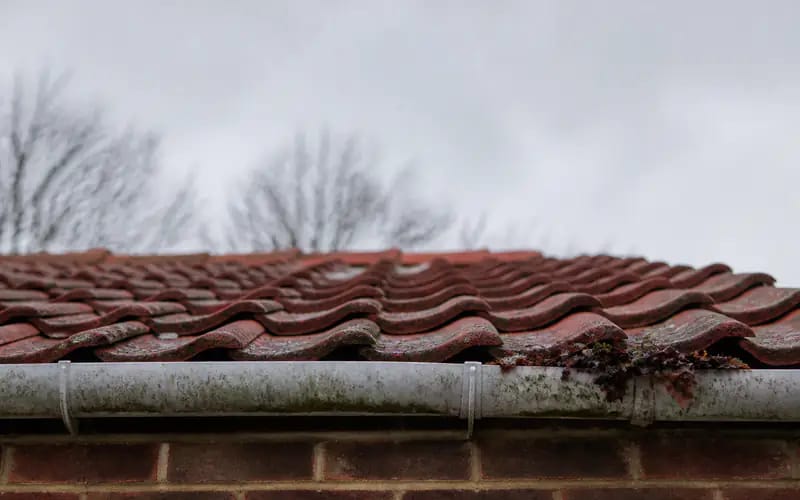
Roofing has the tendency to deteriorate slowly over time. Generally it’s all the usual suspects (weather, vegetation, pests and age) all conspiring together. And then one day you find a mysterious leak inside your home. The root cause of damage needs to be established to ensure appropriate action is taken.
Storm and High Wind Damage
In Hampshire strong winds are a regular feature of the weather and can cause the most rapid roof damage. Strong gusts of wind can lift tiles or slates up at the edges and either crack or break the fixings or the covering material itself. Sometimes the tiles or slates can work loose so that they can fall out of place and be lost without any indication of the problem on the outside of the roof.
Heavy Rain and Blocked Guttering
The roof tries to get rid of water running down from your roof. So, if your roof gutters are blocked by debris such as leaves, the water running down from your roof cannot run off your roof. The water backs up under the edges of the roof covering leading to penetration of the roof structure by moisture resulting in ceiling stains and rot within the roof structure. All of this can happen to a roof in good condition if the guttering behind it has not been cleaned regularly.
Freeze-Thaw Cycling in Winter
The normal expansion and contraction of roofing materials as they heat up in the sun and cool down at night can cause damage over the years. In particular, very old roofs that are made of felt have brittle felt that can crack. Similarly, older roofs with lead flashings can have the lead flexing as it heats up and cools down. This can cause cracks in the sealants around joints and eventual lifting of the edges of the lead at the eaves.
Sun and Temperature Swings
While the cold weather of winter is often associated with roof damage, it is not the only factor to consider. The many years of exposure to sunshine can cause a roof’s covering of roofing felt to dry out and become hard. Lead flashings and sealants also become brittle with age and can split or crack. As a roof ages the normal wear and tear of daily temperature fluctuations can cause cracking to occur around joints that are sealed with flexible materials. As time passes the lead can lift or curl at the edges. See also Roofers Hampshire.
Moss, Algae and Lichen Growth
While much damage is caused by weather, growth, pests and even ageing materials of a roof, it is mostly a gradual process and rarely fails suddenly. Often roof damage can be identified before serious problems occur. A small patch of black or green growth on a roof does not necessarily mean that a small patch of the roof needs to be repaired. Before long that small patch of growth could be holding water against the surface of a roof tile or slate similar to a sponge, potentially causing further damage through frost damage or even breakdown of the tile or slate itself.
Overhanging Trees and Falling Debris
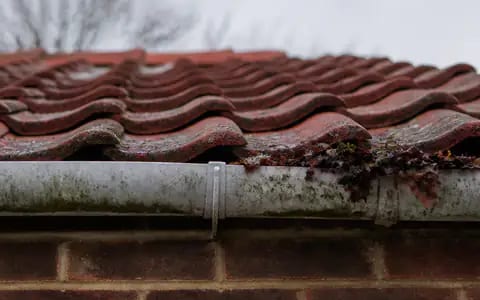
Branches from overhanging trees can abrade your roof tiles in windy weather, drop leaves and twigs into your gutters and downpipes, and even fall and cause severe damage to individual tiles and slates in extreme weather. The Royal Horticultural Society gives advice on the pruning of trees to minimise damage to buildings. Pruning trees to keep branches at a safe distance from your roof surfaces helps to reduce both the abrasion and blockage problems.
Poor Installation or Ageing Fixings
There are many examples where a perfectly fine roof covering can be compromised by poor fixing details, old nails corroding, old timbers rotting etc. In some cases the root cause of a leak may not even be in the main roof covering itself and can be found higher up in the roofing structure. A simple check of a poorly bedded chimney flashing is a classic example of a potential problem area that can allow water entry for months or even years before any signs of damage appear as brown stains on your ceiling.
Birds, Squirrels and Other Wildlife
Moles, squirrels and birds are also very effective at damaging a roof. Birds and squirrels will lift up the odd tile to make a nest underneath, frequently returning to add more material and shifting the tile even further. Sometimes all the tiles on a section of roof are lifted to make a single large nest, with the material from the nest protruding out from under the ridge. Squirrels can also gnaw through cables in the loft space and can make substantial damage to the timbers.
The majority of roof damage occurs over time due to a combination of causes, therefore regular checks from the ground can pick up problems before they become major repairs and a couple of gutter cleans a year can prevent most roof problems before a leak appears inside your home.


