
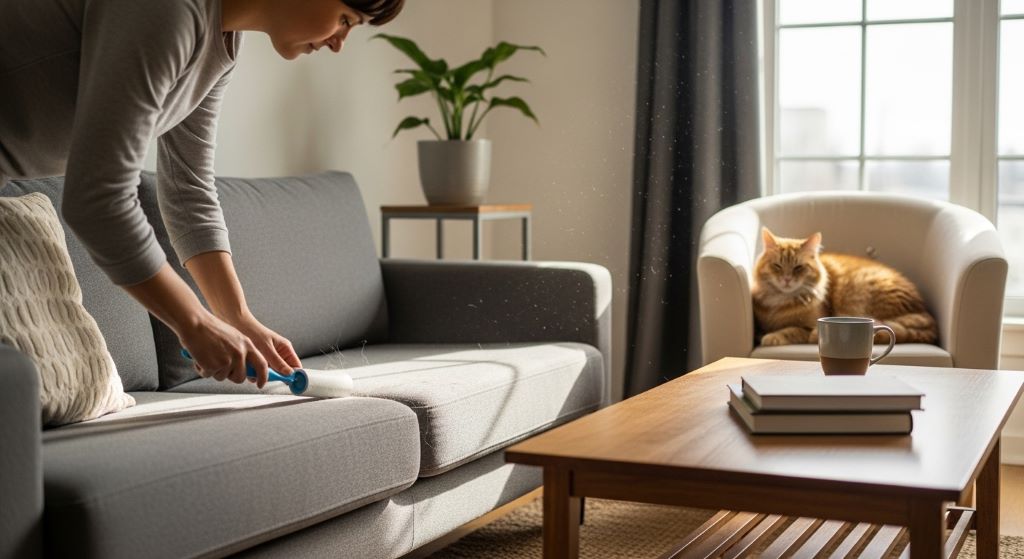
Pets bring so much joy into our lives. They offer companionship, comfort, and endless entertainment. However, they also bring something less welcome: pet hair. It settles on sofas, drifts across floors, clings to clothes, and hides in corners you rarely think to check. For many pet owners, keeping the house clean feels like a never-ending battle.
The good news is that it does not have to be. With the right tools, routines, and a little know-how, you can stay ahead of pet hair and maintain a genuinely clean, fresh home. This article covers practical solutions for every surface in your home. Additionally, it addresses the specific challenge of cat shedding control, which is one of the most common concerns among cat owners.
Whether you have one cat or a house full of dogs, the tips here will help you take back control. Let us get started.
Understanding Why Pet Hair Is a Cleanliness Problem
Pet hair is more than just an aesthetic issue. It carries dander, which is tiny flakes of skin that animals shed naturally. Dander is a known allergen. It can trigger sneezing, itchy eyes, and even asthma in sensitive individuals. Therefore, managing pet hair is not just about appearances. It is a genuine home hygiene concern.
Pet hair also traps dust, pollen, and other particles. These accumulate on furniture and flooring over time. The result is a home that feels less clean even after regular tidying. Additionally, hair that finds its way into kitchen spaces can become a food contamination risk.
Understanding these layers of the problem helps you approach cleaning more effectively. You are not just removing hair. You are also removing the allergens and particles that come with it.
The Foundation: Building a Regular Cleaning Routine
Consistency is the most powerful tool you have. A regular cleaning routine prevents hair from building up to unmanageable levels. It also makes each individual cleaning session shorter and easier.
Start by identifying the high-traffic areas where your pet spends the most time. These spots will need more frequent attention. However, do not neglect the rest of the home. Hair travels further than you expect, carried by air currents and foot traffic.
A simple schedule might look like this: quick daily sweeps of the main living areas, a more thorough vacuum every two to three days, and a full deep clean of furniture and bedding once a week. Additionally, spot-cleaning should happen as needed whenever you notice a visible build-up.
Over time, this approach becomes second nature. It takes far less effort than waiting until the problem gets out of hand.
Choosing the Right Vacuum for Pet Hair
Not all vacuums are created equal when it comes to pet hair. A standard vacuum may simply push hair around rather than lifting it properly. Therefore, choosing the right tool makes a significant difference.
Look for a vacuum that is specifically labelled for pet use. These models typically include stronger suction, specialized brush rolls designed to pick up hair rather than tangle with it, and HEPA filtration. HEPA filters are especially important because they trap the fine dander particles that contribute to allergen build-up.
Upright vs. Canister vs. Robot Vacuums
Upright vacuums are powerful and cover large floor areas quickly. They work well for carpets with embedded pet hair. Canister vacuums offer more flexibility. They are easier to manoeuvre under furniture and around tight spaces.
Robot vacuums are a fantastic addition for daily maintenance. They run automatically, picking up surface-level hair before it accumulates. However, they are best used alongside a traditional vacuum rather than as a full replacement. They cannot match the deep-cleaning power of an upright model.
Additionally, handheld vacuums are useful for quick touch-ups on furniture and stairs. Keeping one charged and accessible means you can deal with hair the moment you spot it.
Tackling Pet Hair on Furniture and Upholstery
Furniture is where pet hair tends to gather most visibly. Sofas, armchairs, and cushions attract and hold hair remarkably well. Fortunately, several tools and techniques work effectively on upholstered surfaces.
Lint Rollers and Reusable Hair Removers
Lint rollers are a classic solution for good reason. They are quick, effective, and easy to use. Keep one in the living room and another near the front door for a final check before you leave the house.
Reusable silicone or rubber hair removers are a more sustainable alternative. They work by creating static friction that lifts hair from fabric. Many users find them more effective on thick upholstery than sticky lint rollers.
Rubber Gloves and Damp Cloths
A slightly damp rubber glove dragged across a sofa can lift pet hair surprisingly well. The rubber creates friction that bunches hair together, making it easy to collect and dispose of. This method costs almost nothing and works on most fabric types.
Similarly, a barely damp microfibre cloth works well on smooth surfaces like leather or faux leather. These surfaces tend to attract hair less than fabric but can still accumulate build-up along seams and creases.
Furniture Covers and Throws
If your pet has a favourite spot on the sofa, consider using a washable throw or furniture cover. This protects the upholstery underneath and gives you something easy to remove and wash regularly. Therefore, you reduce the cleaning burden on the furniture itself significantly.
Managing Pet Hair on Hard Floors
Hard floors such as hardwood, tile, and laminate show pet hair very clearly. However, they are also easier to clean than carpet. The challenge is that hair on hard floors tends to drift and gather in corners and under furniture.
A microfibre dry mop or electrostatic sweeper is ideal for daily maintenance on hard floors. These tools attract hair electrostatically without scattering it. Brooms, by contrast, can push light hair around rather than capturing it.
Follow up with a damp mop to remove any remaining dander and fine particles. This step is particularly important for maintaining home hygiene in households with allergy sufferers.
Additionally, pay attention to the edges of rooms and underneath furniture. These spots collect hair quickly and are easy to miss during a quick clean.
Dealing with Pet Hair on Clothes and Bedding
Pet hair on clothes can be embarrassing and difficult to remove once it embeds into fabric. However, with the right approach before and after washing, you can keep your wardrobe hair-free.
Before washing, give pet-hair-covered items a thorough lint roll or shake outdoors. This removes the bulk of the hair before it goes into the machine. Hair that enters the washing machine can clog filters and redistribute onto other items during the wash cycle.
Use a laundry booster or pet hair catcher ball in the drum. These products agitate the hair loose during the wash and collect it before it can cause problems. Additionally, running clothes through the dryer for ten minutes on a low-heat, no-wash cycle before washing can help loosen and collect hair in the lint trap.
For bedding, wash pet blankets and covers weekly. Use hot water where the fabric allows. This kills bacteria and dust mites as well as removing hair and dander.
Cat Shedding Control: What Every Cat Owner Should Know
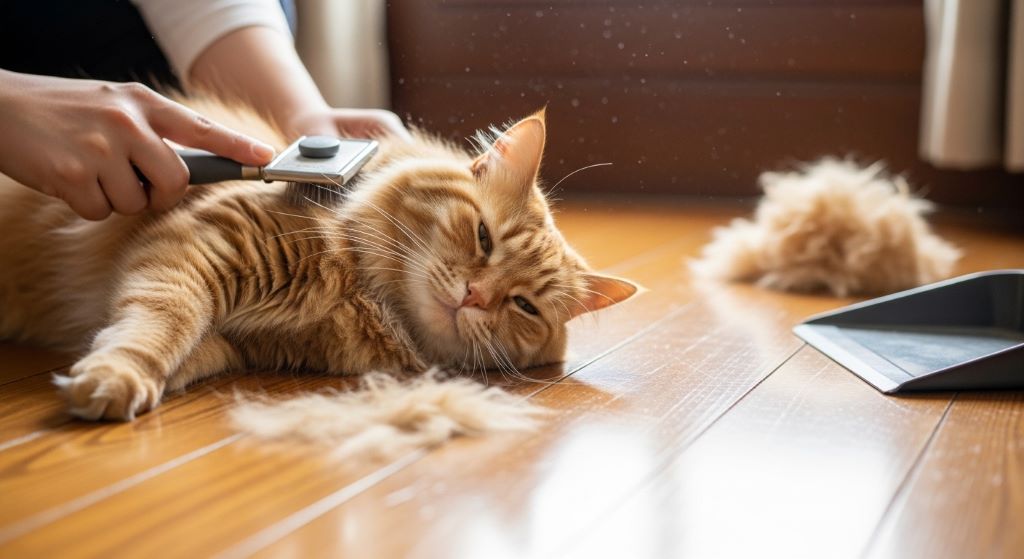
Cats are wonderful companions, but many breeds shed heavily throughout the year. Some cats shed more during seasonal changes, particularly in spring and autumn. Effective cat shedding control begins with the cat itself, not just with your cleaning routine.
Brushing Your Cat Regularly
Regular brushing is the single most effective way to reduce the amount of hair your cat leaves around the home. Brushing captures loose hair before it falls onto your furniture and floors. Aim to brush your cat at least three to four times per week. Daily brushing is even better during heavy shedding periods.
Use a brush suited to your cat’s coat type. Short-haired cats benefit from a rubber bristle brush or grooming glove. Long-haired cats need a wider-toothed comb or a de-shedding tool designed to reach the undercoat.
Diet and Hydration
A healthy, well-nourished cat sheds less than one with a poor diet. High-quality cat food rich in omega-3 and omega-6 fatty acids supports coat health. These essential fats keep the coat smooth, strong, and less prone to excessive shedding.
Additionally, ensure your cat has constant access to fresh water. Dehydration affects skin and coat condition, which can increase shedding. If your cat does not drink enough water, consider switching partly to wet food, which has a higher moisture content.
Bathing Your Cat
Most cats do not enjoy baths, but occasional bathing can significantly reduce loose hair. Use a cat-specific shampoo and keep the process calm and brief. Even one bath per month can make a noticeable difference during peak shedding season.
If your cat is resistant to full baths, waterless cat shampoo or grooming wipes offer a gentler alternative. These products remove loose hair and dander without the stress of a full bath.
Air Quality and Filtration: The Hidden Layer of Pet Hair Cleaning
Pet hair does not just settle on surfaces. Fine particles and dander remain airborne for extended periods. Therefore, improving air quality in your home is an important part of a complete cleaning strategy.
An air purifier with a HEPA filter is one of the most effective investments a pet owner can make. Place it in the rooms where your pet spends the most time. Run it continuously for the best results. These devices capture airborne dander and hair particles before they settle on surfaces.
Additionally, change your HVAC filters regularly. Pet dander clogs filters faster than normal household dust. A clogged filter reduces air circulation and recirculates particles through your home. Check and replace filters every one to two months if you have pets.
Opening windows when weather permits also helps. Fresh air circulation dilutes indoor allergens and reduces the concentration of airborne dander. This simple step contributes meaningfully to overall home hygiene without any cost.
Natural and DIY Cleaning Solutions for Pet Hair
You do not always need expensive products to deal with pet hair. Several household items work surprisingly well.
- A balloon rubbed against carpet creates static electricity that pulls hair to the surface, making it easier to collect.
- A squeegee dragged across carpet loosens embedded hair far more effectively than vacuuming alone in some cases.
- A mixture of water and fabric softener in a spray bottle, lightly misted onto furniture, can loosen hair and make it easier to wipe away.
- Baking soda sprinkled onto carpets before vacuuming helps neutralise pet odours and loosens hair from fibres.
These methods are cost-effective and environmentally friendly. However, they work best as part of a broader routine rather than as standalone solutions.
Creating a Pet-Friendly Home That Is Also Easy to Clean
Smart home setup choices can dramatically reduce how much time you spend cleaning. Consider the following adjustments to make your home more manageable.
Choose furniture with tightly woven fabrics. Microfibre, leather, and canvas are all easier to clean than velvet or chenille. Hair does not embed as deeply into tighter weaves. Additionally, darker furniture tends to show light-coloured hair more visibly. Choosing furniture that contrasts less with your pet’s coat colour is a simple visual trick that makes the home feel cleaner between cleans.
Use washable slipcovers wherever possible. They protect your furniture and can be thrown into the machine as part of your regular laundry routine. Therefore, you save time and keep your furniture looking presentable with minimal effort.
Designate certain areas as pet-free zones if allergies are a concern. Keeping bedrooms off-limits to pets significantly reduces the allergen load in sleeping areas. This small boundary can make a big difference in sleep quality for allergy sufferers.
Conclusion
Living with pets does not mean accepting a perpetually hairy home. With the right approach, you can enjoy your animal companions and maintain a genuinely clean, comfortable living space at the same time.
The key is combining consistent cleaning routines with the right tools for each surface. A good pet vacuum, a lint roller within reach, and a regular schedule go a long way. Additionally, tackling cat shedding control at the source through brushing, diet, and grooming reduces the problem before it reaches your furniture and floors.
Do not forget the invisible layer of dander in the air. An air purifier and fresh HVAC filters protect your home’s air quality as much as surface cleaning does. Together, these steps support genuine home hygiene rather than simply making things look tidy.
Start with one or two changes and build from there. Small, consistent actions compound into a noticeably cleaner, fresher home. Your pets will still shed. However, with the strategies in this guide, it will no longer feel like a losing battle.
Frequently Asked Questions
1. How often should I vacuum if I have a shedding pet?
For most pet owners, vacuuming every two to three days is ideal. During heavy shedding seasons, daily vacuuming of high-traffic areas may be necessary. Using a robot vacuum for daily maintenance and a full-sized vacuum for deeper cleans is an effective combination.
2. What is the best tool for removing cat hair from a sofa?
A reusable silicone or rubber pet hair remover tends to outperform lint rollers on thick upholstery. Rubber gloves also work very well. For quick touch-ups, a lint roller is convenient and effective on most fabric types.
3. Does diet really affect how much a cat sheds?
Yes, significantly. Cats fed high-quality food rich in omega fatty acids tend to have healthier coats that shed less. Adequate hydration also plays a role. If your cat sheds excessively, a dietary review with your vet is a worthwhile step.
4. Are air purifiers worth buying for pet owners?
Absolutely. HEPA air purifiers capture airborne pet dander and fine hair particles before they settle on surfaces. They are especially valuable for households with allergy sufferers. Place one in the main living area and another in the bedroom for the best results.
5. How do I get pet hair out of my washing machine?
Run an empty hot water cycle with a cup of white vinegar after washing pet items. This loosens any hair clinging to the drum. Additionally, clean the lint filter after every cycle and wipe down the door seal, where hair tends to collect. Using a laundry pet hair catcher ball in future loads will also help prevent build-up.
Related Topics:
Remove Mold from Shower Curtains: Banishing the Blight
Acing the After-Party: Effortless Post-Grill Cleanup Hacks