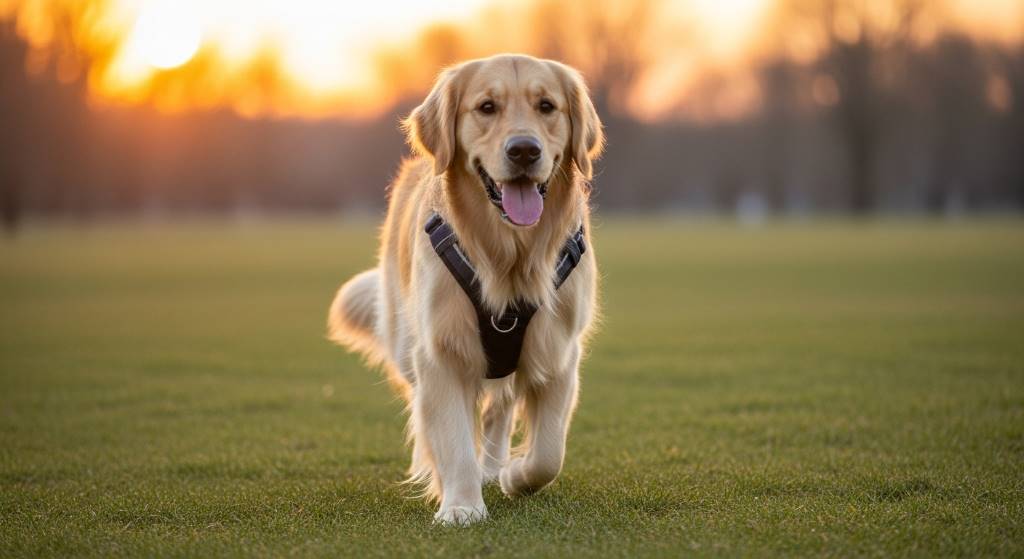
Imagine your daily walk turning into a battle. Your excited pup lunges forward. You grip the leash tighter. Arms ache. Frustration builds. Many owners face this chaos. Yet, the right tool changes everything. Finding the best harness for dogs that pull brings peace. It turns tugs into gentle strolls.
Pulling harms both ends of the leash. Dogs risk neck strain or worse. Owners face injuries too. A study from 2001 to 2018 tracked dog leash issues. It estimated 356,746 emergency visits. Over half came from pulls. Another report noted rising cases among women over 65. Trips and tangles added risks. No-pull harnesses help. They redirect force safely.
Research backs their value. One study in the Journal of Veterinary Behavior showed less pulling with no-pull designs. Dogs walked better. Owners gained control. Another trial confirmed front-clip styles cut lunges. Calm returns. Joy follows.
This guide explores options. You learn types, features, and fits. Practical tips build success. Turn chaos into calm. Start today.
Why Dogs Pull on Leash
Dogs pull for reasons. Excitement tops the list. Squirrels dash. Scents call. Bred traits play a role. Huskies love to run. Labs chase balls.
Lack of training adds fuel. Pups learn pulling works. They reach goals faster. Opposition reflex kicks in. Pressure pushes them forward.
Collars worsen issues. They choke necks. Dogs fight harder. Harnesses spread force. Yet, wrong ones encourage sled-like pulls.
Environment matters too. Busy streets spark reactions. Loose leashes teach bad habits. Consistent rules prevent this.
Understand causes. Fix them early. Puppies adapt fast. Adults need patience. Rewards beat punishment.
Pulling risks health. Trachea damage occurs. Eyes strain. Owners fall. One analysis found 193,483 pull-related hurts. Prevention starts with gear.
Benefits of No-Pull Harnesses
No-pull harnesses transform walks. They stop tugs gently. Front clips redirect motion. Dogs face you. Momentum breaks.
Pressure distributes evenly. Necks stay safe. Shoulders bear load. Choking ends. Comfort rises.
Control improves. Owners steer better. Lunges lessen. Training speeds up. Positive links form.
Studies prove gains. One in Applied Animal Behavior Science noted big drops in pulls. Behavior improved. Joy increased.
Safety boosts. Less escape risk. Better fits hold firm. Reflective strips add visibility.
Long-term wins appear. Habits build. Loose leashes become norm. Bonds strengthen.
Versatile options fit all. Small pups. Big breeds. Active days. Calm evenings.
Types of Dog Harnesses
Harnesses vary. Each suits needs.
Back-clip harnesses attach top. Easy on. Great for trained dogs. Calm walkers thrive. Yet, pullers gain power. Sled feel emerges.
Front-clip ones lead chest. Pulling turns dogs sideways. Control surges. Training excels. Gait may shift slightly.
Dual-clip combine both. Flexible use. Front for lessons. Back for ease. Switch as skills grow.
Step-in styles suit small dogs. Lie flat. Paws enter. Clip up. Escape artists stay secure.
Vest harnesses pad fully. Comfort kings. Short coats love them. Heat builds in summer.
Y-shaped fronts free shoulders. Natural strides. Long hikes shine.
Tightening ones cinch on pulls. Gentle reminders. Fit matters most.
Compare needs. Size. Activity. Pull strength. Test fits.
- Back-clip: Simple, non-pullers.
- Front-clip: Strong redirect.
- Dual: Best of both.
Choose wisely. Match lifestyle.
Front-Clip vs Back-Clip Harnesses
Front-clip wins for pullers. Leash chests. Tugs spin dogs. Forward drive stops. Steering eases.
Back-clip suits loose-leash pros. Top attach. No tangle risk. Running flows. Pullers lean in. Opposition grows.
Front pros: Discourages lunges. Safer necks. Quick corrections.
Front cons: Leg wraps possible. Adjustment key.
Back pros: Easy fit. Natural move. Cool minimal.
Back cons: Less stop power. Encourages some.
Tests show front cuts pulls more. Dual fixes limits.
Large dogs need front strength. Small ones back comfort.
Front alters gait less if padded. Back freer.
Pick based on stage. Training: front. Mastered: back.
Key Features to Look For
Strong materials last. Nylon resists wear. Ripstop fights tears.
Adjust points ensure fit. Four minimum. Neck, chest, belly.
Padding prevents rubs. Neoprene softens. Wide straps spread load.
Quick snaps speed on. Belly color cues right way.
Reflective trim glows night. Safety first.
Handles grab quick. Traffic help.
Martingale loops tighten gently. Extra deter.
Breathable mesh cools. Hot days.
Measure girth. Add inches. Room grows.
D-rings steel strong. No rust.
Easy clean. Machine wash.
How to Fit a Harness Properly
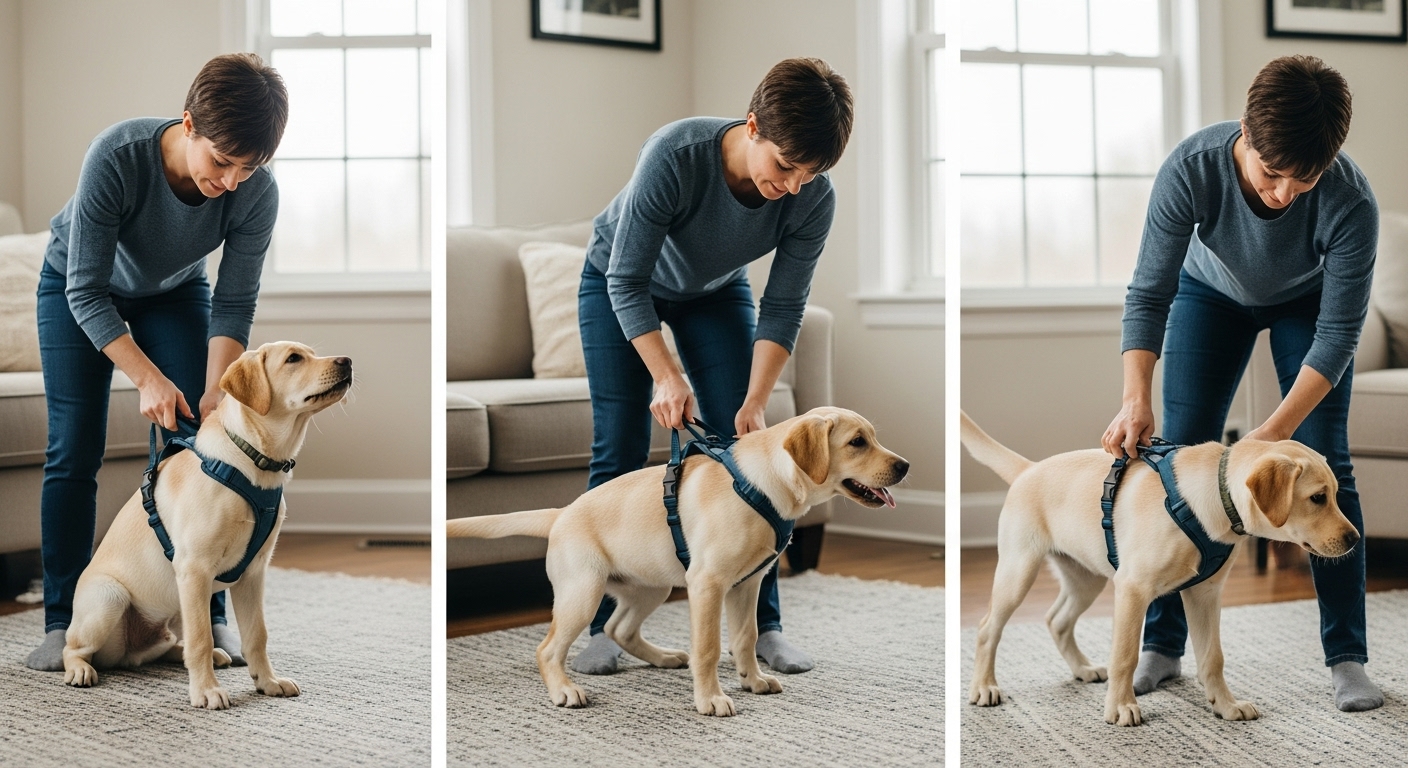
Fit decides success. Loose slips. Tight chafes.
Measure chest widest. Behind legs. Neck base.
Snug two fingers under. No gap.
Leg straps clear armpits. Move free.
Chest plate centers. Not twist.
Walk test. Jump. Run. Adjust.
Pups grow fast. Check weekly.
Signs wrong: Rub marks. Escape tries. Reluctance wear.
Read guides. Videos help.
Belly strap different color. Quick check.
Proper fit comforts. Controls. Lasts.
Top Recommendations
PetSafe Easy Walk leads. Front martingale. Gentle tight. Tests rate high.
Blue-9 Balance shines. Six adjusts. Sternum pressure. Gait free.
2 Hounds Freedom dual. Velvet soft. Multi clips.
Ruffwear Front Range durable. Padded. Adventures.
Rabbitgoo budget strong. Reflective. Sizes all.
Halti tightens torso. Strong pullers.
Auroth tactical tough. Handles.
Pick breed fit. Labs: padded. Terriers: secure.
Reviews guide. Real walks test.
Related:
Taking your Pet With you When you Move Abroad
Pet-Friendly Flooring Colorado Springs Homes
Training Tips with No-Pull Harness
Harness aids. Training wins.
Start inside. Wear short. Treats pair.
Loose leash reward. Tight stop.
Turn away pulls. Change direction.
High treats lure. Heel position.
Short sessions. Fun keep.
Consistency key. All family same.
Clicker marks good. Fast praise.
Scent walks allow sniff. Control balance.
Gradual outdoors. Distractions build.
No yank. Guide gentle.
Progress slow. Back clip later.
Patience pays. Calm comes.
Common Mistakes to Avoid
Wrong size biggest. Too big escapes. Too small hurts.
Back clip early. Pulls worsen.
No training rely. Gear alone fails.
Loose fit. Slides. Ineffective.
Ignore chafes. Check skin.
Long retractable. Momentum builds.
Wrap hand leash. Finger risks.
Overlook gait. Front long-term limit.
Skip adjusts. Growth changes.
Punish pulls. Fear grows.
Fix these. Success soars.
Real Owner Stories
Sarah’s Lab dragged her. Easy Walk changed. “Walks joy now.”
Mike’s Husky pulled hard. Freedom dual tamed. Loose leash months.
Tiny Chi escaped vests. Step-in held. Confidence back.
Elderly owner fell. Front clip prevented. Safe again.
Foster moms swear. Pups adopt easy.
Strong pullers calm. Training plus gear.
Stories inspire. Your turn.
Conclusion
Pulling frustrates. Harnesses help. Front clips redirect. Comfort rules. Fit perfect. Train consistent.
Benefits clear. Less injury. More joy. Bonds deep.
Research supports. Stats warn.
Choose wise. Measure. Adjust. Reward.
Chaos fades. Calm walks begin. Grab harness. Step out. Enjoy peace.
Ready for change? Measure pup. Pick front-clip. Start training. Calm awaits.
FAQs
What makes a harness no-pull?
Front attachment turns dogs. Pulls redirect. Martingale tightens chest gently.
Is front-clip better than back?
Yes for pullers. More control. Back for trained.
Can small dogs use no-pull?
Absolutely. Light versions. Secure fits.
How long to see results?
Days with training. Weeks full habit.
Do harnesses hurt dogs?
No if fitted. Padded safe. Wrong ones chafe.
References
- https://pubmed.ncbi.nlm.nih.gov/32739848/
- https://tollerbrand.com/blogs/news/the-science-behind-no-pull-dog-harnesses-do-they-really-work
- https://www.businessinsider.com/guides/pets/best-no-pull-dog-harness
- https://avmajournals.avma.org/view/journals/javma/262/7/javma.23.11.0608.xml