
Canadian homeowners are revolutionizing their approach to garage door selection. Today’s market demands far more than basic functionality. Homeowners seek the perfect balance between stunning design and exceptional durability. The harsh Canadian climate makes this combination essential rather than optional. Modern garage doors must withstand extreme temperatures while enhancing curb appeal. Additionally, smart technology integration has become a priority for many families. This comprehensive guide explores current trends, durability requirements, and design preferences shaping Canadian garage door decisions. Furthermore, we’ll examine how these choices impact home value and energy efficiency across different provinces.
Understanding Current Canadian Garage Door Market Trends
The Canadian garage door industry has experienced significant transformation over recent years. Homeowners increasingly prioritize aesthetics alongside practical performance. Moreover, sustainability concerns drive demand for eco-friendly materials and energy-efficient designs.
Regional preferences vary considerably across Canada’s diverse climate zones. Western provinces favor robust materials that handle moisture and temperature swings. Meanwhile, eastern regions emphasize insulation properties for harsh winter conditions. Additionally, urban areas show growing interest in contemporary designs that complement modern architecture.
Smart technology adoption rates continue climbing steadily. Homeowners appreciate remote monitoring capabilities and smartphone integration. Furthermore, security features have become non-negotiable for many Canadian families seeking peace of mind.
Essential Durability Features Canadian Homeowners Demand
Weather Resistance That Withstands Extreme Canadian Conditions
Canadian weather demands exceptional garage door durability. Homeowners require materials that resist warping, cracking, and corrosion. Steel doors with galvanized coatings provide excellent protection against rust and moisture damage.
Insulation becomes crucial for energy efficiency and temperature control. Quality doors feature polyurethane or polystyrene cores that maintain consistent indoor temperatures. Additionally, proper weatherstripping prevents drafts and moisture infiltration during severe weather events.
Wind resistance ratings matter significantly in coastal and prairie regions. Doors must meet or exceed local building codes for wind load requirements. Furthermore, reinforced track systems and heavy-duty springs ensure reliable operation despite environmental stresses.
Long-Term Performance and Maintenance Considerations
Modern Canadian homeowners expect minimal maintenance requirements from their garage doors. Powder-coated finishes resist fading and chipping better than traditional paint systems. Additionally, composite materials offer wood-like appearance without regular staining or sealing needs.
Quality hardware components significantly impact longevity and performance. Stainless steel hinges and rollers resist corrosion in humid conditions. Moreover, sealed bearing systems reduce friction and extend operational life considerably.
Regular maintenance schedules help maximize door lifespan and performance. However, busy homeowners prefer systems requiring minimal intervention. Therefore, manufacturers focus on self-lubricating components and durable finish systems.
Design Preferences Shaping Modern Canadian Garage Doors
Contemporary Aesthetics Meeting Traditional Canadian Architecture
Canadian homeowners blend contemporary design elements with traditional architectural styles. Clean lines and minimalist aesthetics appeal to urban and suburban residents alike. However, rural properties often maintain classic carriage house or barn-style appearances.
Color preferences reflect regional influences and personal taste variations. Neutral tones like charcoal, white, and beige remain popular choices. Additionally, bold accent colors create striking focal points that enhance overall curb appeal.
Window configurations add visual interest while providing natural light. Geometric patterns and decorative glass options complement various architectural styles. Furthermore, strategic window placement creates balanced proportions that enhance home aesthetics.

Customization Options That Reflect Personal Style
Personalization opportunities allow homeowners to express individual preferences effectively. Custom paint colors match existing trim and siding perfectly. Moreover, decorative hardware adds character while maintaining functional performance standards.
Mixed material combinations create unique visual appeal and enhanced durability. Wood accents on steel frames provide warmth without compromising weather resistance. Additionally, faux wood finishes offer authentic appearance with minimal maintenance requirements.
Panel configuration choices range from traditional raised panels to modern flush designs. Homeowners select patterns that complement their home’s architectural character. Furthermore, custom sizing accommodates unique opening dimensions and special requirements.
Technology Integration Transforming Canadian Garage Door Experience
Smart technology adoption continues accelerating among Canadian homeowners. WiFi-enabled openers provide remote access and monitoring capabilities. Additionally, smartphone apps allow status checking and operation from anywhere globally.
Battery backup systems ensure functionality during power outages. This feature proves especially valuable during severe weather events common across Canada. Moreover, soft-start technology reduces noise and mechanical stress on door components.
Safety features have evolved significantly beyond basic photo-eye sensors. Rolling code technology prevents unauthorized access attempts. Furthermore, manual disconnect handles allow emergency operation when power systems fail.
Regional Variations in Canadian Garage Door Preferences
Atlantic Canada’s Maritime Climate Considerations
Maritime provinces face unique challenges from salt air and high humidity. Stainless steel hardware and corrosion-resistant finishes become essential requirements. Additionally, proper ventilation systems prevent moisture buildup and mold formation.
Traditional maritime architecture influences design preferences significantly. Board and batten styles remain popular choices for coastal properties. However, modern materials provide authentic appearance with superior weather protection.
Prairie Provinces’ Wind and Temperature Extremes
Prairie regions experience dramatic temperature fluctuations and high wind conditions. Reinforced door construction and enhanced insulation properties address these challenges effectively. Additionally, impact-resistant materials protect against hail damage common in these areas.
Rural properties often require wider openings for agricultural equipment access. Custom sizing and heavy-duty track systems accommodate these special requirements. Furthermore, low-maintenance finishes reduce service needs in remote locations.
Central Canada’s Urban and Suburban Demands
Ontario and Quebec homeowners prioritize energy efficiency and aesthetic appeal. Urban properties often feature contemporary designs that complement modern architecture. Additionally, noise reduction becomes important in densely populated neighborhoods.
Seasonal temperature variations require robust insulation and weatherproofing systems. Quality doors maintain comfortable garage temperatures year-round. Moreover, energy savings contribute to reduced heating and cooling costs significantly.
Western Canada’s Diverse Climate Challenges
British Columbia’s coastal regions demand moisture resistance and corrosion protection. Mountain areas require doors that handle snow loads and freeze-thaw cycles. Additionally, earthquake considerations influence hardware selection and installation methods.
Alberta’s oil industry prosperity drives demand for premium materials and features. Homeowners invest in high-end finishes and advanced technology systems. Furthermore, harsh winters necessitate superior insulation and weather protection capabilities.
Energy Efficiency Standards and Environmental Considerations
Canadian homeowners increasingly prioritize environmental responsibility and energy conservation. ENERGY STAR certified garage doors provide measurable efficiency improvements. Additionally, proper insulation reduces heating costs and carbon footprint significantly.
Recycled materials and sustainable manufacturing processes appeal to environmentally conscious consumers. Steel doors contain high recycled content without compromising performance standards. Moreover, end-of-life recyclability ensures responsible disposal options.
Local building codes increasingly emphasize energy efficiency requirements. New construction and renovation projects must meet stringent thermal performance standards. Furthermore, utility rebates offset initial investment costs for qualified energy-efficient products.
Investment Value and Return on Investment Analysis
Quality garage doors provide excellent return on investment for Canadian homeowners. Real estate professionals confirm that attractive, functional doors enhance property values significantly. Additionally, energy savings offset initial purchase costs over time.
Durability considerations impact long-term cost-effectiveness substantially. Premium materials and construction reduce replacement frequency and maintenance expenses. Moreover, warranty coverage provides protection against unexpected repair costs.
Professional installation ensures optimal performance and longevity. Qualified technicians understand local climate requirements and building codes. Furthermore, proper installation maximizes safety features and operational reliability.
Professional Installation and Maintenance Best Practices
Qualified installation technicians ensure safe and proper garage door operation. Professional services include permit acquisition and building code compliance verification. Additionally, experienced installers identify potential issues before they become costly problems.
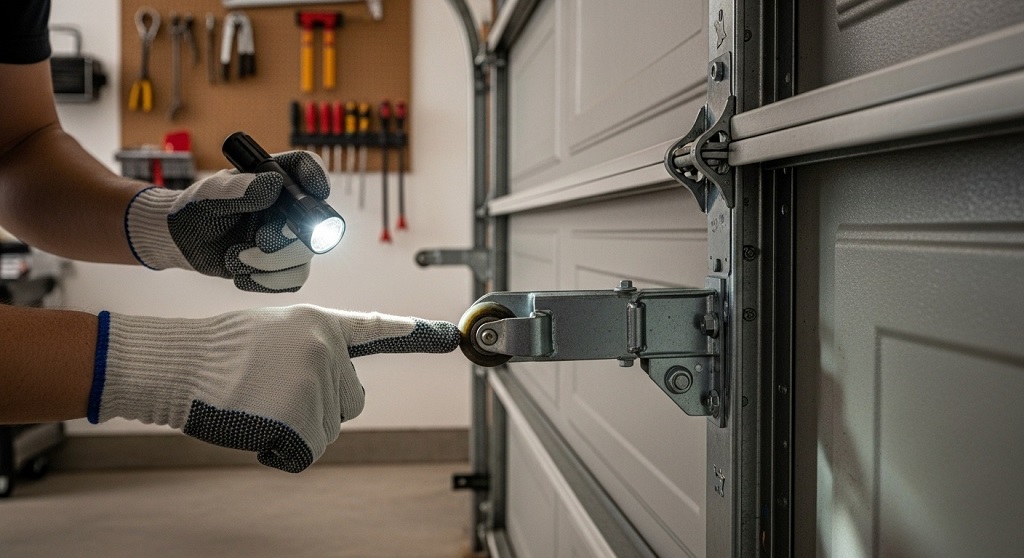
Regular maintenance schedules extend door lifespan and prevent unexpected failures. Annual inspections identify worn components before they cause system breakdowns. Moreover, professional lubrication and adjustment services maintain smooth operation.
Safety considerations require professional expertise and proper equipment. Spring tension adjustment and track alignment demand specialized knowledge and tools. Furthermore, electrical connections for openers must meet local electrical codes and safety standards.
Future Trends in Canadian Garage Door Industry
Connected home integration will continue expanding garage door capabilities. Voice control systems and artificial intelligence features enhance user convenience. Additionally, predictive maintenance alerts prevent unexpected breakdowns and service calls.
Sustainable materials and manufacturing processes will become industry standards. Bio-based insulation materials and renewable energy production reduce environmental impact. Moreover, circular economy principles influence product design and end-of-life considerations.
Customization options will expand through advanced manufacturing technologies. 3D printing and digital design tools enable unique configurations and personalization. Furthermore, shorter lead times and competitive pricing make custom options more accessible.
Conclusion
Canadian homeowners have clearly defined their garage door priorities for the modern era. Design excellence and exceptional durability form the foundation of current market demands. Additionally, smart technology integration and energy efficiency considerations drive purchasing decisions significantly.
Regional climate variations influence specific requirements and preferences substantially. However, the common thread remains the desire for products that combine aesthetic appeal with reliable performance. Furthermore, professional installation and maintenance ensure optimal return on investment.
The garage door industry continues evolving to meet these sophisticated homeowner expectations. Manufacturers invest heavily in research and development to deliver innovative solutions. Moreover, the focus on sustainability and environmental responsibility shapes future product development directions.
Share your garage door experiences and preferences in the comments below. Additionally, consider sharing this article with friends and neighbors planning home improvement projects.
Frequently Asked Questions
What materials offer the best durability for Canadian garage doors?
Steel with galvanized coating provides excellent durability against Canadian weather conditions. Composite materials offer wood appearance with minimal maintenance requirements. Additionally, aluminum works well in coastal areas prone to salt corrosion.
How much insulation do Canadian garage doors need?
R-values between 12-20 provide adequate insulation for most Canadian climates. Attached garages require higher insulation levels than detached structures. Additionally, heated garages benefit from maximum insulation ratings available.
What smart features are most popular among Canadian homeowners?
WiFi connectivity and smartphone control lead smart feature preferences. Battery backup systems ensure operation during power outages. Additionally, security monitoring and alert systems provide peace of mind for homeowners.
How often should Canadian garage doors receive professional maintenance?
Annual professional inspections and maintenance optimize performance and safety. Spring adjustments and lubrication prevent premature wear and breakdowns. Additionally, extreme weather conditions may require more frequent service intervals.
What factors most influence garage door replacement costs in Canada?
Door size, material selection, and insulation levels significantly impact pricing. Smart technology features and custom design elements increase costs substantially. Additionally, professional installation and local permit requirements affect total project expenses.
Read More: