
Why should you inspect garage door hardware regularly?
A garage door is more than just an entryway—it’s a moving system that relies on precise hardware to work safely. Over time, bolts loosen, springs weaken, rollers wear out, and hinges bend. If ignored, these small issues can snowball into expensive repairs or even cause accidents. A routine inspection helps you catch problems early, extend the lifespan of your door, and keep your household secure.
This guide explains exactly what parts you should check, what signs of wear to look for, and when replacement is the smarter choice. By following a structured checklist, you’ll gain confidence in maintaining your door and avoid unexpected breakdowns.
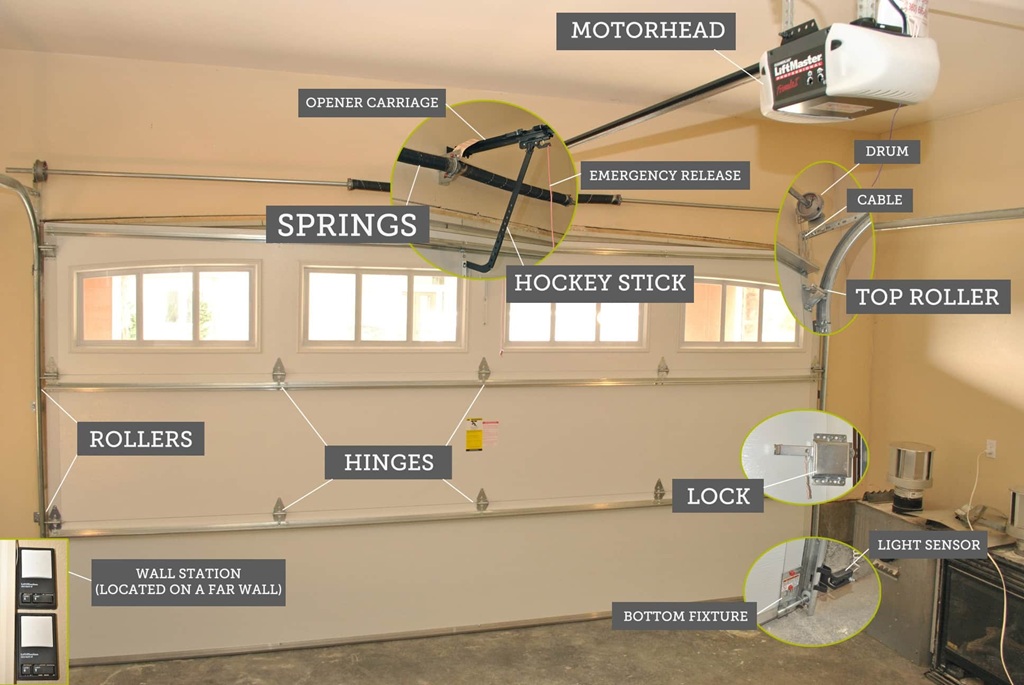
What parts of a garage door need the most attention during inspection?
Snippet Answer: The most critical areas are rollers, tracks, hinges, springs, cables, weather seals, and fasteners. Each plays a role in smooth, safe operation.
A garage door system works like a chain reaction—if one piece fails, others are affected. Here’s what deserves close inspection:
- Rollers: Worn or cracked rollers cause jerky movement and excess noise.
- Tracks: Bent tracks prevent the door from moving evenly.
- Hinges: Cracked or rusty hinges lead to panel misalignment.
- Springs: Torsion and extension springs are under high tension and show fatigue over time.
- Cables: Frayed cables are a safety hazard and can snap suddenly.
- Weather seals: Torn seals let in drafts, pests, and moisture.
- Fasteners: Loose nuts and bolts compromise stability.
How do you check rollers and when should you replace them?
Snippet Answer: Look for chips, cracks, or flat spots. Nylon rollers should be replaced every 7–10 years, while steel rollers last longer if lubricated.
Rollers keep your door gliding on its track. To inspect, manually operate the door and listen for grinding. Check if rollers wobble or resist movement. Nylon rollers are quieter but wear down with time; steel rollers are durable but prone to rust if not lubricated. If you see visible damage or the door feels heavy, it’s time for a replacement.
What should you examine in garage door tracks?
Snippet Answer: Ensure tracks are straight, free of dents, and firmly mounted. Small bends can be corrected, but deep dents usually require replacement.
Tracks guide the entire door up and down. Stand to the side and see if they’re parallel. Even a slight bend can strain the opener and rollers. Tighten the brackets that secure the track to the wall. If dents are small, you can use a rubber mallet to realign them. Severe damage, however, calls for new track installation.
Why are hinges important and how do you inspect them?

Snippet Answer: Hinges hold panels together and keep the door aligned. Check for cracks, warping, or missing screws, and replace damaged hinges immediately.
Hinges absorb constant stress as the door bends along the track. A cracked hinge can misalign panels, making the door difficult to open. Inspect each hinge for rust and wear. Tighten loose screws and ensure no metal is tearing around screw holes. A damaged hinge is inexpensive to replace but prevents bigger issues.
How can you tell if garage door springs are wearing out?
Snippet Answer: Springs show signs of wear if the door feels heavy, opens unevenly, or if you see gaps in the coil. Springs usually last 10,000 cycles.
Springs do the heavy lifting, counterbalancing the door’s weight. To test, disconnect the opener and lift the door manually. A healthy spring lets the door stay halfway open without dropping. If the door slams shut or feels unusually heavy, the spring is weak. Never attempt a spring replacement yourself—it’s a high-tension job best left to professionals.
What should you look for when checking cables?
Snippet Answer: Inspect for fraying, rust, or kinks. Any visible damage means cables should be replaced immediately for safety.
Cables run alongside springs, controlling the lifting force. A frayed cable can snap unexpectedly, causing the door to drop. Check for rust, loose strands, or kinks. Unlike springs, cables don’t last as long and should be replaced as soon as wear is noticed. Always call a technician for this job since tension is involved.
How do you inspect weather seals and when should you replace them?
Snippet Answer: Look for cracks, gaps, or stiffness. Replace seals if they no longer block air, pests, or moisture effectively.
Weather seals keep your garage insulated and dry. Over time, rubber hardens and cracks. Slide your hand along the bottom seal—if you feel unevenness or see daylight through gaps, it’s no longer effective. Replacement seals are affordable and can be installed with basic tools. A new seal improves comfort and lowers energy bills.
Why should you tighten bolts and fasteners during inspection?
Snippet Answer: Loose fasteners reduce stability and cause vibrations that damage other components. Tighten them regularly to prevent breakdowns.
Every part of your door is held together by nuts, bolts, and screws. Daily movement loosens them gradually. During inspection, go over each hinge, bracket, and track bolt with a wrench. A few minutes of tightening can prevent rattling, premature wear, and even collapse in extreme cases.
How often should you perform a garage door hardware inspection?
Snippet Answer: Do a quick monthly check and a full inspection twice a year. Replace parts as soon as wear is visible.
A monthly routine—checking rollers, tracks, and seals—keeps your system reliable. Twice a year, take more time to review springs, cables, and fasteners. Don’t wait for visible failure; preventive replacement saves money long-term. Homeowners who follow this schedule enjoy smoother operation and fewer emergency repairs.
Conclusion: Why proactive inspection saves money and stress
Garage door hardware inspection is not just about tightening a bolt or greasing a roller. It’s a preventive step that extends the life of your entire system. By catching weak springs, damaged cables, or bent tracks early, you avoid costly repairs and protect your home’s safety. A garage door is used daily, often without thought—but treating it as an essential system makes a difference. Make inspection part of your routine, and your garage door will stay reliable for years to come.
Call to Action: If you notice worn parts or aren’t confident handling high-tension components, schedule a professional garage door service. Regular maintenance ensures safety, efficiency, and peace of mind.
Read More Also: Simple ways to boost kerb appeal
Frequently Asked Questions
How long do garage door rollers last?
Nylon rollers typically last 7–10 years, while steel rollers can last longer if lubricated regularly.
Can I replace garage door springs myself?
No. Springs are under extreme tension and pose serious risks. Always hire a trained technician.
What lubricant should I use on hardware?
Use a silicone-based spray or garage door lubricant. Avoid heavy grease—it attracts dust and clogs movement.
How do I know if my tracks are misaligned?
If your door jerks, scrapes, or looks uneven when closing, the tracks may be out of alignment.
What’s the easiest DIY replacement for homeowners?
Weather seals and loose fasteners are safe and simple to handle without professional help.
How often should I replace garage door hardware?
Inspect monthly and replace parts like rollers or seals every 7–10 years, or sooner if damage is visible.
Do loose bolts affect the opener?
Yes. Loose bolts cause vibration, which strains the opener motor and gears over time.