
Kitchen remodeling transforms your home’s heart into a functional, beautiful space that adds value and joy to daily life. Smart planning, quality materials, and expert design choices create kitchens that work better and look stunning.
Planning Your Kitchen Transformation
Start with a clear budget and timeline. Most kitchen remodels take 6-12 weeks to complete. However, proper planning can reduce delays and unexpected costs.
Measure your space carefully. Document existing plumbing and electrical locations. Therefore, you can identify which elements to keep and which to change.
Consider your cooking habits and lifestyle needs. Additionally, think about how you entertain guests and use your kitchen beyond meal preparation.
Layout Options That Maximize Space
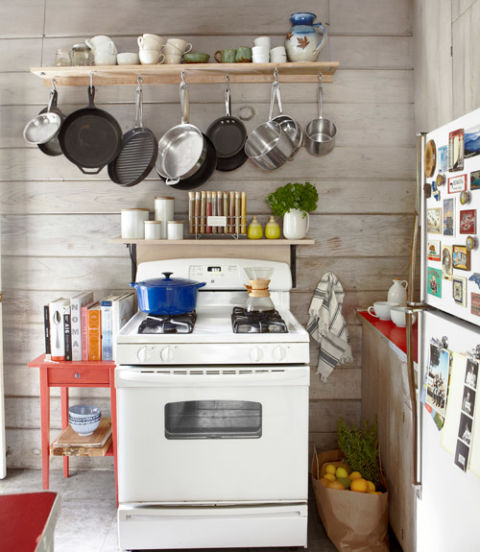
The galley layout works best for narrow kitchens. Two parallel counters create efficient work triangles. This design maximizes storage in smaller spaces.
L-shaped layouts suit corner spaces perfectly. They provide ample counter space and allow for kitchen islands. Furthermore, this layout separates cooking and cleaning zones naturally.
Open-concept designs connect kitchens to living areas. Remove walls to create flowing spaces that feel larger. However, ensure proper ventilation to manage cooking odors and noise.
Cabinet Selection and Storage Solutions
Choose cabinets that reach the ceiling. This maximizes storage and creates a custom, built-in appearance. Additionally, taller cabinets make rooms feel more spacious.
Soft-close hinges and drawer slides add luxury and durability. They prevent slamming and extend cabinet life significantly.
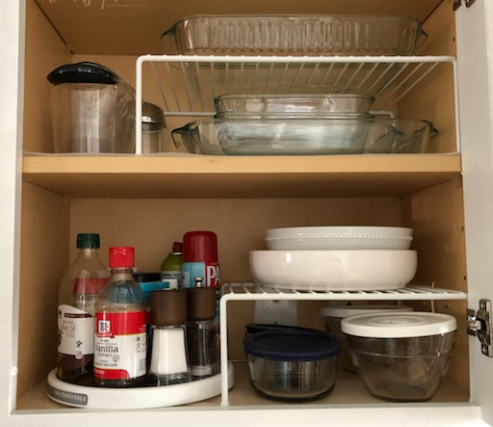
Install pull-out shelves and lazy Susans in corner cabinets. These solutions make deep spaces accessible and organized. Therefore, you use every inch of storage effectively.
Countertop Materials for Every Budget
Quartz countertops resist stains, scratches, and heat. They require no sealing and come in countless colors and patterns. However, they cost more than natural stone options.
Granite remains popular for its natural beauty and durability. Each slab offers unique patterns and colors. Additionally, proper sealing protects against stains and bacteria.
Butcher block countertops add warmth and character. They cost less than stone but require regular maintenance. Furthermore, they can be sanded and refinished when damaged.
Lighting Design That Makes a Difference

Layer different types of lighting for optimal function. Combine ambient, task, and accent lighting throughout your kitchen space.
Under-cabinet LED strips illuminate work surfaces effectively. They reduce shadows while chopping and cooking. Therefore, food preparation becomes safer and more enjoyable.
Pendant lights over islands create focal points and task lighting. Choose fixtures that complement your kitchen’s style and scale. Additionally, dimmer switches allow mood adjustment throughout the day.
Appliance Upgrades Worth the Investment
Induction cooktops heat faster and more efficiently than gas or electric. They stay cool to touch and clean easily. However, they require compatible cookware to function properly.
French door refrigerators offer easier access to fresh foods. Bottom freezer drawers organize frozen items better than traditional designs. Furthermore, they fit most kitchen layouts seamlessly.
Dishwasher upgrades improve cleaning performance and reduce noise. Look for models with adjustable racks and multiple wash cycles. Additionally, energy-efficient models lower utility bills over time.
Color Schemes That Stand the Test of Time
Neutral colors create timeless appeal and resale value. White, gray, and beige work with changing trends and personal tastes.
Two-tone cabinets add visual interest without overwhelming spaces. Use darker colors on lower cabinets and lighter shades above. Therefore, kitchens feel balanced and sophisticated.
Bold accent colors work best in easily changeable elements. Paint walls, add colorful backsplashes, or choose vibrant accessories. However, keep major elements neutral for longevity.
Flooring Options for High-Traffic Areas
Luxury vinyl plank flooring mimics hardwood beautifully. It resists water, scratches, and stains while costing less than real wood. Additionally, it installs over most existing floors.
Ceramic and porcelain tiles offer unlimited design possibilities. They handle spills and heavy traffic exceptionally well. Furthermore, radiant heating systems work perfectly underneath tile floors.
Hardwood floors add warmth and value to kitchens. Choose harder woods like oak or maple for durability. However, seal them properly to prevent water damage near sinks.
Smart Technology Integration
Smart faucets respond to voice commands and motion sensors. They conserve water and keep hands-free operation clean. Therefore, cooking and cleaning become more convenient.
Wi-Fi enabled appliances allow remote monitoring and control. Preheat ovens, adjust refrigerator temperatures, or check dishwasher cycles from anywhere.
USB outlets in backsplashes charge devices conveniently. Install them near breakfast bars or coffee stations. Additionally, they eliminate countertop cord clutter.
Budgeting and Cost-Saving Strategies
Allocate 20% of your budget for unexpected issues. Old homes often reveal plumbing, electrical, or structural surprises during renovation.
Keep existing plumbing and electrical locations when possible. Moving these systems increases costs significantly. However, sometimes changes improve functionality enough to justify expenses.
Consider doing some work yourself. Painting, hardware installation, and simple demolition can reduce labor costs. Furthermore, research tasks thoroughly before attempting them.
Read More Also: Clean Workspaces Increase Employee Retention in Dubai
Conclusion
Kitchen remodeling requires careful planning, smart material choices, and realistic budgeting. Focus on layout optimization, quality appliances, and timeless design elements. Therefore, your investment creates lasting value and daily enjoyment.
Start with professional consultations to understand your options and costs. Additionally, prioritize changes that improve both function and appearance. Your dream kitchen becomes reality through thoughtful planning and expert execution.
Read More Also: Pet-Friendly Flooring Colorado Springs Homes
Frequently Asked Questions
How long does a typical kitchen remodel take?
Most kitchen remodels take 6-12 weeks from start to finish. However, complex projects with structural changes may require 3-4 months. Timeline depends on permit requirements, material availability, and scope of work.
What’s the average cost of a kitchen remodel?
Kitchen remodels typically cost $15,000-$50,000 for mid-range projects. High-end renovations can exceed $75,000. Therefore, establish a realistic budget based on your home’s value and local market conditions.
Should I hire professionals or DIY my kitchen remodel?
Hire professionals for plumbing, electrical, and structural work. Additionally, cabinet installation and countertop fabrication require specialized skills. However, painting, hardware installation, and demolition work suit DIY approaches.
How do I maximize storage in a small kitchen?
Use vertical space with tall cabinets and open shelving. Install pull-out drawers and lazy Susans for better access. Furthermore, consider multi-functional furniture like kitchen islands with built-in storage.
What kitchen features add the most resale value?
Updated appliances, stone countertops, and quality cabinets provide the best returns. Additionally, improved lighting and modern flooring appeal to buyers. However, over-improving beyond neighborhood standards won’t recover costs.