

Metal roofing has become increasingly popular in areas prone to severe weather. These durable materials offer excellent protection against harsh conditions. However, installing a metal roof in high wind zones requires specialized knowledge and techniques. This guide will walk you through the essential steps and considerations for a successful installation.
Understanding High Wind Zone Classifications
Before starting your project, you need to understand wind zone ratings. The International Building Code divides areas into different wind speed categories. These classifications determine the installation requirements for your roof.
High wind zones typically experience wind speeds exceeding 110 miles per hour. Coastal regions and hurricane-prone areas fall into this category. Additionally, mountainous regions and open plains may also qualify as high wind zones. Your local building department can provide specific information about your area’s classification.
Choosing the Right Metal Roofing Material
Not all metal roofing materials perform equally in high wind conditions. Steel and aluminum are popular choices for their strength and durability. Steel roofing offers superior strength and resistance to impact damage. Meanwhile, aluminum provides excellent corrosion resistance in coastal environments.
The gauge or thickness of the metal matters significantly. Thicker materials generally withstand wind forces better than thinner options. Most experts recommend 26-gauge steel or thicker for high wind applications. Furthermore, the panel profile affects wind resistance. Standing seam systems typically outperform exposed fastener panels in severe weather.
Proper Roof Deck Preparation
A solid foundation is critical for metal roof performance. The roof deck must be structurally sound and properly attached to the building frame. Any damaged or deteriorated decking should be replaced before installation begins.
The deck spacing affects how well your roof resists wind uplift. Closer spacing provides better support and reduces the risk of panel deflection. Most building codes require specific deck attachment patterns for high wind areas. Therefore, following these requirements is not optional but mandatory for safety.
Selecting Appropriate Underlayment
Underlayment provides an essential secondary barrier against water infiltration. In high wind zones, you need premium-quality synthetic underlayment. These materials offer superior tear resistance compared to traditional felt paper.
The underlayment must be properly secured to prevent wind damage. Use appropriate fasteners spaced according to manufacturer specifications. Additionally, ensure all seams are properly overlapped and sealed. This creates a continuous barrier that protects your building if the metal panels are compromised.
Critical Fastening Techniques
Fastening represents the most crucial aspect of metal roof installation in windy areas. Proper fastener selection and placement directly impact your roof’s ability to resist wind uplift. According to the Metal Construction Association, inadequate fastening is a leading cause of metal roof failures during severe weather events.
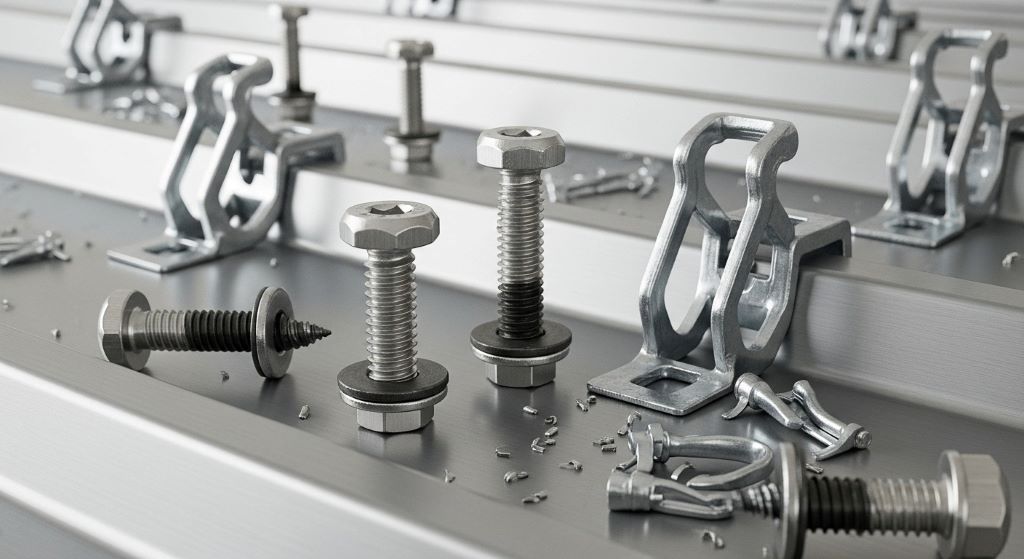
Use fasteners specifically designed for high wind applications. These typically feature larger heads and specialized threads. The fastener length must be sufficient to penetrate the deck adequately. Most codes require at least three-quarters of an inch penetration into solid wood decking.
Fastener spacing is equally important. High wind zones require closer spacing than standard applications. Edge zones and corners experience higher wind loads and need additional fasteners. Therefore, you must follow engineered fastening patterns for your specific wind rating.
Installing Standing Seam Systems
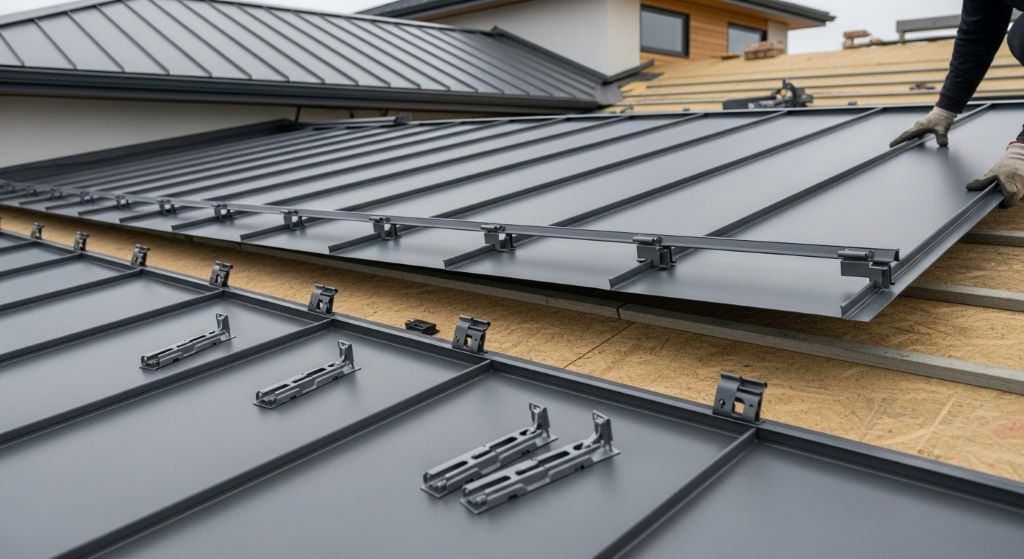
Standing seam metal roofs provide superior wind resistance. These systems use concealed clips that allow for thermal movement. The clips attach to the deck while securing the panel edges.
Start installation at the eave and work toward the ridge. Each panel connects to the previous one through the seaming process. Mechanical seaming creates a weathertight connection between panels. This method is preferred over hand seaming in high wind areas because it provides consistent seam quality.
The seam height affects wind performance. Taller seams generally resist wind forces better than shorter profiles. However, they may also catch more wind in certain conditions. Therefore, consulting with an engineer helps determine the optimal profile for your location.
Proper Edge and Perimeter Details
Roof edges experience the highest wind pressures. Consequently, edge details require special attention during installation. Use heavy-gauge edge metal specifically rated for high wind applications.
The edge metal must be securely fastened at close intervals. Typical spacing ranges from six to twelve inches depending on wind ratings. Additionally, ensure proper overlap at corners and transitions. These connections must be sealed to prevent water infiltration.
Gable ends and eaves are particularly vulnerable to wind damage. Install additional clips or fasteners in these areas. Some installations may require continuous cleats along vulnerable edges. This provides maximum resistance against wind uplift forces.
Flashing and Penetration Details
All roof penetrations create potential weak points in your roofing system. Proper flashing installation is essential for maintaining wind resistance. Use heavy-duty flashing materials designed for metal roofing applications.
Secure flashings with adequate fasteners to prevent wind-driven water infiltration. All flashing seams should be sealed with high-quality sealants. Furthermore, ensure that all penetrations are properly integrated with the underlayment system.
Chimney and vent pipe flashings require particular attention. These features interrupt the roof’s continuous surface and create turbulence. Therefore, additional reinforcement around these areas provides extra protection against wind damage.
Quality Control and Inspection
Regular inspection during installation catches potential problems early. Check fastener placement and spacing throughout the project. Verify that all panels are properly aligned and secured.
Many jurisdictions require third-party inspections for high wind zone installations. These inspections ensure compliance with building codes and engineering specifications. Don’t skip this step, as it validates your installation quality. Moreover, proper documentation may be necessary for insurance and warranty purposes.
Understanding Wind Uplift Ratings
Metal roofing systems receive wind uplift ratings through standardized testing. These ratings indicate the wind speeds a properly installed system can withstand. The rating includes both the roofing material and the installation method.
Your installation must meet or exceed the required wind rating for your zone. This typically involves following specific fastening patterns and using approved materials. According to FEMA, proper installation techniques can significantly reduce wind damage to residential and commercial buildings.
Maintenance Considerations for High Wind Areas
Even properly installed metal roofs require periodic maintenance. Regular inspections help identify potential issues before they become serious problems. Check for loose fasteners, damaged panels, and compromised sealants.
After major wind events, conduct thorough roof inspections. Look for signs of panel movement or fastener withdrawal. Additionally, inspect all flashing and edge details for damage. Prompt repairs prevent minor issues from escalating into major problems.
Conclusion
Installing a metal roof in high wind zones demands careful attention to detail and proper techniques. Success requires selecting appropriate materials, preparing the deck properly, and following engineered fastening patterns. The edge details, flashing installations, and quality control measures all contribute to overall performance. By following these guidelines and working with experienced professionals, you can ensure your metal roof provides reliable protection against severe weather. Remember that cutting corners during installation compromises your roof’s ability to withstand high winds. Therefore, invest in proper installation techniques to protect your property for decades to come.
Frequently Asked Questions
What wind speed can a metal roof withstand?
Properly installed metal roofs can withstand wind speeds of 110 to 160 miles per hour, depending on the materials used and installation method. Standing seam systems with engineered fastening patterns typically offer the highest wind resistance ratings.
How much does it cost to install a metal roof in a high wind zone?
Installation costs typically range from eight to fourteen dollars per square foot in high wind zones. The price varies based on material selection, roof complexity, and local labor rates. Additionally, enhanced fastening requirements and premium materials increase costs compared to standard installations.
Do metal roofs require special permits in high wind areas?
Yes, most high wind zones require building permits and inspections for metal roof installations. Local building departments enforce specific code requirements based on your area’s wind classification. Furthermore, some jurisdictions require engineered drawings and third-party inspections.
How long does a metal roof last in hurricane-prone areas?
Metal roofs in hurricane-prone areas typically last forty to seventy years with proper installation and maintenance. The longevity depends on material quality, coating systems, and exposure to salt air. Regular inspections and prompt repairs extend the roof’s service life significantly.
Can I install a metal roof over existing shingles in high wind zones?
Most building codes prohibit installing metal roofing over existing shingles in high wind zones. The existing shingles prevent proper deck attachment, which is critical for wind resistance. Therefore, complete removal of old roofing materials is typically required before metal roof installation.
Related Topics:
Flat Roof Leaks: Causes, Prevention, and Repair
Protecting Your Home: A Comprehensive Guide to Safe Snow and Ice Removal from Your Roof


 0
0
 0
0


Average Rating