
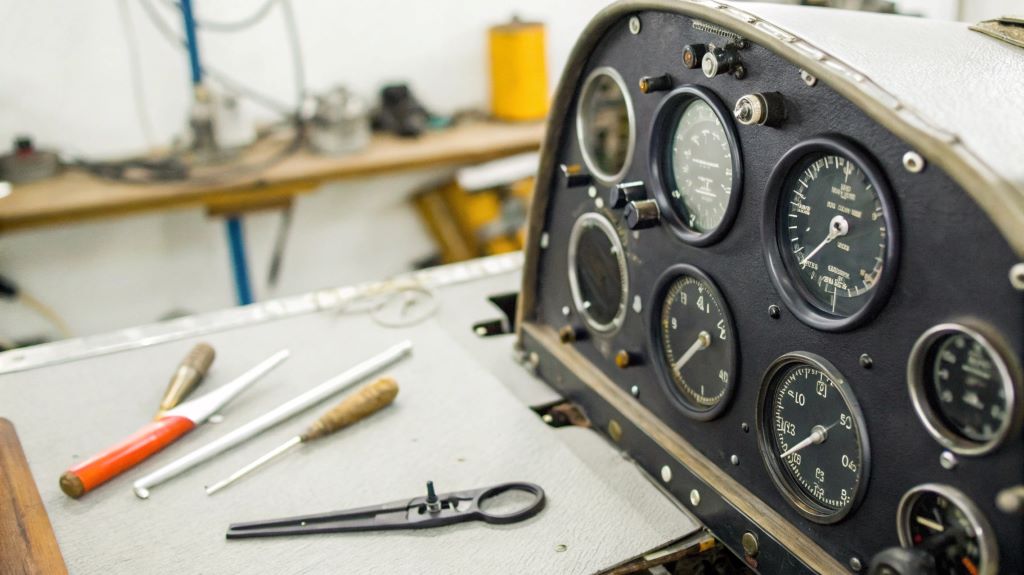

Maintaining an aircraft’s engine health is critical for safe flight, and the oil pressure gauge is a key instrument pilots rely on to monitor engine performance. A malfunctioning gauge can lead to misinformed decisions, potentially compromising safety. At Bixideco, we understand the importance of reliable aircraft systems and aim to provide pilots with practical guidance. This comprehensive guide explores common issues with aircraft oil pressure gauges, offering step-by-step troubleshooting tips to ensure accurate readings and optimal engine performance.
Understanding the Aircraft Oil Pressure Gauge
The aircraft oil pressure gauge is a vital instrument that displays the pressure of oil circulating within the engine. It helps pilots monitor whether the engine’s lubrication system is functioning correctly, preventing wear and overheating. A faulty gauge can indicate false readings, leading to unnecessary maintenance or, worse, overlooking critical engine issues. For a deeper dive into how these gauges work, check out Bixideco’s detailed guide on aircraft oil pressure gauges, which explains their mechanics and importance in flight operations.
Why Oil Pressure Gauges Malfunction
Oil pressure gauges can fail due to various reasons, ranging from mechanical issues to electrical faults. Understanding these causes is the first step in effective troubleshooting. Common problems include sensor failures, wiring issues, or blockages in the oil system. Additionally, environmental factors like temperature extremes or vibrations can affect gauge accuracy. By identifying the root cause, pilots and mechanics can address the issue efficiently and avoid costly repairs.
Step-by-Step Troubleshooting Process
Troubleshooting an aircraft oil pressure gauge requires a systematic approach. Below is a detailed guide to diagnosing and resolving common issues.
Step 1: Verify Gauge Readings
Begin by cross-checking the oil pressure gauge with other engine instruments, such as the oil temperature gauge. Inconsistent readings, such as low pressure with normal temperature, may indicate a gauge problem rather than an engine issue. Additionally, compare current readings with historical data or the aircraft’s operating manual to identify anomalies. If the gauge shows erratic fluctuations, proceed to the next step.
Step 2: Inspect the Gauge and Connections
Visually inspect the gauge for physical damage, such as cracks or fogged displays. Loose or corroded electrical connections can also cause inaccurate readings. Ensure all wiring and connectors are secure and free of corrosion. For older aircraft, worn-out wiring insulation may lead to short circuits, affecting gauge performance. Tighten connections and clean terminals as needed before testing again.
Step 3: Check the Oil Pressure Sensor
The oil pressure sensor, typically located near the engine, sends data to the gauge. A faulty sensor can cause incorrect readings. Inspect the sensor for signs of oil leaks, damage, or loose mounting. If possible, test the sensor using a multimeter to verify its output against manufacturer specifications. Replacing a defective sensor often resolves gauge issues without further intervention.
Step 4: Examine the Oil System
Low or fluctuating oil pressure readings may stem from issues within the oil system itself. Check the oil level and quality, ensuring it meets the aircraft’s requirements. Contaminated oil or a clogged oil filter can restrict flow, mimicking gauge problems. Additionally, inspect for leaks in the oil lines or engine seals. According to AOPA, low oil pressure can sometimes indicate pump wear, which requires immediate attention.
Step 5: Test with a Known Good Gauge
If the gauge, sensor, and oil system appear functional, consider testing with a replacement gauge. This step helps rule out a defective instrument. Temporarily install a known good gauge and compare its readings during engine operation. If the new gauge displays normal pressure, the original gauge is likely faulty and should be repaired or replaced.
Step 6: Consult a Professional Mechanic
If troubleshooting does not resolve the issue, consult a certified aircraft mechanic. Complex problems, such as internal engine issues or advanced electrical faults, require specialized tools and expertise. A mechanic can perform pressure tests or use diagnostic equipment to pinpoint the problem. This step ensures safety and compliance with aviation regulations.

Common Causes of Inaccurate Readings
Several factors can lead to inaccurate oil pressure readings, including:
- Faulty Sensors: Wear or damage to the pressure sensor can distort data sent to the gauge.
- Wiring Issues: Loose, corroded, or damaged wires can interrupt signal transmission.
- Oil System Blockages: Debris or sludge in the oil lines can reduce pressure, mimicking gauge failure.
- Gauge Calibration: Older gauges may drift out of calibration, requiring adjustment or replacement.
- Environmental Factors: Extreme temperatures or vibrations can affect gauge accuracy.
Addressing these issues promptly prevents misdiagnosis and ensures reliable engine monitoring.
Preventive Maintenance Tips
Preventing oil pressure gauge problems is easier than troubleshooting them. Regular maintenance can extend the life of the gauge and engine. Here are some practical tips:
- Routine Inspections: Check the gauge, sensor, and wiring during pre-flight and annual inspections.
- Oil Changes: Follow the manufacturer’s schedule for oil and filter changes to prevent contamination.
- Calibration Checks: Periodically verify gauge accuracy against a reference standard.
- Environmental Protection: Shield wiring and sensors from extreme heat, cold, or moisture.
- Professional Servicing: Schedule regular maintenance with a certified mechanic to catch issues early.
For more on maintaining aircraft systems, FAA’s maintenance guidelines offer valuable insights into best practices.
When to Replace the Oil Pressure Gauge
If troubleshooting confirms a faulty gauge, replacement may be necessary. Signs that a gauge needs replacing include persistent erratic readings, physical damage, or failure to calibrate. When selecting a new gauge, ensure it meets the aircraft’s specifications and regulatory standards. Modern digital gauges offer improved accuracy and durability compared to analog models, though they may require different installation procedures. Always consult the aircraft’s maintenance manual and a certified mechanic for proper installation.
Conclusion
Troubleshooting an aircraft oil pressure gauge is a critical skill for pilots and mechanics, ensuring engine health and flight safety. By systematically checking the gauge, sensor, wiring, and oil system, most issues can be identified and resolved. Regular maintenance and prompt attention to abnormal readings can prevent costly repairs and enhance reliability. Whether you’re a seasoned pilot or a maintenance professional, understanding the steps outlined in this guide empowers you to keep your aircraft in top condition.
Frequently Asked Questions
What does an aircraft oil pressure gauge do?
The oil pressure gauge monitors the pressure of oil circulating in the engine, ensuring proper lubrication and preventing engine damage.
Why is my oil pressure gauge reading low?
Low readings can result from a faulty gauge, sensor issues, low oil levels, or blockages in the oil system. Systematic troubleshooting is needed to identify the cause.
Can I fly with a faulty oil pressure gauge?
Flying with a malfunctioning gauge is risky and may violate regulations. Always resolve gauge issues before flight to ensure accurate engine monitoring.
How often should I check my oil pressure gauge?
Inspect the gauge during pre-flight checks and annual maintenance. Regular calibration and system checks help maintain accuracy.
Should I choose a digital or analog oil pressure gauge?
Digital gauges offer better accuracy and durability, but analog gauges are simpler and may suit older aircraft. Consult your aircraft’s manual for compatibility.
Read More:
How Can Silent Alexa Interactions Help You Enjoy Privacy and Peace at Home?


 0
0
 0
0


Average Rating