
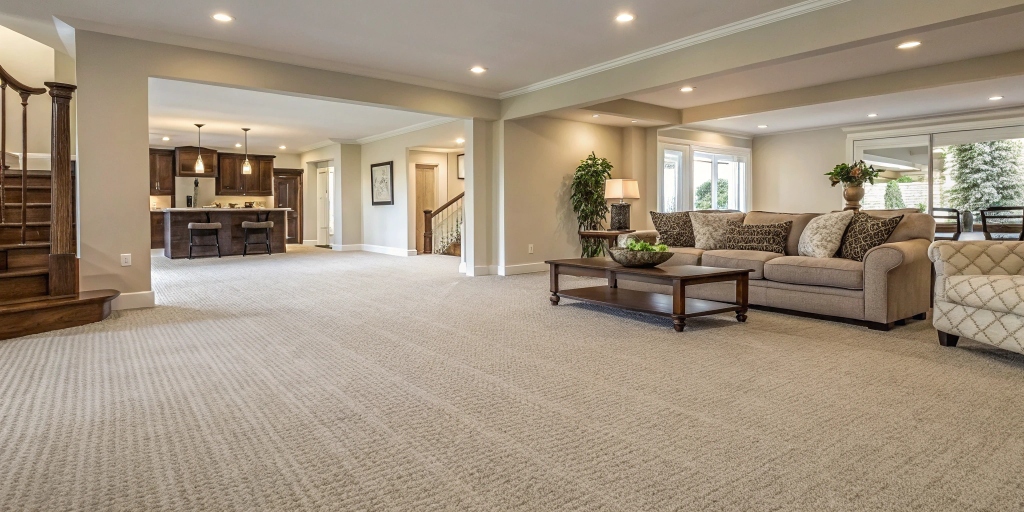

Open floor plans have become a defining feature of modern homes. By removing walls and creating larger, connected living spaces, open layouts offer flexibility, natural light, and a sense of flow that many homeowners love. However, when it comes to flooring—especially carpet—open floor plans require thoughtful planning and professional installation to achieve the right balance of comfort, durability, and visual continuity.
Installing carpet in an open floor plan is not the same as carpeting a single room. Understanding the unique challenges of these layouts can help homeowners make informed decisions and avoid common mistakes.
Why Open Floor Plans Change Carpet Installation
In traditional homes, carpet is often installed room by room, with natural breaks at doorways or walls. Open floor plans eliminate many of those transitions, creating large, uninterrupted spaces where flooring choices are highly visible.
Because there are fewer visual breaks, inconsistencies in carpet texture, seams, or installation quality are easier to notice. A wrinkle, poorly placed seam, or mismatched carpet direction can disrupt the entire space. This makes proper planning and precision installation especially important.
Choosing the Right Carpet for Open Spaces
Carpet selection plays a major role in how an open floor plan feels and functions. Large spaces experience varied foot traffic, furniture placement, and lighting conditions, all of which influence how carpet performs over time.
Low- to medium-pile carpets with dense construction tend to work best in open layouts. These options provide comfort while maintaining durability across high-traffic zones. Neutral colors and subtle patterns are also popular choices, as they help unify the space without overwhelming the design.
For homeowners exploring Fishers carpet options for open-concept living areas, durability and consistency are especially important to ensure the flooring performs well across connected spaces.
Managing Seams in Large Carpeted Areas
One of the biggest challenges in open floor plan carpet installation is seam placement. Because open layouts often exceed the width of standard carpet rolls, seams are sometimes unavoidable.
Professional installers carefully plan seam locations to minimize visibility and wear. Seams are typically placed away from primary sightlines and high-traffic paths whenever possible. Proper seam bonding and alignment are essential to prevent separation and maintain a smooth appearance.
DIY installation often struggles in this area, as improper seam placement or bonding can become noticeable quickly in large, open spaces.
Direction and Pattern Consistency
Carpet has a natural grain or nap direction that affects how light reflects across the surface. In open floor plans, maintaining consistent carpet direction is critical to avoid shading differences that can make sections of the floor appear mismatched.
This is especially important for textured or patterned carpets. If sections are installed with inconsistent orientation, the visual effect can be distracting and difficult to correct later. Professional installers understand how to manage direction and layout to maintain a cohesive look across the entire space.
Padding Matters More in Open Layouts
Padding plays a major role in how carpet feels and performs, particularly in open floor plans where foot traffic is spread across large areas. The wrong padding can lead to uneven wear, reduced comfort, and premature carpet failure.
Dense, supportive padding helps absorb impact, reduces stress on carpet fibers, and improves long-term performance. In open layouts, padding consistency is just as important as carpet consistency.
Transitions to Other Flooring Types
Many open floor plans combine carpet with other flooring materials such as hardwood, tile, or luxury vinyl. Smooth transitions between surfaces are essential for both aesthetics and safety.
Professional installation ensures transition strips are properly placed and aligned, creating a seamless flow between carpeted and hard-surface areas. Poorly executed transitions can interrupt the visual continuity of an open floor plan and create tripping hazards.
Furniture Placement and Long-Term Wear
Open floor plans often feature flexible furniture arrangements that change over time. Carpet installation must account for heavy furniture, large area rugs, and frequent movement.
Proper stretching during installation is critical to prevent rippling or shifting as furniture is rearranged. Carpet that is not stretched correctly can loosen over time, especially in large open areas with continuous traffic.
Why Professional Installation Is Especially Important
While carpet installation may seem straightforward, open floor plans amplify small mistakes. Visible seams, shading inconsistencies, or uneven padding can detract from the entire space.
Professional installers bring experience, planning, and specialized tools that are essential for large, uninterrupted carpeted areas. Their expertise helps ensure proper seam placement, consistent direction, secure stretching, and long-term durability.
Final Thoughts
Carpet can be an excellent flooring choice for open floor plans when installed correctly. The key lies in thoughtful material selection, careful planning, and professional installation that accounts for the unique demands of large, connected spaces.
By investing in proper installation, homeowners can enjoy the comfort of carpet while preserving the clean, cohesive look that makes open floor plans so appealing.


 0
0
 0
0




Average Rating