


Gardening is a rewarding hobby that brings color and life to any outdoor space. For beginners, knowing when to plant flowers can feel overwhelming. Fortunately, The Village Gardener offers a wealth of resources to simplify the process. A month by month flower planting guide helps you plan your garden with confidence, ensuring vibrant blooms throughout the year. This article breaks down the best flowers to plant each month, offering practical tips for novice gardeners.
Why Timing Matters in Flower Gardening
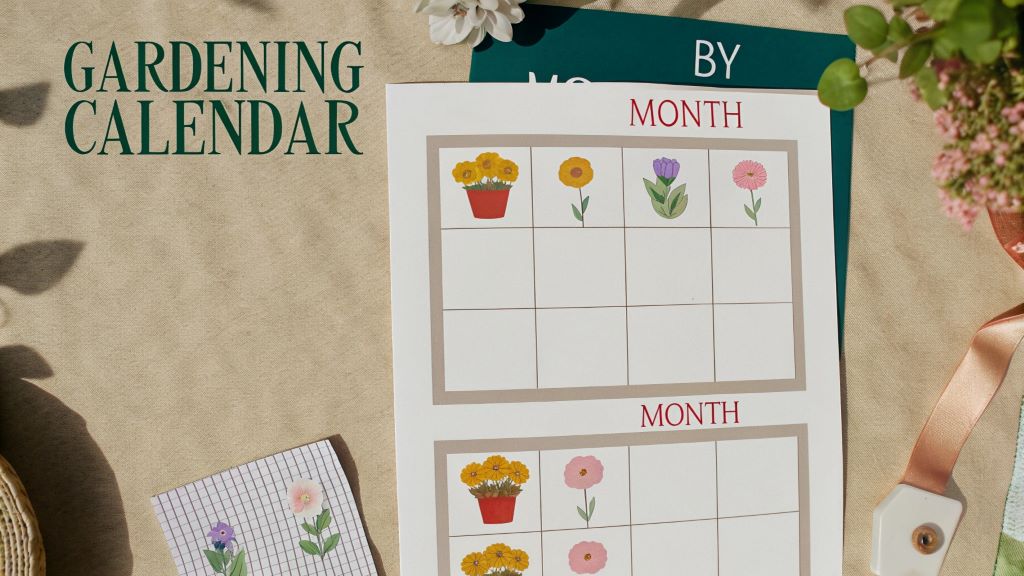
Timing is key to a thriving garden. Planting flowers at the right time ensures they grow strong and bloom beautifully. Each flower has a preferred season based on climate, soil temperature, and sunlight needs. A well-planned month by month flower planting guide simplifies this process. By following a clear schedule, you can avoid common mistakes and enjoy a colorful garden year-round.
January: Plan and Prepare
January is a quiet month for outdoor planting, but it’s perfect for planning. Start by sketching your garden layout and researching flowers that suit your climate. Cool-season annuals like pansies and snapdragons can be planted in milder regions. Additionally, order seeds for spring flowers such as marigolds or zinnias. Prepare your soil by adding compost to ensure it’s nutrient-rich for the growing season.
February: Start Seeds Indoors
In February, many gardeners begin sowing seeds indoors. Flowers like petunias, geraniums, and impatiens benefit from an early start. Use seed trays and keep them in a warm, sunny spot. Meanwhile, check your garden tools and clean them for the busy months ahead. If you live in a warm climate, you can plant hardy annuals like sweet peas directly in the ground.
March: Early Spring Planting
Spring begins to stir in March, making it an ideal time to plant early bloomers. Try planting violas, primroses, or daffodil bulbs in well-drained soil. These flowers thrive in cool weather and add cheerful color. Moreover, prepare garden beds by clearing weeds and adding mulch. For colder regions, continue starting seeds indoors for summer flowers like cosmos.
April: Expand Your Flower Beds
April brings warmer weather, perfect for planting a variety of flowers. Annuals such as sunflowers, nasturtiums, and poppies can go directly into the soil. Additionally, plant perennials like daylilies or coneflowers for blooms that return each year. Water regularly and watch for pests as the growing season kicks off. A month by month flower planting guide keeps you on track for success.
May: Embrace Vibrant Annuals
May is a busy planting month, especially for warm-season annuals. Zinnias, marigolds, and cosmos flourish in the warming soil. These flowers are easy to grow and add bold colors to your garden. Furthermore, consider planting bulbs like dahlias for late-summer blooms. Ensure your plants get enough water, especially during dry spells, to encourage strong growth.
June: Fill in the Gaps
By June, your garden should be taking shape. Plant fast-growing annuals like cleome or spider flowers to fill empty spaces. Perennials such as lavender or salvia also thrive when planted now. Regularly deadhead spent blooms to encourage continuous flowering. Additionally, monitor soil moisture and mulch to retain water during hotter days.
July: Focus on Heat-Tolerant Flowers
Summer heat arrives in July, so choose heat-tolerant flowers like lantana, verbena, or portulaca. These plants love sunshine and require minimal care. Moreover, continue deadheading and watering to maintain healthy plants. If you’re in a cooler climate, plant late-season bulbs like gladiolus for stunning fall displays.
August: Plan for Fall Blooms
August is a great time to plant flowers that shine in autumn. Chrysanthemums, asters, and ornamental kale add vibrant fall colors. Additionally, sow seeds for cool-season annuals like pansies to bloom into late fall. Prepare for cooler weather by adding mulch to protect roots. A month by month flower planting guide ensures you’re ready for every season.
September: Transition to Cool-Season Flowers
As temperatures cool in September, focus on cool-season flowers. Plant snapdragons, violas, or sweet alyssum for late-season beauty. Furthermore, divide overgrown perennials like hostas to keep them healthy. Clean up garden beds by removing faded annuals and adding compost to enrich the soil for next year.
October: Plant Spring Bulbs
October is prime time for planting spring-flowering bulbs like tulips, hyacinths, and crocuses. These bulbs need cold winter months to bloom beautifully in spring. Additionally, plant hardy annuals like calendula for late-fall color. Protect young plants from frost with row covers if needed.
November: Final Planting and Cleanup
In November, focus on tidying your garden. Plant late-season bulbs like daffodils in milder climates for early spring blooms. Additionally, mulch beds to insulate soil against winter cold. Remove dead plants and store tools properly. Planning now sets the stage for a successful gardening year.
December: Reflect and Prepare
December is a time to rest and reflect. Review your garden’s successes and plan for next year. Order seed catalogs and research new flowers to try. In warmer regions, you can still plant cool-season annuals like primroses. Meanwhile, protect tender plants from frost with blankets or burlap.
Tips for Gardening Success
To make the most of your month by month flower planting guide, follow these tips:
- Know Your Zone: Check your USDA Hardiness Zone to choose flowers suited to your climate.
- Test Your Soil: Test soil pH and nutrients to ensure optimal growing conditions.
- Water Wisely: Water deeply but infrequently to encourage strong roots.
- Mulch Regularly: Mulch retains moisture and suppresses weeds.
- Stay Consistent: Follow your planting schedule to avoid missing key planting windows.
Common FAQs About Flower Planting
What is the best month to start planting flowers?
The best month depends on your climate and the flowers you choose. Generally, March or April is ideal for early spring planting, while May suits warm-season annuals.
Can I plant flowers in winter?
In milder climates, you can plant cool-season flowers like pansies in winter. In colder regions, focus on planning and starting seeds indoors during winter months.
How do I know which flowers to plant each month?
A month by month flower planting guide, like the one from The Village Gardener, outlines the best flowers for each month based on your region and climate.
What are the easiest flowers for beginners to grow?
Marigolds, zinnias, and sunflowers are easy for beginners. They’re low-maintenance and thrive in most climates with proper care.
How often should I water newly planted flowers?
Water newly planted flowers every few days, ensuring the soil stays moist but not waterlogged. Adjust based on weather and soil type.
Conclusion
A month by month flower planting guide simplifies gardening for beginners, ensuring a vibrant, blooming garden all year. By planning and planting according to the seasons, you can enjoy a variety of flowers with minimal stress. Start with easy-to-grow options like marigolds or pansies, and use resources like The Village Gardener to guide your journey. With consistent care and attention to timing, your garden will flourish, bringing joy and beauty to your outdoor space.
Read More:
The Sweet and Sticky Truth: Exploring the World of Bubble Gum Plant Cultivation
How to Harvest Basil: A Guide to Bountiful Harvests & Healthy Plants


 0
0
 0
0


Average Rating