
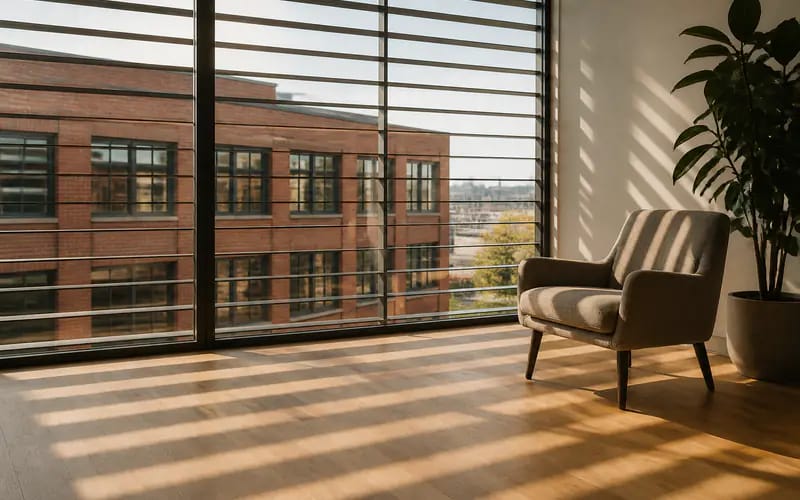
Why Sunlight Causes Fading
The main factors that cause fading are UV radiation, heat and light. Most damage to materials is caused by UV rays breaking down the molecular structure of the pigments in the material. The heat from sunlight also accelerates the fading process and finally the amount of light that is allowed to pass through the material can also cause fading. The amount of light that is allowed to pass through is cumulative, so the more light that is allowed to pass through the material, the more fading will occur.
Which Rooms Are Most at Risk
Many areas are subject to increased fading, but some are worse than others. For example, shop windows on the south and west sides suffer greatly, especially if there are lots of garments, furnishings, displays etc close to the glass. Other areas include wood flooring adjacent to patio doors and conservatories, upholstered furniture within conservatories, artwork on brightly coloured walls and archived paper documents stored in rooms with large areas of glass. Even stock stored behind large areas of glass in a shop can suffer from fading.
How Fixed Louvres Manage the Angle
A fixed horizontal brise soleil system can be designed to allow low angle winter sun into rooms whilst blocking steep angled summer sun. The depth and spacing of the fins can be set to achieve this balance and published guidance on daylighting and solar control in buildings can be very useful to determine the required geometry based on a building’s latitude and the sun’s angle at different times of the year. It is worth noting that south and west facing walls receive the most consistent overhead sun throughout the year and therefore require the deepest fins or closest spacing between them.
Why Orientation Changes the Design
While the angle of the sun remains consistent over the course of the year for south-facing walls, the deepest fins or closest spacings will be required for west-facing elevations to control the most intense sunlight at lower angles. In contrast, glazing on the north aspect requires little or no solar shading as it rarely receives direct sunlight. The depth of fins on facets of a building with glazing on multiple sides will therefore vary.
Fixed Versus Adjustable Shading
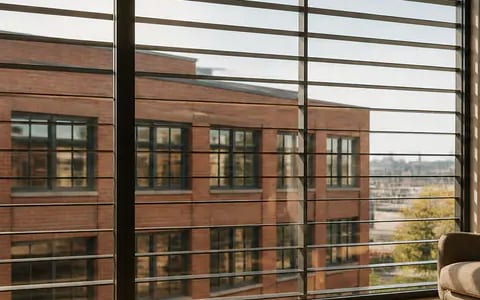
A fixed horizontal louvre system is ideal for buildings that have remain unchanged for years. However, shops change their window displays with the seasons and offices rearrange their staff to work around each other’s computers and screens. In these types of buildings a fixed solar shading solution will not be sufficient. A useful reference for Brise Soleil is Alu Systems.
Combining Shading With Other Measures
We believe that the best form of solar control is fixed external solar shading (brise soleil) and this should be the first line of defence. There are many forms of glass which filter out the worst of the UV radiation and therefore these should be used in conjunction with external solar shading. Internal solar control such as blinds and curtains then provide additional protection against the sun’s rays which will penetrate the external shading on occasion.
A Simple Check You Can Do Yourself
You should consider observing the windows of your building for a period of around 7 days to establish how much direct sunlight they receive and at what time of day this occurs. Observe the existing soft furnishings, floor coverings, interior finishes and stock held near windows for signs of fading – look for areas that are lightly faded compared to the remainder of the item and note the sunniest areas of furnishings etc. This will give you a far more accurate assessment of the solar risk to your building and help you when specifiying a shading solution with the architect/contrator.
Getting the depth and angle of your solar control correctly is important to provide year round comfort and avoid baking a room in summer or seeing stock degrade within 2 years due to fading.