
Box gable roofs combine classic triangular gables with a boxed-out design that creates additional interior space. These architectural features add character to homes while presenting unique insulation challenges. Properly insulating a box gable roof protects your home from energy loss, moisture damage, and temperature extremes. This guide explores the best practices for achieving optimal insulation performance in box gable roof structures.
Understanding Box Gable Roof Construction
A box gable roof extends beyond the exterior wall, creating a boxed projection that adds depth and visual interest to your home’s facade. Unlike standard gable roofs that sit flush with walls, box gables create pockets of space that require careful attention during insulation installation.
The extended structure means more surface area exposed to outdoor temperatures. Therefore, these areas become potential weak points for heat transfer if not properly insulated. Understanding the construction helps identify where insulation matters most.
Choosing the Right Insulation Material
Selecting appropriate insulation material directly impacts your roof’s thermal performance. Several options work well for box gable roofs, each with distinct advantages.
Fiberglass batts remain popular due to their affordability and ease of installation. These pre-cut sections fit between roof rafters and provide reliable thermal resistance. However, they require precise cutting around the box gable’s unique angles to prevent gaps.
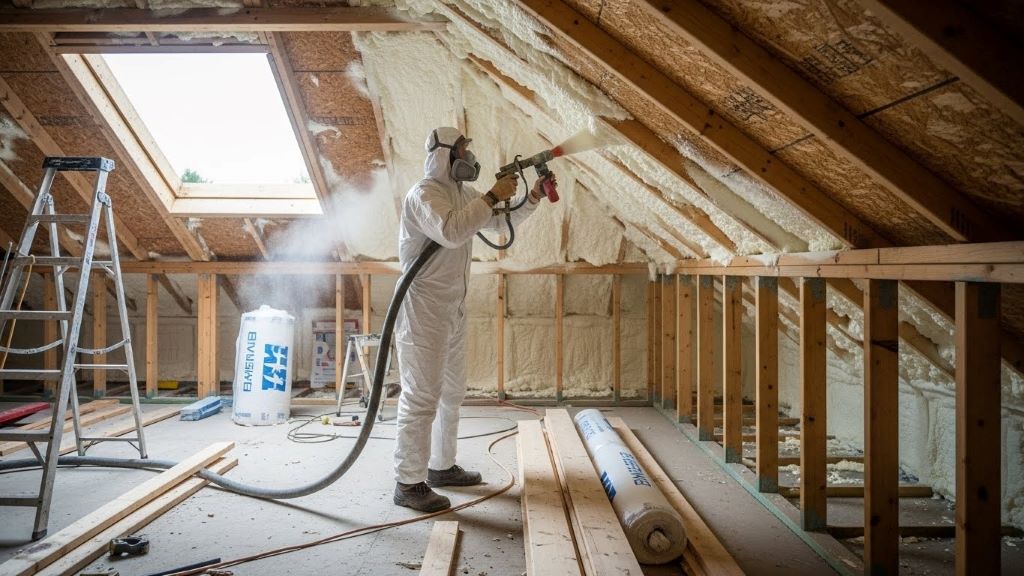
Spray foam insulation offers superior air sealing properties. This material expands to fill irregular spaces, making it ideal for the complex geometry of box gable structures. Additionally, closed-cell spray foam provides both insulation and moisture barrier properties in one application.
Rigid foam boards deliver excellent R-values per inch of thickness. These panels work particularly well on the exterior surfaces of box gable roofs. They create continuous insulation layers that minimize thermal bridging through wooden framing members.
Blown-in cellulose provides effective coverage in hard-to-reach areas. This loose-fill insulation settles into cavities and around obstacles, ensuring comprehensive coverage throughout the box gable structure.
Calculating Required R-Values
R-value measures insulation’s resistance to heat flow. Higher numbers indicate better insulating performance. Your climate zone determines the minimum R-value requirements for roof insulation.
The U.S. Department of Energy recommends R-values between R-38 and R-60 for attic spaces in most regions. Box gable roofs typically require similar values to maintain consistent thermal performance across the entire roof plane.
Furthermore, local building codes may specify minimum insulation requirements. Consulting with local authorities ensures your insulation project meets regulatory standards while optimizing energy efficiency.
Proper Ventilation Integration
Ventilation works hand-in-hand with insulation to prevent moisture problems and maintain roof longevity. Box gable roofs need adequate airflow to remove excess humidity and regulate temperature.
Installing baffles between rafters maintains clear airways from soffit vents to ridge vents. These channels prevent insulation from blocking airflow paths. Consequently, proper ventilation reduces condensation risk and extends roof material lifespan.
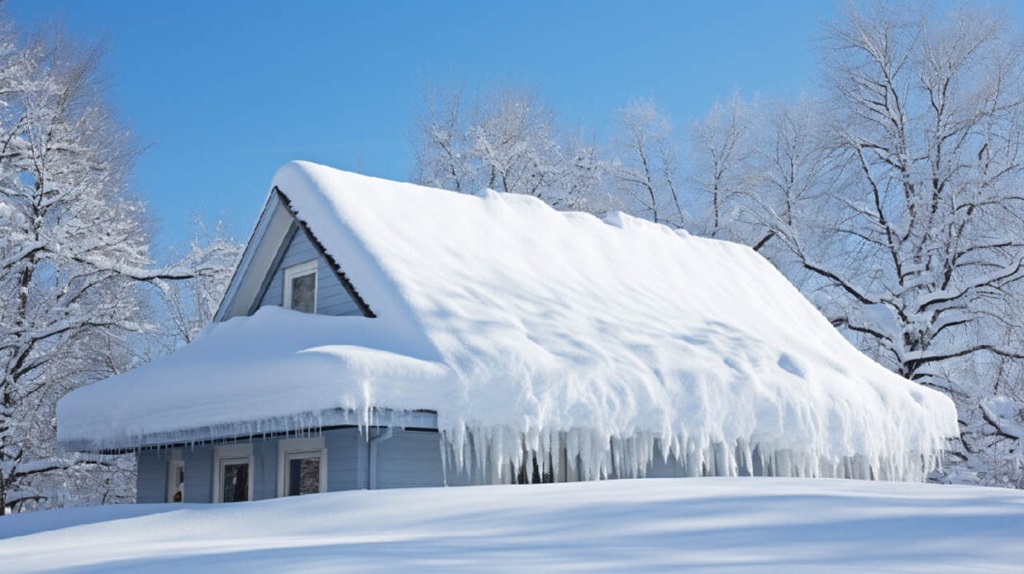
Ridge vents at the roof peak work with soffit vents at the eaves to create natural convection currents. This passive ventilation system continuously refreshes attic air without mechanical assistance. Moreover, adequate ventilation prevents ice dam formation during winter months by maintaining consistent roof temperatures.
Addressing Thermal Bridging
Thermal bridges occur where structural members create pathways for heat transfer through insulated assemblies. Wood framing in box gable roofs acts as thermal bridges that reduce overall insulation effectiveness.
Continuous insulation layers on the exterior side of framing minimize this effect. Installing rigid foam sheathing over rafters before adding roofing materials significantly improves thermal performance. This approach according to Fine Homebuilding creates an unbroken insulation barrier that prevents heat loss through structural components.
Alternatively, using insulated structural panels combines framing and insulation in single components. These panels eliminate traditional thermal bridging while simplifying installation processes.
Air Sealing Critical Areas
Air leakage undermines insulation performance more than any other factor. Small gaps and cracks allow conditioned air to escape while admitting outdoor air, forcing heating and cooling systems to work harder.
Sealing penetrations where wires, pipes, and ducts pass through insulated assemblies prevents air movement. Spray foam or caulk effectively closes these openings. Additionally, the junction where box gable walls meet the main roof structure requires thorough sealing.
Installing air barriers beneath insulation layers provides comprehensive protection against infiltration. Housewrap or specialized air barrier membranes create continuous protective layers that complement insulation materials.
Installing Insulation in Box Sections
The boxed-out portions of gable roofs present installation challenges due to limited access and irregular shapes. Starting from the exterior whenever possible simplifies the process and ensures complete coverage.
Removing exterior sheathing temporarily allows installers to fill cavities with spray foam or dense-pack cellulose. This approach guarantees insulation reaches all corners and angles within the box structure. Subsequently, replacing sheathing and finishing materials completes the weather-tight assembly.
When working from the interior, cutting access panels in finished ceilings provides entry points for insulation installation. Although this method requires patching and refinishing, it avoids exterior work on occupied homes.
Moisture Management Strategies
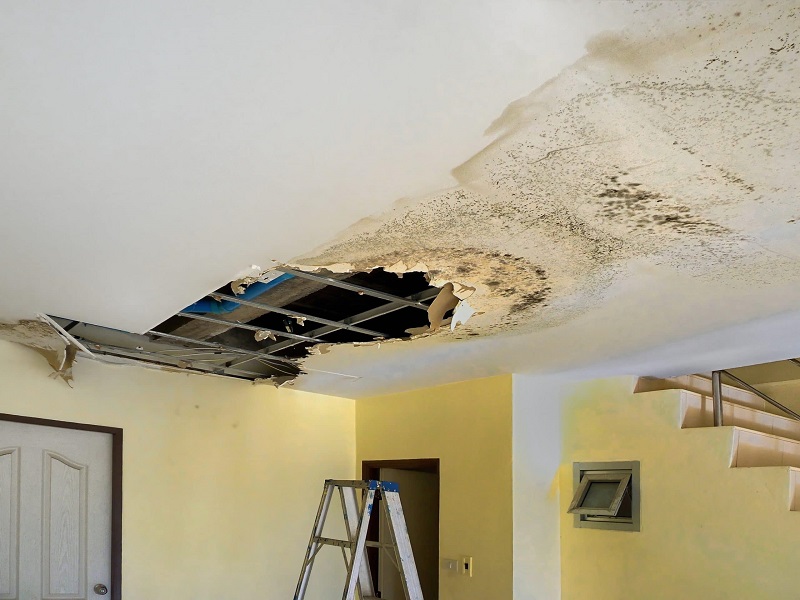
Moisture control protects insulation effectiveness and prevents structural damage. Box gable roofs face moisture challenges from both interior humidity and exterior weather exposure.
Vapor barriers or vapor retarders slow moisture migration through wall and roof assemblies. In cold climates, installing vapor barriers on the warm side of insulation prevents condensation within wall cavities. However, climate-specific recommendations vary, so consulting local building experts ensures appropriate moisture control strategies.
Proper flashing around box gable trim boards keeps water away from vulnerable junctions. Ice and water shield membranes beneath roofing materials provide secondary protection against wind-driven rain and ice dam leakage.
Professional Installation Versus DIY
Complex box gable roof geometries often benefit from professional installation expertise. Experienced contractors understand building science principles and recognize potential problems before they compromise performance.
Professional installers also carry liability insurance protecting homeowners from installation defects. Additionally, many jurisdictions require permits and inspections for insulation work, processes that professionals navigate routinely.
Nevertheless, motivated homeowners with construction experience can successfully insulate box gable roofs. Thorough research, careful planning, and attention to detail produce quality results. However, safety considerations including working at heights and handling insulation materials require proper equipment and precautions.
Inspecting and Maintaining Insulation
Regular inspections ensure insulation continues performing effectively over time. Checking attic spaces annually reveals problems like compressed insulation, moisture damage, or pest intrusion.
Compressed insulation loses R-value as trapped air pockets collapse. Fluffing fiberglass batts or adding blown-in insulation restores thermal resistance. Furthermore, replacing damaged insulation prevents progressive deterioration of surrounding materials.
Monitoring energy bills helps identify declining insulation performance. Unexplained increases in heating or cooling costs may indicate insulation problems requiring attention.
Conclusion
Insulating box gable roofs properly requires understanding their unique construction challenges and applying proven solutions. Choosing appropriate materials, achieving recommended R-values, integrating ventilation, addressing thermal bridging, and sealing air leaks create high-performance assemblies. Whether hiring professionals or tackling the project yourself, attention to detail ensures your box gable roof provides decades of energy-efficient protection. Regular maintenance and inspections preserve insulation effectiveness while preventing moisture and structural problems. Investing in quality insulation delivers comfort, energy savings, and home value protection for years to come.
Frequently Asked Questions
What is the best insulation type for box gable roofs?
Spray foam insulation typically performs best in box gable roofs due to its ability to fill irregular spaces and provide air sealing. However, the optimal choice depends on your budget, climate, and installation method. Fiberglass batts offer affordability, while rigid foam boards excel at preventing thermal bridging.
How much does it cost to insulate a box gable roof?
Insulation costs vary widely based on material choice, roof size, and labor rates. Expect to pay between three and seven dollars per square foot for professional installation. Spray foam costs more than fiberglass, but provides superior performance. Obtaining multiple quotes helps identify competitive pricing in your area.
Can I add insulation to an existing box gable roof?
Yes, adding insulation to existing box gable roofs improves energy efficiency without complete reconstruction. Blown-in insulation works well for retrofit applications since installers can inject it through small access holes. Alternatively, removing interior ceiling panels allows installation of batt or foam insulation.
How do I prevent ice dams on insulated box gable roofs?
Preventing ice dams requires combining adequate insulation with proper ventilation and air sealing. Insulation keeps heat inside living spaces rather than warming the roof deck. Ventilation removes any heat that reaches the attic, maintaining consistent roof temperatures. Air sealing prevents warm air from entering attic spaces initially.
Does box gable roof insulation require a vapor barrier?
Vapor barrier requirements depend on climate zone and insulation type. Cold climates generally benefit from vapor barriers on the warm side of insulation. However, some modern insulation materials like closed-cell spray foam provide their own vapor barrier properties. Consulting local building codes and climate-specific guidelines ensures appropriate moisture control strategies.
Related Topics:
How to Build a Gable Roof Over a Deck: Step-by-Step Guide for Homeowners
Huntsville Roofing Myths That Cost Homeowners Thousands Every Year