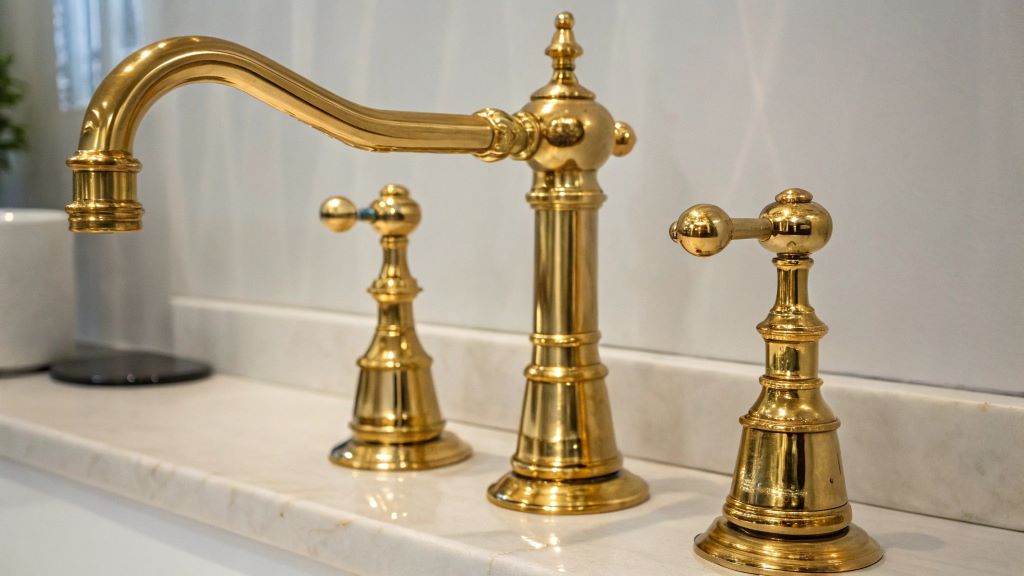
Lacquered brass has emerged as a stunning design choice for modern kitchens. This elegant metal finish brings warmth and sophistication to any culinary space. Kitchen designers and homeowners alike are discovering its unique appeal. The Funky Kitchen experts often recommend brass elements for clients seeking distinctive kitchen aesthetics.
The popularity of brass fixtures continues to grow in contemporary home design. Many homeowners consider brass as an alternative to traditional stainless steel or chrome finishes. However, choosing the right type of brass requires careful consideration. Understanding the differences between lacquered and unlacquered options is essential for making informed decisions.
When exploring lacquered brass countertops and backsplash pros and cons, homeowners discover both exciting benefits and potential challenges. This comprehensive guide examines every aspect of lacquered brass in kitchen applications. Therefore, you can make the best choice for your specific needs and lifestyle.
What Is Lacquered Brass?
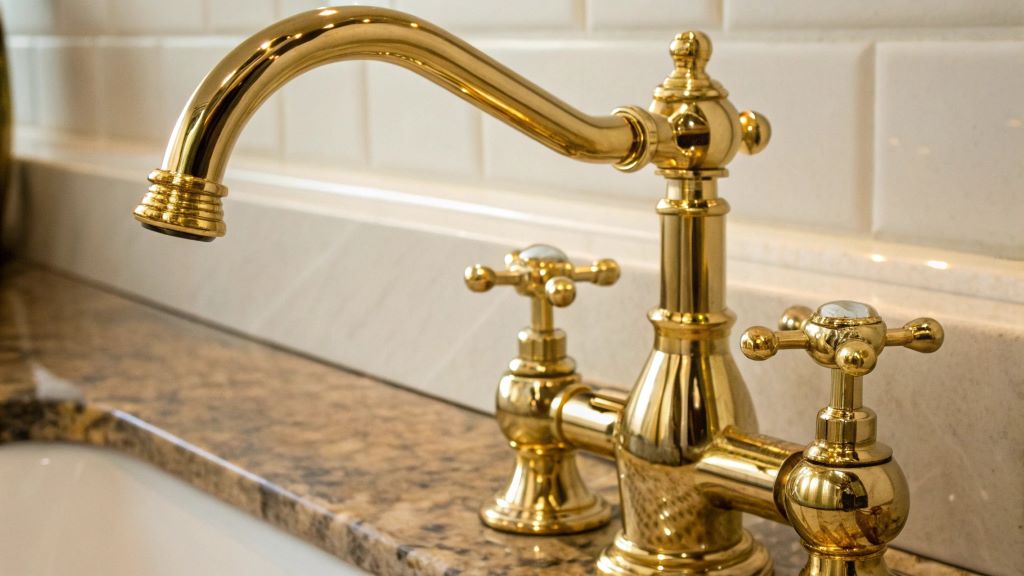
Lacquered brass consists of brass metal coated with a protective clear finish. This coating preserves the original golden color of the brass. Additionally, the lacquer prevents oxidation and tarnishing that naturally occurs with raw brass.
The manufacturing process involves applying multiple thin layers of clear protective coating. Each layer bonds to create a durable surface. Consequently, lacquered brass maintains its bright, polished appearance for extended periods.
Most lacquered brass products feature a consistent golden tone. This uniformity appeals to homeowners who prefer predictable finishes. However, the lacquer prevents the natural aging process that some people find attractive in unlacquered brass.
Advantages of Lacquered Brass in Kitchens
Consistent Appearance
Lacquered brass maintains its original color indefinitely. The protective coating prevents the natural patina development that occurs with unlacquered brass. Therefore, your kitchen fixtures will look the same years after installation.
This consistency proves particularly valuable in high-use kitchens. Homeowners appreciate knowing their investment will maintain its visual appeal. Additionally, the predictable appearance makes design planning much easier.
Low Maintenance Requirements
The lacquer coating significantly reduces maintenance needs. Regular cleaning with mild soap and water suffices for most situations. Furthermore, you avoid the polishing requirements associated with unlacquered brass.
Busy homeowners find this maintenance advantage especially appealing. The time saved on upkeep can be devoted to other household tasks. Moreover, the consistent appearance eliminates concerns about uneven aging patterns.
Stain Resistance
Lacquered brass resists many common kitchen stains. The protective coating creates a barrier against grease, food particles, and liquids. Consequently, cleanup becomes simpler and more efficient.
Spills that might permanently mark other surfaces wipe away easily from lacquered brass. This resistance proves valuable in busy kitchens with frequent cooking activity. Additionally, the stain resistance helps maintain the finish’s attractive appearance.
Versatile Design Integration
Lacquered brass complements numerous design styles and color schemes. The consistent golden tone pairs well with both warm and cool color palettes. Therefore, it works in traditional, contemporary, and transitional kitchen designs.
This versatility makes lacquered brass an excellent choice for homeowners uncertain about long-term design preferences. The finish adapts to changing decor without requiring replacement. Furthermore, it coordinates beautifully with various cabinet finishes and countertop materials.
Disadvantages of Lacquered Brass
Lack of Natural Character Development
The lacquer coating prevents the natural aging process that many people find appealing. Unlacquered brass develops a unique patina over time. However, lacquered brass maintains the same appearance indefinitely.
Some homeowners prefer the character that comes with natural aging. The living finish of unlacquered brass tells a story of use and time. Additionally, natural patina creates visual depth that lacquered surfaces cannot achieve.
Potential Coating Damage
The protective lacquer can chip, scratch, or wear away over time. Once damaged, the underlying brass becomes exposed to oxidation. Therefore, repairs become necessary to maintain the uniform appearance.
High-traffic areas face greater risk of coating damage. Kitchen environments with heavy use can accelerate wear patterns. Moreover, improper cleaning techniques can compromise the lacquer integrity.
Limited Repair Options
Damaged lacquer coating requires professional refinishing for proper restoration. Homeowners cannot easily repair chips or scratches themselves. Consequently, maintenance costs can become significant over time.
Professional refinishing involves stripping and reapplying the entire coating. This process requires removing fixtures in many cases. Additionally, the refinishing timeline can disrupt kitchen use for several days.
Higher Initial Cost
Lacquered brass typically costs more than standard brass finishes. The additional manufacturing steps increase production expenses. Therefore, budget-conscious homeowners might find alternatives more appealing.
The premium pricing reflects both materials and labor costs. However, some homeowners consider the reduced maintenance worth the investment. Furthermore, the longevity of properly maintained lacquered brass can justify the higher upfront cost.
Care and Maintenance Guidelines
Daily Cleaning Routine
Clean lacquered brass daily with mild soap and warm water. Use a soft cloth or sponge to avoid scratching the surface. Additionally, dry thoroughly after cleaning to prevent water spots.
Avoid abrasive cleaners or scouring pads that can damage the lacquer. Harsh chemicals may also compromise the protective coating. Therefore, stick to gentle cleaning products designed for delicate surfaces.
Weekly Deep Cleaning
Perform weekly deep cleaning using specialized brass cleaners approved for lacquered surfaces. Follow manufacturer instructions carefully to avoid damage. Moreover, test cleaners in inconspicuous areas before full application.
Remove all food residue and grease buildup during weekly cleaning sessions. Pay special attention to areas around cooking surfaces. Furthermore, inspect the lacquer coating for signs of wear or damage.
Long-term Maintenance
Schedule professional inspections annually to assess coating condition. Address minor damage promptly to prevent further deterioration. Additionally, consider protective measures in high-wear areas.
Apply furniture wax occasionally to enhance the lacquer’s protective properties. This additional layer can extend the coating’s lifespan. However, use only products specifically recommended for lacquered brass surfaces.
Installation Considerations
Professional Installation Recommended
Professional installation ensures proper handling of lacquered brass surfaces. Experienced installers understand techniques that prevent coating damage. Therefore, professional installation protects your investment from day one.
Improper installation can void warranties on lacquered brass products. Additionally, installation mistakes might require expensive corrections later. Furthermore, professionals have specialized tools designed for delicate finishes.
Environmental Factors
Consider kitchen humidity levels when planning lacquered brass installations. High humidity can affect adhesion in some applications. Moreover, temperature fluctuations might influence coating performance over time.
Proper ventilation helps maintain optimal conditions for lacquered brass. Additionally, consider the placement relative to heat sources and steam production. Therefore, discuss environmental factors with your installer during planning phases.
Cost Comparison and Value
Initial Investment Analysis
Lacquered brass commands premium pricing compared to standard finishes. However, factor in long-term maintenance savings when evaluating costs. Additionally, consider the aesthetic value and design flexibility offered.
Compare total ownership costs over expected lifespan rather than just initial purchase prices. Include maintenance, repairs, and potential replacement costs in your analysis. Furthermore, consider the impact on home resale value.
Long-term Value Proposition
Quality lacquered brass installations can last decades with proper care. The reduced maintenance requirements offset some of the initial cost premium. Moreover, the timeless appeal helps maintain design relevance over time.
Consider lacquered brass as a long-term design investment rather than a temporary choice. The durability and consistent appearance provide value stability. Additionally, quality installations often enhance overall home value.
Frequently Asked Questions
How long does lacquered brass last in kitchen applications?
Quality lacquered brass can last 15-20 years or more with proper care and maintenance. The lifespan depends on usage patterns, cleaning habits, and environmental conditions. High-quality lacquer coatings from reputable manufacturers typically offer the best longevity.
Can I repair scratches in lacquered brass myself?
Minor surface scratches might be polishable with specialized products, but significant damage requires professional refinishing. Attempting major repairs yourself can worsen the damage and void warranties. Professional refinishing ensures proper color matching and coating adhesion.
Is lacquered brass suitable for busy family kitchens?
Lacquered brass works well in busy kitchens due to its stain resistance and easy cleaning requirements. However, high-traffic areas may experience faster wear of the protective coating. Consider your family’s usage patterns and maintenance commitment when deciding.
What cleaning products should I avoid with lacquered brass?
Avoid abrasive cleaners, ammonia-based products, and acidic substances that can damage the lacquer coating. Steel wool, scouring pads, and harsh chemicals can permanently compromise the finish. Stick to mild soap, water, and cleaners specifically designed for lacquered brass.
How does lacquered brass compare to unlacquered brass in terms of maintenance?
Lacquered brass requires significantly less maintenance than unlacquered brass, which needs regular polishing to maintain its appearance. However, lacquered brass cannot develop the natural patina that many people find appealing in unlacquered brass. Choose based on your preferred aesthetic and maintenance commitment.
Conclusion
Lacquered brass offers an elegant solution for homeowners seeking consistent, low-maintenance kitchen finishes. The protective coating provides stain resistance and eliminates the need for regular polishing. However, consider the higher initial cost and potential for coating damage over time.
The decision ultimately depends on your design preferences, maintenance commitment, and budget considerations. Lacquered brass works exceptionally well for busy households that value consistent appearance and easy care. Furthermore, its versatility makes it suitable for various design styles and color schemes.
Proper installation and maintenance are crucial for maximizing your lacquered brass investment. Professional installation protects the finish from day one, while consistent care extends its lifespan significantly. Therefore, lacquered brass can be an excellent choice for discerning homeowners who appreciate its unique benefits.
Read More: