
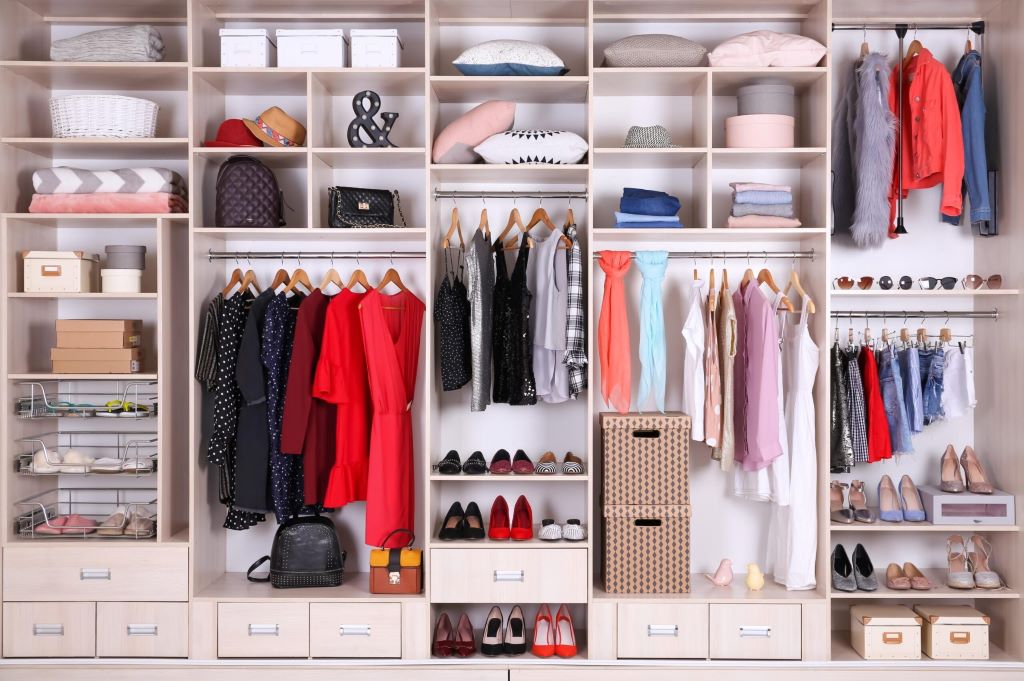
High humidity in closets can turn your wardrobe into a damp, musty mess. Clothes may develop mold, mildew, or unpleasant odors, ruining your favorite outfits. Fortunately, affordable solutions exist to tackle this issue. At Home Decorations Tips, we understand the importance of keeping your wardrobe fresh and protected. This article explores practical, budget-friendly methods to combat dampness and maintain a dry, organized closet.
Understanding the Problem of Humidity in Closets
Humidity occurs when moisture in the air becomes trapped in enclosed spaces like closets. Poor ventilation, seasonal weather changes, or living in a humid climate can worsen the issue. Damp clothes in closets can lead to mildew growth, fabric damage, and even health concerns due to mold spores. Addressing this problem early prevents costly replacements and keeps your wardrobe in top condition.
For effective solutions to damp clothes in closet from high humidity, you need strategies that are both practical and affordable. By implementing simple changes, you can protect your clothes and maintain a fresh wardrobe space.
Why Humidity Affects Your Wardrobe
High humidity levels, often above 60%, create a breeding ground for mold and mildew. Closets, being small and often poorly ventilated, trap moisture easily. This can come from wet clothes, nearby bathrooms, or even external weather conditions. According to The Spruce, excess moisture in homes is a common issue, especially in basements or areas with high rainfall. Understanding these causes helps you choose the right solutions to keep your closet dry.
Low-Cost Solutions to Combat Dampness
Use Desiccants to Absorb Moisture
Desiccants are affordable, effective tools for reducing humidity. Common options include silica gel packets, activated charcoal, or baking soda. Place small containers of these materials on closet shelves or hang them in breathable bags. Silica gel packets, often found in shoeboxes or packaging, can be reused by drying them in an oven. This method is inexpensive and requires minimal effort.
Improve Air Circulation
Good airflow prevents moisture buildup. Ensure your closet isn’t overcrowded, as tightly packed clothes trap humidity. Leave space between hangers for air to circulate. Additionally, consider installing a small battery-operated fan or leaving the closet door slightly ajar when possible. These steps cost little but significantly reduce dampness.
Dehumidifiers on a Budget
Small, portable dehumidifiers are available for under $50 and work well in confined spaces. Alternatively, DIY dehumidifiers can be made using rock salt or cat litter in a breathable container. Place these in a corner of the closet to absorb excess moisture. Regularly replace or dry the materials to maintain effectiveness.
Store Clothes Properly
Avoid storing wet or damp clothes in your closet. Always ensure clothes are fully dry before hanging or folding them. If you live in a humid area, consider using airtight storage bags for seasonal items. These bags prevent moisture from seeping in, protecting your wardrobe without breaking the bank.
Natural Ventilation Solutions
Opening windows in your home can help reduce overall humidity levels. If your closet is near an exterior wall, crack a nearby window during dry weather to encourage airflow. For closets without windows, a small vented louvered door can improve circulation. These doors are affordable and easy to install, offering a long-term solution.

Preventing Mold and Mildew Growth
Mold thrives in damp, dark environments, making closets a prime target. To prevent growth, regularly inspect your closet for signs of mold, such as musty odors or dark spots. Wipe down surfaces with a vinegar-water solution, which is a cheap and natural antifungal agent. Additionally, avoid stacking items tightly, as this restricts airflow and traps moisture.
For more insights on mold prevention, Better Homes & Gardens recommends maintaining humidity levels below 50% in storage areas. Using a hygrometer, a low-cost device, can help you monitor closet humidity and take action when levels rise.
Organizing Your Closet for Dryness
A cluttered closet traps moisture and makes it harder to spot dampness issues. Start by decluttering and removing items you no longer need. Use breathable storage solutions like cotton or canvas bins instead of plastic, which can trap moisture. Cedar blocks or lavender sachets not only repel moths but also absorb small amounts of moisture while adding a pleasant scent.
Maintaining Your Closet Long-Term
Consistency is key to keeping your wardrobe dry. Check desiccants or dehumidifiers monthly and replace them as needed. Clean your closet regularly to remove dust, which can hold moisture. If you live in a particularly humid region, consider running a dehumidifier in your home during wet seasons. These steps ensure your clothes stay fresh and damage-free.
FAQs About Humid Wardrobe Spaces
1. How can I tell if my closet has high humidity?
Look for musty odors, visible mold, or damp clothes. A hygrometer can measure humidity levels accurately.
2. Are silica gel packets safe for closets?
Yes, silica gel is non-toxic and safe for use around clothes. Ensure packets are intact to avoid spills.
3. Can I use a household dehumidifier for my closet?
Yes, but small, portable dehumidifiers are more practical for confined spaces like closets.
4. How often should I check my closet for dampness?
Inspect monthly, especially during humid seasons, to catch issues early and prevent mold growth.
5. What’s the cheapest way to reduce closet humidity?
Using desiccants like baking soda or silica gel is the most cost-effective solution, often costing less than $10.
Conclusion
Keeping your wardrobe free from dampness doesn’t require expensive solutions. By using desiccants, improving airflow, and organizing your closet, you can protect your clothes from high humidity. Regular maintenance and simple tools like silica gel or small dehumidifiers make a big difference. Implementing these low-cost strategies ensures your wardrobe stays fresh, dry, and odor-free, saving you money and preserving your favorite outfits.
Read More:
Amaranth color: 10 interesting ideas for the living room