
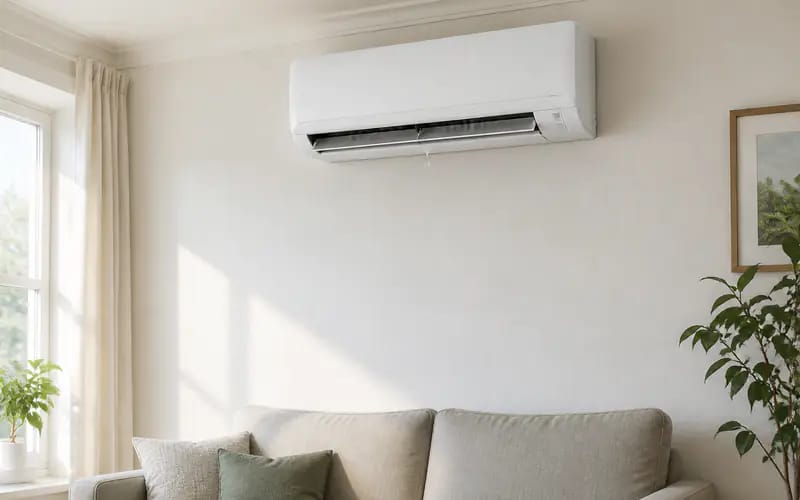
The water leak from your air conditioning system can look like a serious problem but is a common service problem. The reason for the leak is usually very obvious to an engineer, but can take some finding. This article aims to explain why air conditioning systems leak and what checks you can perform before phoning for assistance.
How the drain system works
Air conditioning systems draw in warm, moist air which is then cooled by a cold evaporator coil. As the air is cooled by the coil, the moisture in the air will condense to form water droplets on the surface of the coil. These droplets will then run off the coil and fall into a drip tray underneath the unit. Water then flows from the tray down a small drain pipe made from plastic which may exit the house through a waste pipe or directly out of the wall. As with any pipe, if it becomes blocked, cracks or is left to sit at the wrong angle then water may leak where you don’t want it.
A blocked drain pipe
Many systems have small drain pipes (typically around 13-19mm in diameter) which can be prone to blockages by algae, dust, grime and other substances. These can build up over time and prevent water from draining away. If the pipe is blocked then water will overflow from the collection tray and drip from the unit. Check the end of the outdoor section of the drain pipe for blockages, such as slime etc. or where it connects to a waste pipe for blockages. Clearing blockages can be as simple as using a wet-dry vacuum to remove grime etc. or flushing the pipe gently with water. Be careful not to kink the pipe or to have it situated in trunking that cannot be accessed.
A dirty air filter
However, a decrease in airflow from the vents can indicate a dirty air filter, before any signs of water leakage occur. Air filters collect dust and other contaminants before they can enter the evaporator coil. However, when the air filter becomes clogged with dust and other debris the airflow through the vents can decrease dramatically. As a result the coil can become too cold and start to produce ice rather than normal condensation. When the ice finally does melt it can produce a large amount of water which the normal drain system for the unit was not designed to handle. Check your filters for dust blockage and wash or change as required. It may take a few days for the airflow to return to normal.
Low refrigerant levels
The same icing and overflow problem as a blocked filter occurs when a leaking refrigerant leads to a coil running too cold for the airflow passing over it. It is not a job for DIY top-up of refrigerant as it is a tightly controlled substance under the F-Gas regulations for refrigerants. This means that handling of refrigerant is strictly controlled and those who can legally work with it are clearly defined under the F-Gas regulations for refrigerants.
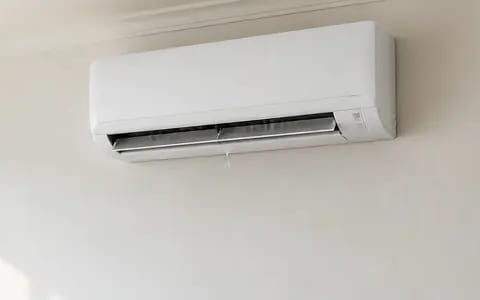
This problem can also be caused by low refrigerant in the air conditioning system. In most cases however, low refrigerant will have other symptoms and there will be a greater cause for concern than a simple leak of water. Again, this is something that would need to be checked by a qualified engineer, and Ace Comfort Cooling are experts in this area.
A cracked or full drip tray
This is a simple and inexpensive part that can be changed. Normally, these are made of plastic and will eventually crack or become misshapen over time, sometimes even without you noticing a crack. The collection tray must be able to drain the water away from the indoor unit’s evaporator coil, so if it is over flowing then you will find water dripping from the unit, even though there may appear to be enough capacity. The drain outlet at the base of the tray can sometimes become clogged with items of debris such as hair, so check the base of the collection tray to ensure that it is not blocked.
A failed condensate pump
Most systems are designed to rely on gravity to drain but in some instances where the pipe cannot run down to the outside drainage due to height restrictions or distance of the internal drain, a condensate pump is fitted. This pump, usually the size of a small shoe box contains a motor and float switch and will, over time, wear and eventually fail. A pump failing will cease to operate and you will find no noise coming from the unit where the pump is located. Sometimes there may be a burning smell emanating from it too. The part can be easily replaced by an engineer but it does mean taking the covers off your unit and it’s best to get someone in who works on air conditioning Gloucester and is used to opening up units safely. The engineers at Ace Comfort Cooling are all registered with bodies such as the registered gas and heating engineers’ official safety register and would be more than happy to come and swap the part for you.
A unit that isn’t level
Your indoor air conditioning unit must be installed as nearly level as possible. If it is not it will need to be tilted forward slightly so that water can flow down to the outlet of the drain. After a long time a unit which has been installed perfectly level can develop a slight lean due to vibration. Such a unit will start to leak as water will collect in the corner of the drip tray closest to the floor. The unit can be re-levelled and secured down to its brackets.
Heavy humidity or heatwaves
Condensate production increases when the air conditioning unit is drawing more moisture from the air to cool. The increased amount of water from high humidity or long periods of hot weather can sometimes overwhelm a drainage system that is already operating near capacity. If the system is producing increased amounts of condensate during very hot humid weather and the leak only appears during these periods then it is likely that a simple clean of the filter and the drainage pipe will solve the problem.
Most leaks are caused by the one or two things listed above and can be sorted out in minutes by checking if a pipe or filter has become blocked. If after checking the obvious you are still getting water leaks it’s worth getting someone to have a proper look before any damage is done to the indoor coil and/or the electrical parts.